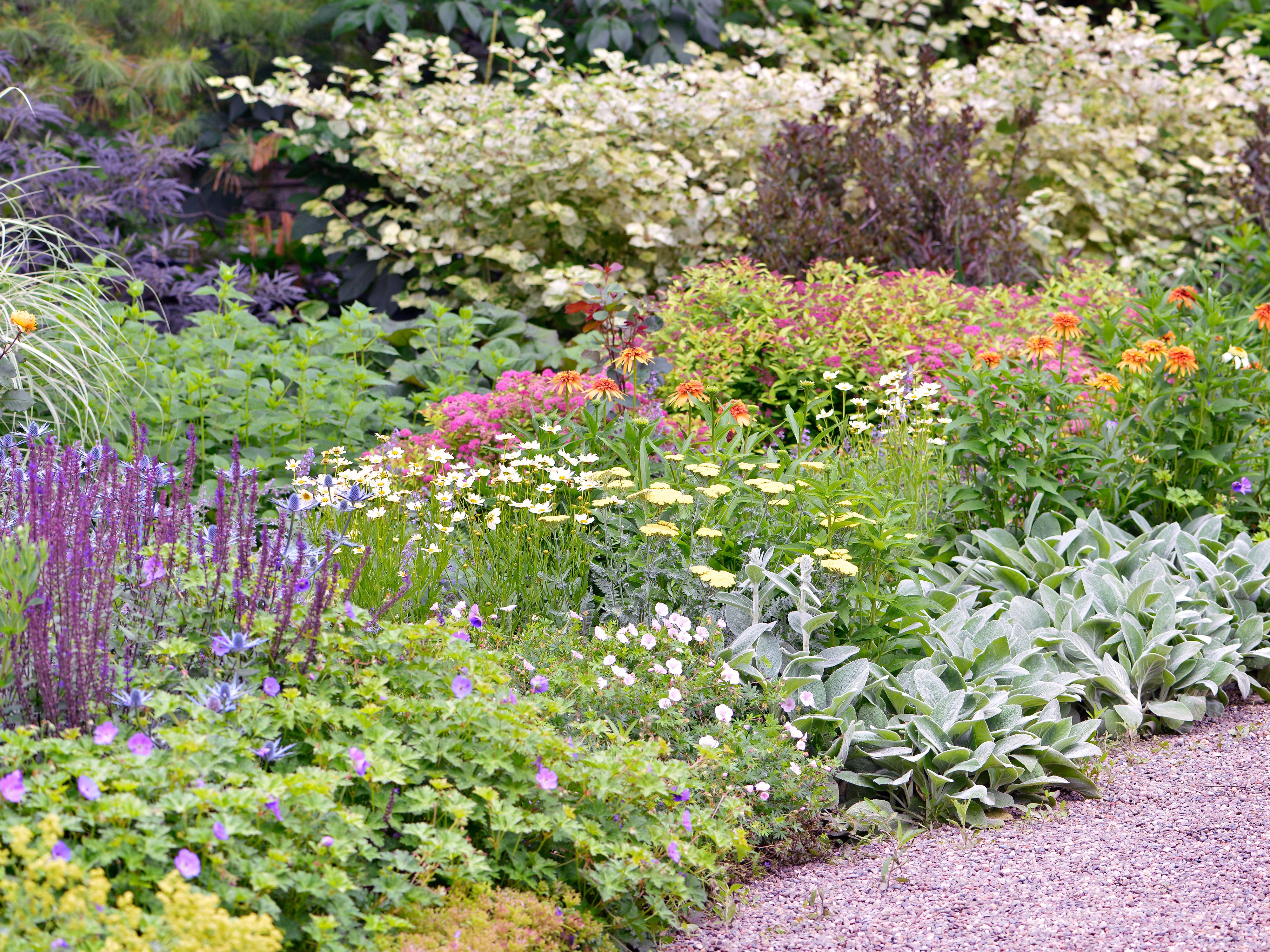

Yarrow is one of those perennials that feels like a little garden miracle in hot, dry summers. While other plants sulk, Achillea keeps sending up sturdy stems topped with flat, dinner-plate flower clusters that pollinators can land on like a runway. It is tough, generous, and nearly always in bloom when you need it most.
It is also, in the right conditions, a fast spreader. If you have ever planted one innocent little yarrow and then found it popping up a few feet away the next season, you are not imagining things. The good news is that yarrow is easy to manage once you understand how it moves and what it responds to.
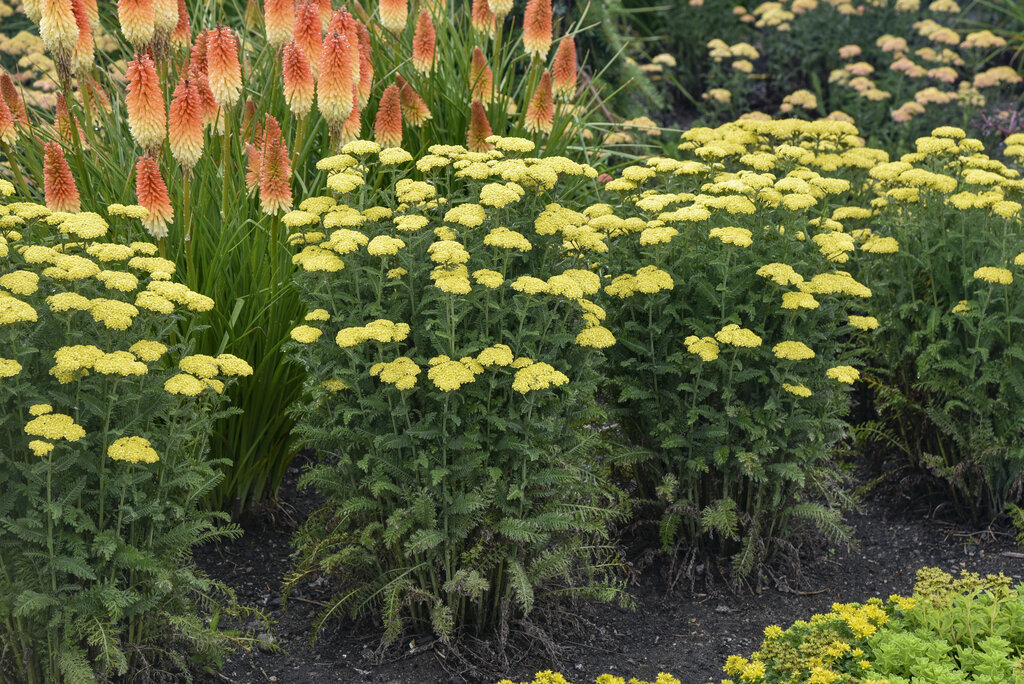
Yarrow at a glance
- Botanical name: Achillea (many common garden varieties are Achillea millefolium and its hybrids, along with A. filipendulina hybrids)
- Common name: Yarrow
- Plant type: Herbaceous perennial
- Bloom time: Late spring through summer, often reblooming into fall with deadheading
- Light: Full sun is best
- Water needs: Low once established
- Soil: Lean, well-drained soil. Avoid rich, heavily amended beds.
- Height and spread: Typically 18 to 36 inches tall, depending on cultivar, spreading by rhizomes and self-seeding
- Best use: Hot, sunny borders; pollinator gardens; meadow style planting; cutting gardens
- Watch-outs: Flopping in rich soil, spreading by roots and seedlings, occasional powdery mildew in humid, crowded spots
Why yarrow shines in hot, dry zones
Yarrow’s superpower is that it thrives on what many garden favorites hate: sun, heat, and less-than-perfect soil. In hot climates, I treat it like a “backbone” plant. It fills gaps, bridges bloom times, and keeps a border looking intentional even when the weather is relentless.
Here is what helps yarrow look its best in dry regions:
- Full sun: Six hours minimum, but eight is even better. More sun usually means sturdier stems and better flowering.
- Fast drainage: Soggy roots are where yarrow complains. If water lingers after irrigation, improve drainage before planting.
- Moderate fertility: Too much compost or high-nitrogen fertilizer can make it grow tall and floppy, and it can encourage faster spreading.
How to plant yarrow for sturdy growth
Pick the right spot
In hot zones, it is tempting to tuck everything into a slightly shadier area, but yarrow is happiest baking a bit. Choose a spot that gets strong sun and good airflow. Airflow is what keeps foliage cleaner and stems sturdier.
Soil prep that does not overdo it
If your soil is heavy clay, focus on structure and drainage, not richness. One important caution: adding sand to clay can backfire and make a cement-like mess unless it is very coarse and used correctly. I have the best luck with a modest improvement approach:
- Loosen the planting area 10 to 12 inches deep.
- Mix in drainage helpers like pumice, expanded shale, fine gravel, or other grit if drainage is poor.
- If you want to use sand, only use very coarse builder’s sand and only in small proportions. When in doubt, skip it.
- Add only a light layer of compost if your soil is truly depleted.
- If your site stays wet, consider planting on a slight mound or in a raised bed.
Spacing that prevents mildew and flopping
Give yarrow space. Crowded clumps are more likely to mildew and lean. A good rule is 18 to 24 inches between plants, depending on the variety.
Mulch choices for arid borders
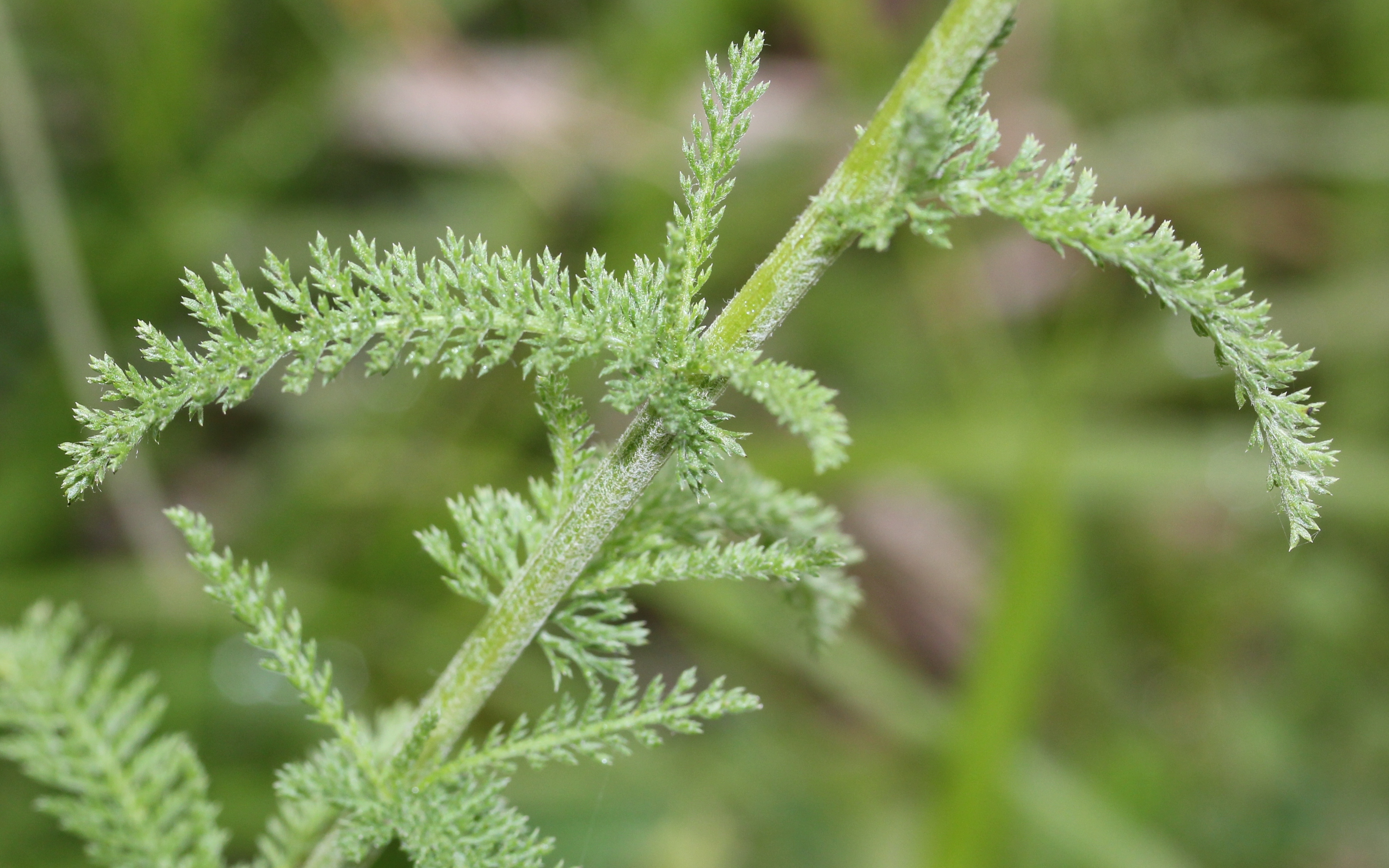
In hot, dry gardens, I love gravel mulch or a very thin layer of bark fines around yarrow. Thick, moisture-holding mulch can keep the crown damp, especially if you irrigate with drip. Whatever you use, keep mulch pulled back an inch or two from the crown.
Watering and feeding
Watering schedule for dry climates
For the first season, water deeply to help roots establish. After that, yarrow generally prefers a “soak and dry” routine rather than frequent sips.
- New plantings: Deep water 1 to 2 times per week (adjust for heat waves and soil type).
- Established plants: Deep water every 10 to 21 days in summer, depending on your rainfall and how fast your soil dries.
If your yarrow looks lush and floppy, or the foliage is overly soft, it is often getting too much water or too much fertility, sometimes both.
Fertilizer advice
Skip routine fertilizer. In most gardens, yarrow does not need it. If your plants are pale and struggling in truly poor soil, a light top-dress of compost in spring is plenty.
Pruning and deadheading
If you want yarrow to act like a long-season performer instead of a one-and-done bloomer, pruning is the secret. The best part is that it is forgiving. You do not have to be precious about it.
Deadhead after the first flush
Once the flower clusters start fading and browning, cut the stems back to a strong set of leaves. This usually encourages fresh growth and another round of blooms.
The midsummer cutback
In very hot regions, yarrow can look tired by midsummer. When mine starts to look scruffy, I do a more decisive cut:
- Shear the whole plant back by about one-third to one-half.
- Water once deeply afterward.
- Expect a neat mound of new foliage and, often, fresh flowering stems a few weeks later.
Leave some seedheads for winter texture
If you love a natural border look, leaving a few seedheads in late season can be beautiful, and birds may visit. Just know that allowing seed to mature can increase volunteer seedlings next spring.
How yarrow spreads
Yarrow spreads in two main ways:
- Rhizomes: Underground stems that allow the plant to creep outward and form new shoots.
- Self-seeding: If seedheads are left to mature, seedlings can pop up nearby, especially in open soil or gravel mulch.
In hot, dry borders with lean soil, the rhizome spread is usually the bigger story. In beds with bare soil and regular moisture, self-seeding can be just as noticeable.
One more nuance that matters: “yarrow” is a big umbrella. Some Achillea are native in parts of North America, while others are garden hybrids and introduced types. Even natives can naturalize readily in the right setting, so if you garden near wild areas, manage seedheads thoughtfully.
Containing the roots
I like yarrow best when it has clear boundaries. Here are practical ways to keep it in its lane.
1) Put it where wandering is fine
Yarrow is easier to manage on the outer edge of a bed, along a path, or in a more meadow-like border where you can edit plants freely.
2) Use a root barrier in tight beds
If you are placing yarrow near slower, precious perennials, consider a barrier at planting time. A buried edging strip can help discourage rhizomes from traveling.
3) Try a bottomless pot trick
This is my favorite trick for small gardens. Sink a large nursery pot or similar container with the bottom removed so roots can still access deeper moisture, but the sides help limit lateral spread. Keep the rim about an inch above soil level to reduce runners hopping over the top, and know that determined rhizomes can still occasionally find a way out.
4) Do an annual edge patrol
In spring, run a spade around the outside of the clump and lift any wandering pieces. Think of it as drawing a circle around the plant each year and keeping it that size.
Dividing yarrow
If yarrow is thriving, it will eventually form a dense center that blooms less and spreads more. Division fixes both problems. You get a refreshed clump and you remove the extra growth before it becomes a neighborhood takeover.
When to divide
- Best times: Early spring or early fall
- How often: Every 2 to 3 years is a good rhythm in hot, fast-growing gardens
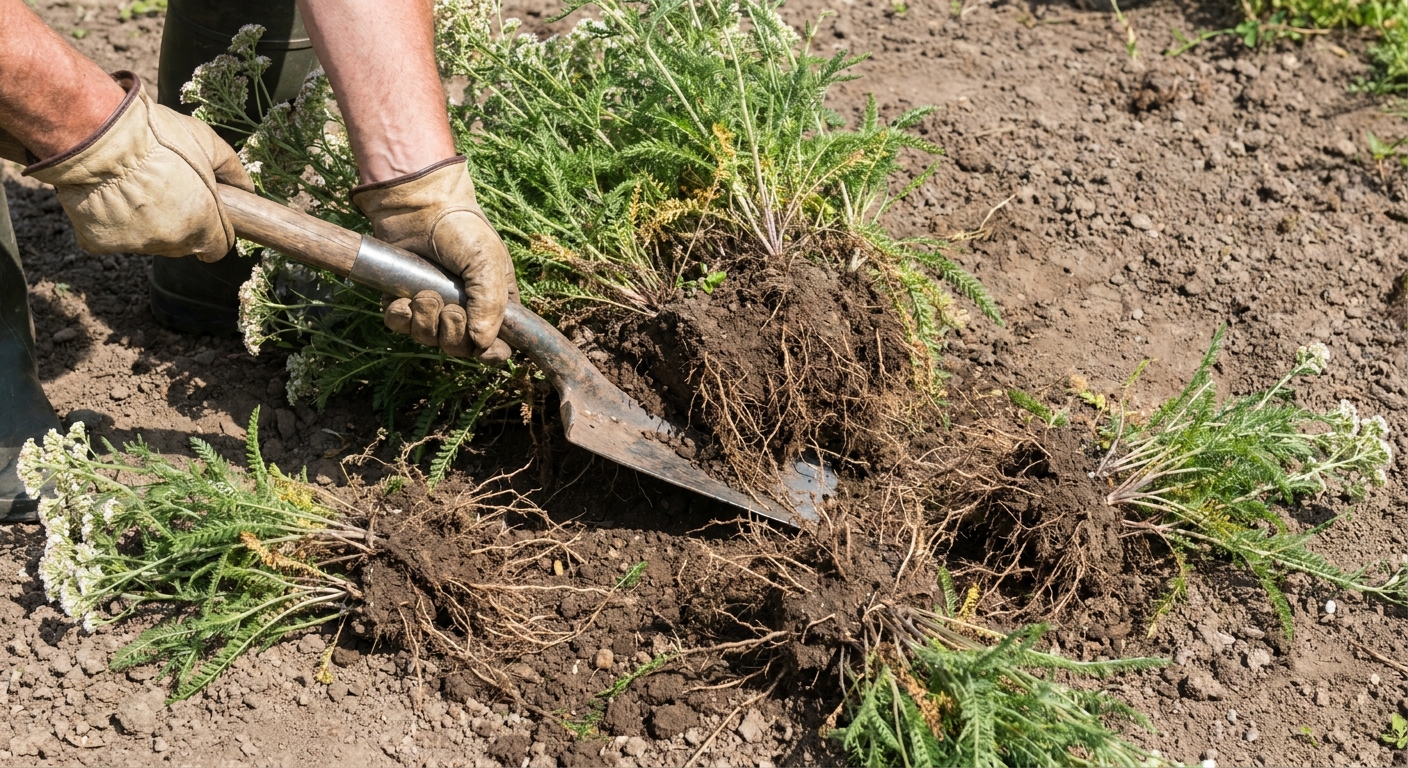
How to divide step by step
- Water the plant the day before if soil is very dry.
- Cut stems back to 6 to 8 inches to make handling easier.
- Use a spade to dig a wide circle around the clump and lift it out.
- Shake off loose soil and look for strong outer sections with healthy roots.
- Split with a sharp spade or garden knife. Discard the oldest, woody center if it is tired.
- Replant divisions at the same depth, water deeply once, then let the soil dry slightly between waterings while they re-root.
What to do with extra divisions
Yarrow divisions transplant easily. Share them, move them to a rougher spot where you need coverage, or pot them up for a friend. If you compost extras, avoid tossing flowering stems full of seed onto an open compost pile unless you are confident your compost heats thoroughly.
Companion planting
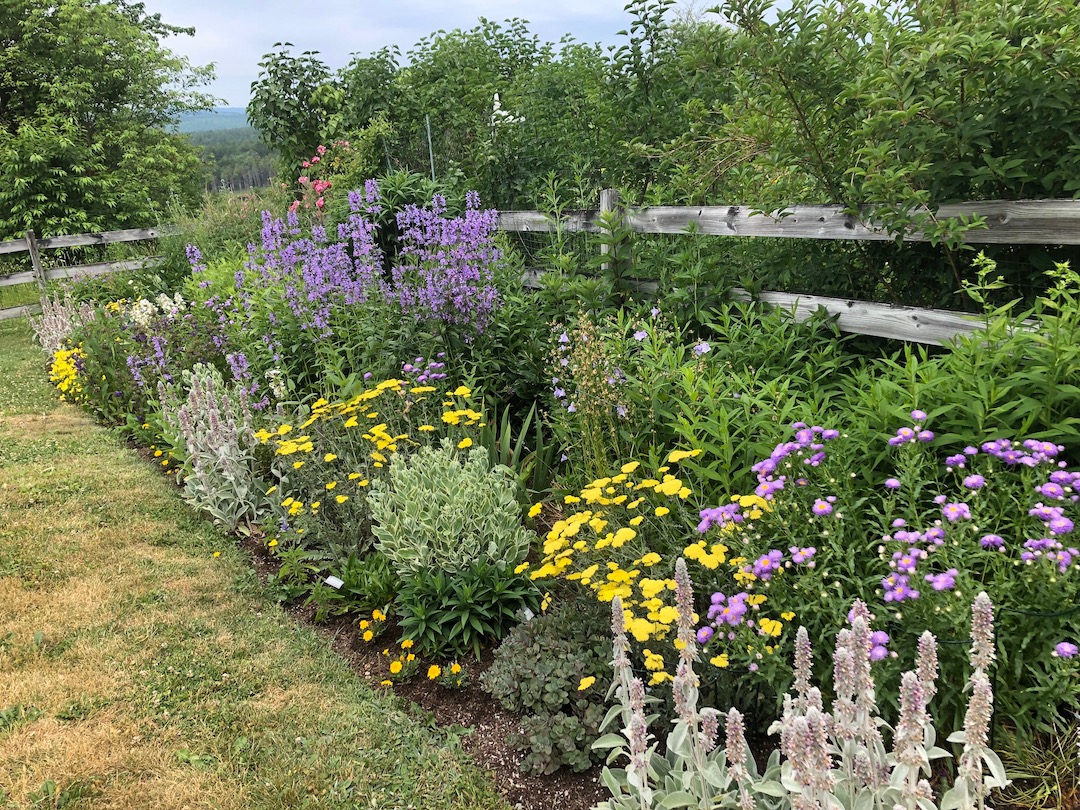
Yarrow plays nicely with other sun lovers, especially plants that can handle the same lean, dry conditions. When I am planning a border, I pair it with companions that do two jobs: balance the look and compete just enough to reduce yarrow’s urge to roam.
Great companions for hot, dry borders
- Salvia (perennial sage): Vertical spikes with similar drought tolerance. Great contrast with yarrow’s flat blooms.
- Lavender: A tidy mound that loves the same drainage. Helps create a clean edge.
- Catmint (Nepeta): Soft, billowy blue flowers that weave around yarrow without looking messy.
- Russian sage (Salvia yangii): Airy texture and long bloom, especially useful in big, sunny spaces.
- Gaillardia (blanket flower): Another heat lover that keeps color going through the toughest months.
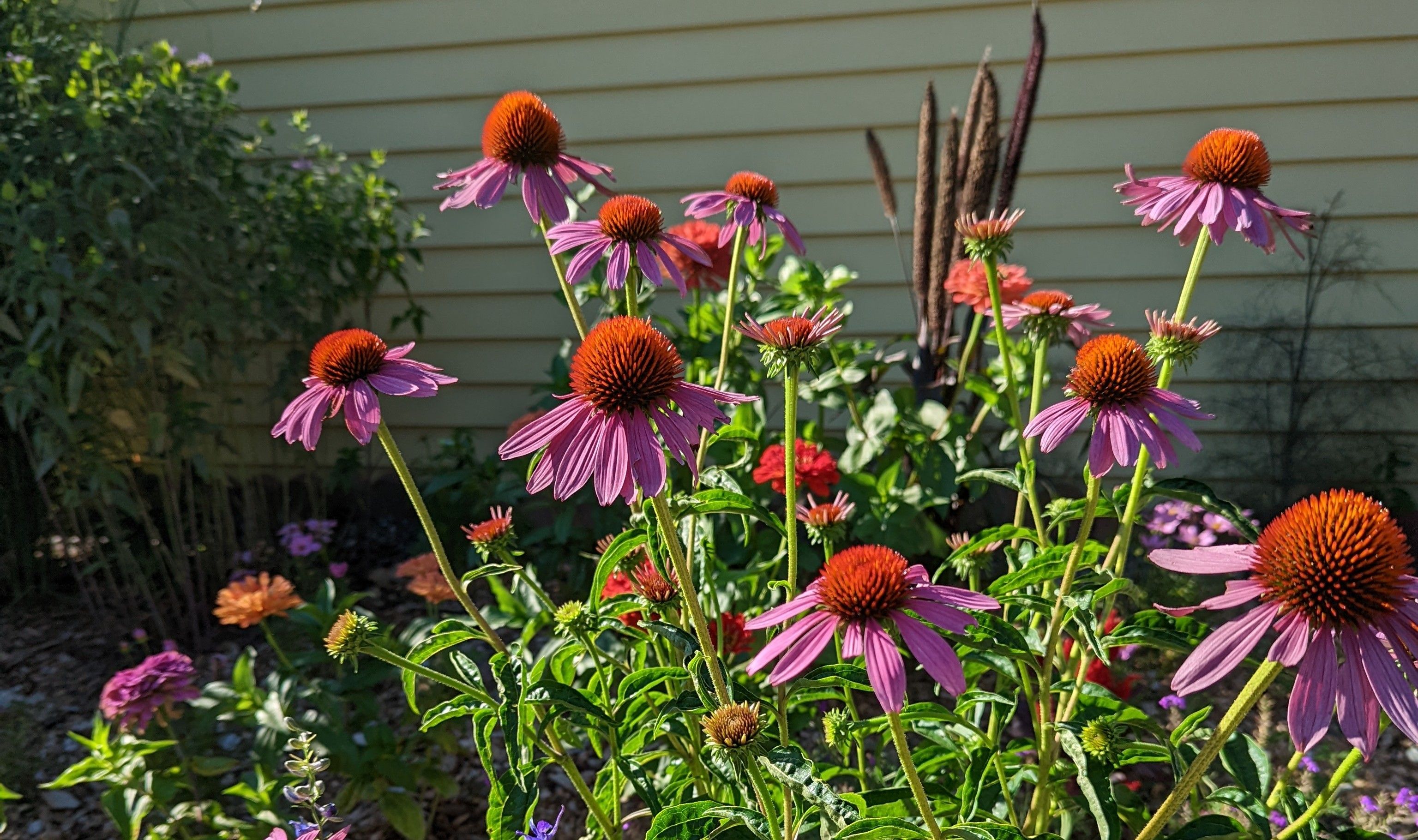
- Echinacea (coneflower): Similar bloom season and pollinator appeal, with a more upright, sturdy silhouette.
- Ornamental grasses: Blue fescue for edging, little bluestem for structure, or fountain grass where it is not invasive in your area.
Pairings I avoid
- Moisture lovers: Plants that need frequent watering can push yarrow into floppy, fast growth.
- Slow, small treasures: Tiny alpines or delicate perennials can get crowded out if yarrow is not watched closely.
Common problems and fixes
Flopping stems
- Cause: Too much shade, rich soil, or frequent watering
- Fix: Move to more sun, reduce fertility, switch to deeper and less frequent watering, and do a one-third cutback after the first flush
Powdery mildew
- Cause: Crowding and still, humid air
- Fix: Space plants, divide every few years, thin surrounding growth for airflow, and prioritize sun. Avoid late-day overhead watering that keeps foliage damp overnight.
Too many seedlings
- Cause: Letting seedheads mature
- Fix: Deadhead earlier, or do a quick garden “weed walk” in spring when seedlings are tiny and easy to pull
Browned foliage at the base
- Cause: Heat stress, drought, or a tired clump
- Fix: Shear back by one-third, water deeply once, and plan to divide in spring or fall
Favorite yarrow types
There are many yarrows on the market, and most are hardy workhorses. When you are shopping, look for plants described as sturdy or compact if flopping has been an issue in your garden. Also check the tag for mature height. Achillea ranges from tidy, low mounds to tall, bold varieties.
- Yellow yarrows: Bright and sunny, especially good for lifting a border in midseason.
- Peach, apricot, and soft orange mixes: Gorgeous with grasses and purple salvias, but some fade in intense afternoon sun.
- Classic white yarrow: A naturalistic favorite that blends into cottage and meadow plantings.
If your goal is maximum control, choose a clump that stays compact and commit to deadheading before seed sets.
Quick care checklist
- Sun: Full sun
- Soil: Well-drained, not overly rich
- Water: Deep, infrequent watering once established
- Prune: Deadhead for rebloom; shear by one-third to refresh
- Divide: Every 2 to 3 years to prevent takeover and renew blooms
- Contain: Spade edge patrol, sunk pot, or barrier in tight beds
FAQ
Is yarrow invasive?
In many home gardens, yarrow is simply vigorous, not truly invasive. That said, it can spread quickly by rhizomes and seed, especially in open, sunny beds. If you garden near natural areas, check local guidance and be extra careful about letting it set seed. Native status also varies by region, so what behaves politely in one place can naturalize readily in another.
Will yarrow survive extreme heat?
Once established, yarrow handles heat impressively well as long as the soil drains and it is not kept constantly wet. In prolonged heat waves, one deep soak can help it keep blooming instead of browning, especially in fast-draining soil.
Should I cut yarrow to the ground in fall?
You can. In windy areas, I often cut it back in late fall so it does not topple and smother neighbors. If you like winter texture, leave some stems and do a cleanup in early spring.
Why did my yarrow stop blooming in the middle?
That is usually a sign of an older, crowded clump. Divide it and replant the vigorous outer sections. You will be amazed how quickly it rebounds.
Is yarrow safe around kids and pets?
For most gardeners, it is an easy, low-drama plant, but it is worth a small caution: yarrow sap can irritate sensitive skin, and it is considered mildly toxic if pets chew a lot of it. If you have a pet that samples plants, place yarrow where it is less tempting.