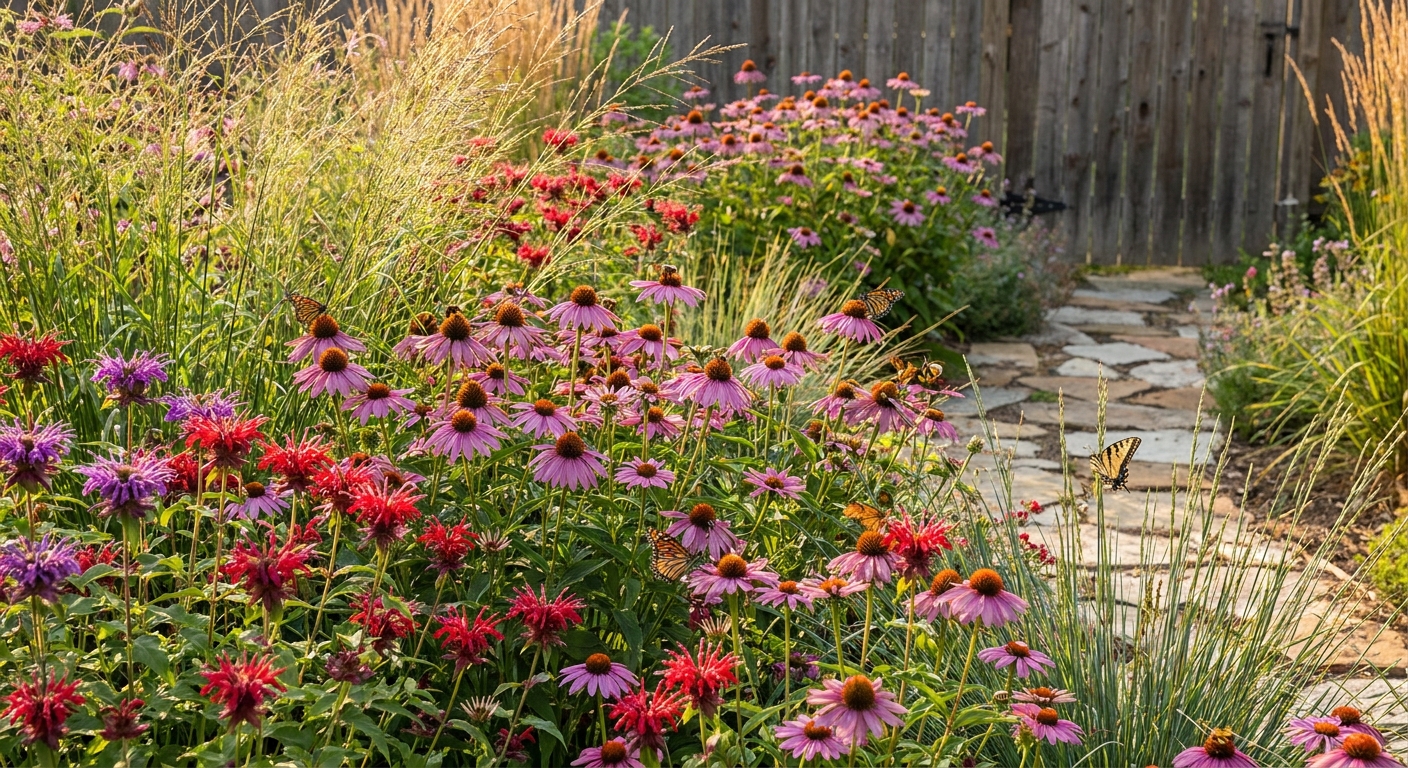

Bee balm is one of those perennials I keep coming back to, even after a few humbling seasons of white, dusty leaves. When Monarda is happy, it is a whole little ecosystem: bumblebees waddling from bloom to bloom, butterflies drifting in, and hummingbirds doing their tiny midair U-turns like they own the place.
The trick is growing it in a way that makes powdery mildew a minor annoyance instead of the main event. Let’s talk variety choice, spacing, and a few simple habits that keep your bee balm looking fresh while still feeding every pollinator in the neighborhood.
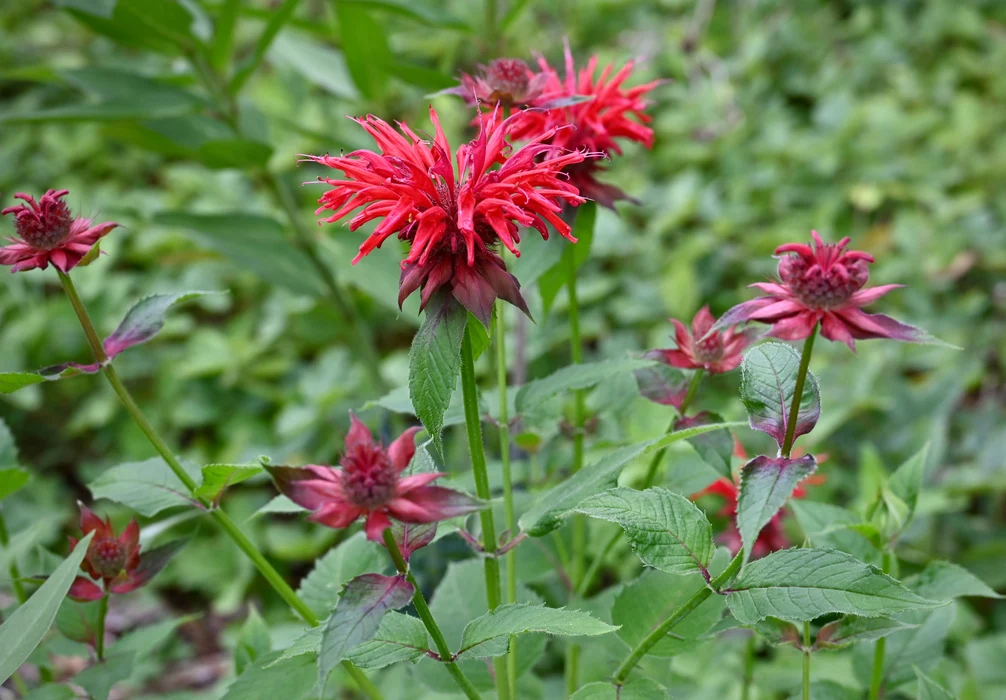
Meet bee balm
Botanical name: Monarda (most commonly Monarda didyma, Monarda fistulosa, and hybrids)
Common names: Bee balm, bergamot, Oswego tea
Plant type: Herbaceous perennial in the mint family (Lamiaceae)
Bloom time: Usually mid to late summer, with some varieties starting earlier
Typical size: 2 to 4 feet tall, 18 to 30 inches wide (depending on variety and conditions)
Light: Full sun is best for mildew prevention, though some afternoon shade can help in very hot climates
Soil: Moist but well-drained, average fertility
Best feature: It blooms when the garden is humming, and pollinators show up fast.
If you have ever brushed past bee balm and caught that spicy-minty scent, you already understand why people fall for it. The downside is that Monarda can be prone to powdery mildew, especially in humid summers or crowded beds.
Powdery mildew basics
Powdery mildew looks like someone dusted your bee balm leaves with flour. It tends to show up when days are warm, nights are cooler, and airflow is poor. Unlike many leaf diseases, powdery mildew does not need soaking wet leaves to get started. It often thrives when the air is humid and foliage stays shaded and still.
Will mildew kill bee balm?
Most of the time, no. Bee balm often keeps blooming even with mildewed leaves. But heavy infections can weaken the plant, make it look tired, and reduce vigor over time. The goal is to prevent it early, not fight it late.
Why bee balm gets it so easily
- Dense growth: Many varieties form thick clumps where the center stays humid and shaded.
- Shade or too little sun: Foliage stays cooler, dew lingers, and the canopy does not dry out as quickly.
- Overhead watering: It does not cause powdery mildew, but it can worsen overall leaf health and keep a crowded canopy humid.
- High nitrogen fertilizing: Pushes soft, lush growth that is more susceptible.
Start with resistant varieties
If I could go back and replant my first Monarda bed, I would start here. Variety selection is the single easiest way to cut mildew problems down to size.
In general, many modern hybrids were bred for improved resistance. No bee balm is completely immune in every garden, but resistant cultivars usually stay presentable far longer, even in muggy weather.
Quick reality check: If you garden in a humid region, mildew pressure is simply higher. In drier climates you may rarely see it, and you can sometimes get away with slightly tighter spacing. If your summers feel like soup, give Monarda extra elbow room.
Good cultivar picks to try
- ‘Jacob Cline’: Tall, clear red, a classic hummingbird favorite, and generally stays cleaner than older reds.
- ‘Claire Grace’: Lavender blooms with a more upright, open habit that tends to handle mildew well.
- ‘Raspberry Wine’: Deep magenta-red blooms, widely grown, often sold for strong garden performance.
- ‘Marshall’s Delight’: Pink-lavender tones and frequently recommended for improved resistance.
- ‘Pardon My Purple’ (compact): A shorter option that can be great up front as long as you still leave breathing room.
Cultivar performance depends on your microclimate, so treat these as strong starting points, not a guarantee.
Monarda types and what to expect
- Monarda didyma and hybrids: Often the showiest reds and pinks. Many newer selections have good resistance, but older strains can mildew quickly in humid conditions.
- Monarda fistulosa (wild bergamot): Typically lavender-pink blooms, very pollinator friendly, and often more adaptable. It can still mildew if crowded, but its looser habit can help.
- Dwarf or compact hybrids: Great for the front of beds and containers. Some have excellent resistance, but compact plants still need airflow.
What to look for when shopping
- Tags that mention “mildew resistant” or “improved disease resistance.”
- Sturdy stems and open habit rather than a tight, mounded thicket.
- Reputable sources that list cultivar names, not just “bee balm mix.”
If you are buying from a local nursery, peek under the leaves. Healthy, clean foliage on the sales bench is not a guarantee, but it is a good sign that the grower is selecting and maintaining better stock.
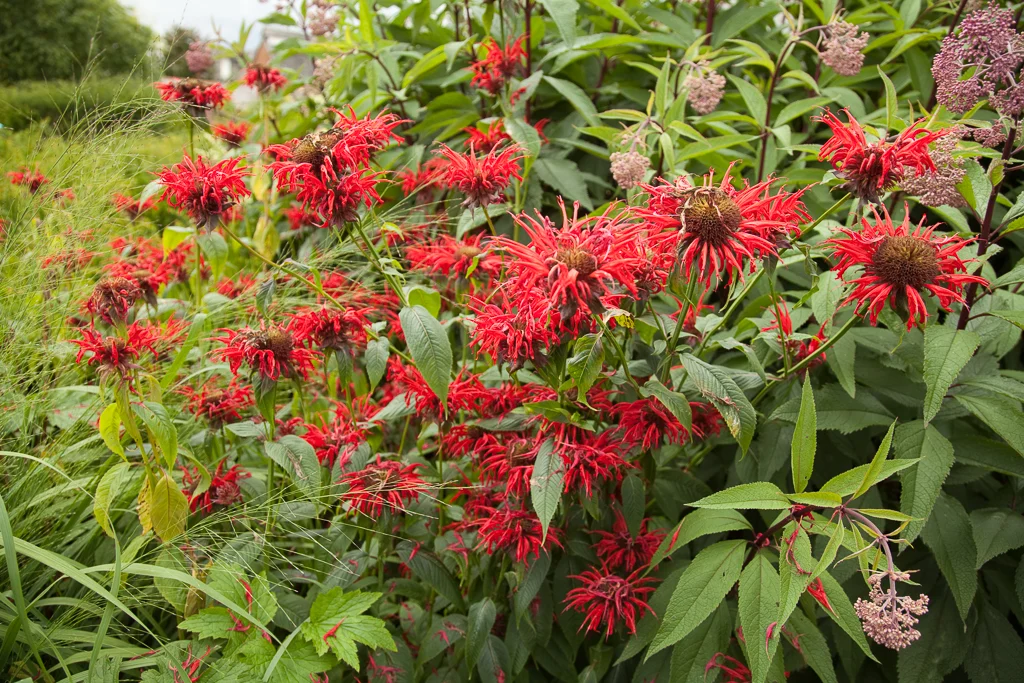
Spacing and airflow
Bee balm wants to be a generous clumper. Your job is to let it fill in without turning into a solid mass of foliage that traps humidity.
Spacing guidelines
- Most bee balms: Space plants 18 to 24 inches apart.
- Tall, vigorous varieties: 24 to 30 inches is often better, especially in humid climates.
- Compact varieties: 12 to 18 inches, but resist the urge to cram them in “because they’re small.” They still need breathing room.
Placement tricks that help
- Choose a breezy spot: Even gentle air movement makes a big difference.
- Avoid tight corners: Planting between a fence and dense shrubs can create a stagnant pocket.
- Give it sun: Aim for 6+ hours if mildew is a recurring issue in your yard.
One habit I swear by: plant bee balm where you can walk around it. If you can easily step in to thin stems, deadhead, and check leaves, you will actually do it.
Water and feeding
Water at the base
Drip lines, soaker hoses, or a slow watering can at soil level keeps foliage out of the splash zone and helps the canopy stay less humid. Bee balm likes consistent moisture, especially while establishing and during hot spells, but it does not like soggy roots.
Mulch smart
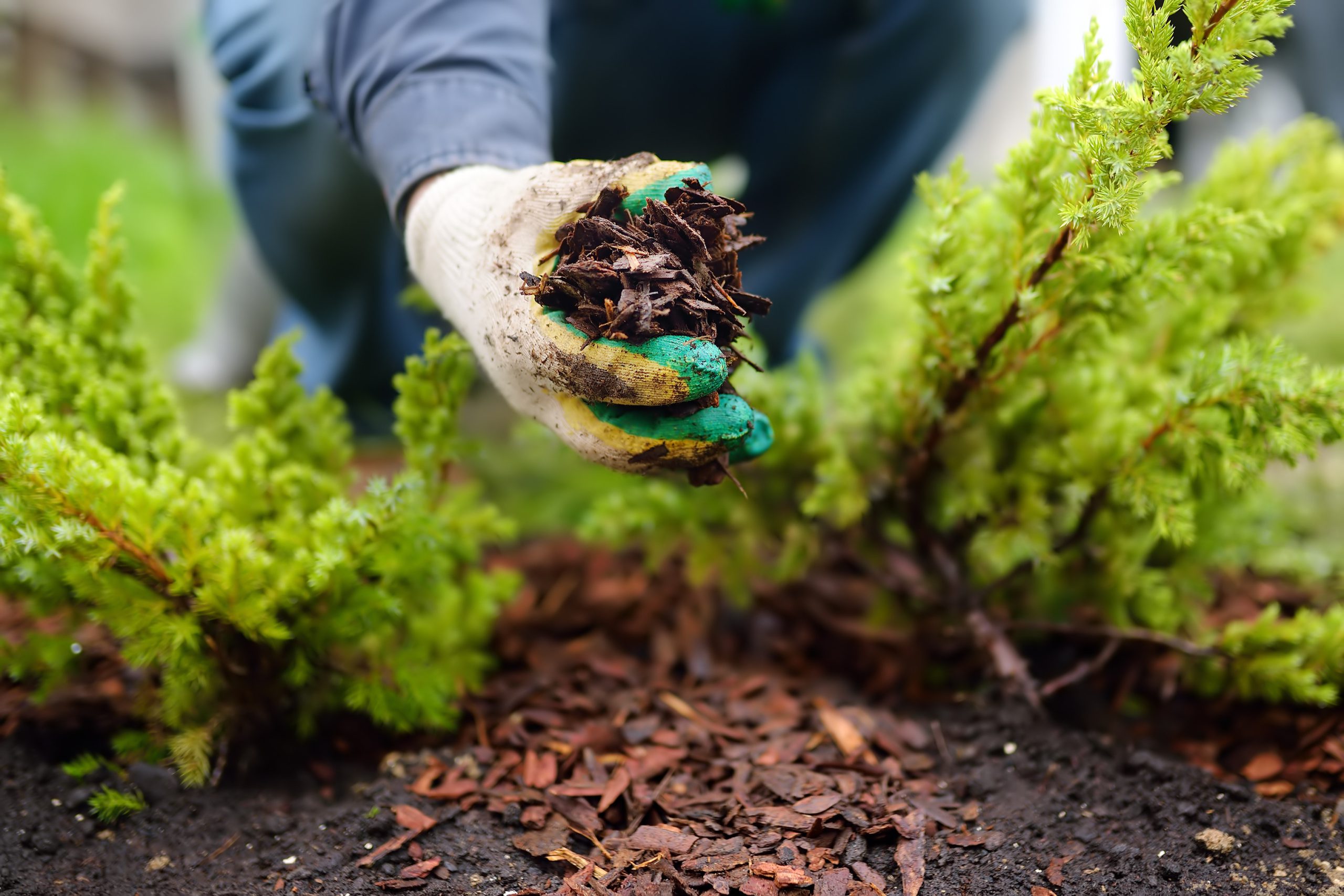
A 2 to 3 inch layer of shredded leaves, compost, or fine bark helps keep soil moisture steady. Keep mulch pulled back slightly from the crown to discourage rot.
Go easy on nitrogen
If your bee balm is getting a lot of lawn fertilizer runoff, or if you are feeding heavily, you may see extra-soft growth that mildews faster. I prefer topdressing with compost in spring and calling it done unless the soil is truly poor.
In-season prevention
Thin the clump in late spring
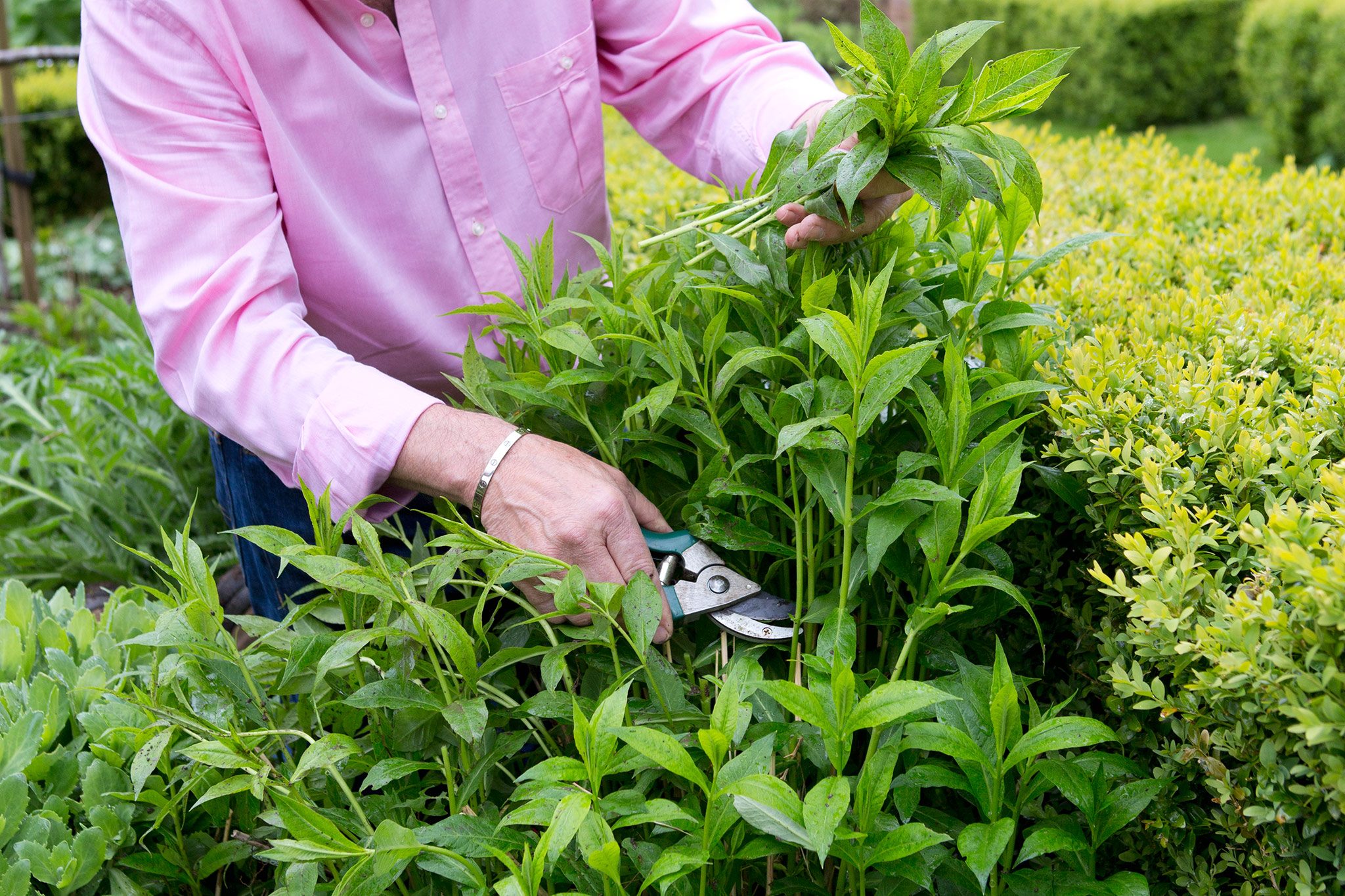
When stems reach about 8 to 12 inches tall, take a look at the center. If it is packed, remove a few stems at the base to open it up. You are not hurting the plant. You are helping it breathe.
Deadhead and tidy
Removing spent flower heads encourages a neater plant and can extend bloom. It also keeps you checking foliage regularly, which means you catch problems early.
Remove the worst leaves
If you see a few leaves with heavy mildew, pinch them off and toss them in the trash, not the compost. This will not erase mildew from the garden, but it can slow the spread and improve the look instantly.
Support it if it flops
Flopping creates a shaded, crowded tangle. A simple grow-through support or a few discreet stakes keeps stems upright and less cramped.
If mildew shows up
Sometimes it still happens, especially in very humid summers. If you have already planted a resistant variety and you are spacing well, a little mildew is mostly cosmetic.
First steps
- Increase airflow: Remove a few crowded stems and trim surrounding plants that are pressing into the Monarda.
- Water consistently: Drought stress can make plants more susceptible.
- Remove heavily affected leaves: Improve appearance and reduce spore load.
Sprays: keep it practical
There are organic and conventional fungicides labeled for powdery mildew, but I treat sprays as a last resort. If you do use one, start early, follow label directions exactly, and spray at times when pollinators are least active.
- Common lower-tox options you may see labeled for powdery mildew include horticultural oils, potassium bicarbonate, and sulfur.
- Two cautions: Oils and sulfur can cause leaf burn in heat, and not every product is appropriate for every plant or situation. The label is the law.
When to cut it back
If the plant looks truly miserable, you can shear it back after the first flush of bloom to encourage fresh growth. Water well afterward. Depending on your season length, you may get a lighter second bloom.
Cleanup matters
Powdery mildew can overwinter on plant debris and nearby host plants, and spores also blow in from who knows where. Sanitation will not make mildew impossible, but it can lower the pressure and helps plants start the season cleaner.
In fall
- After frost, cut stems down to a few inches above the soil line.
- Remove and discard mildewed foliage and stems.
- Refresh mulch once the ground starts cooling.
In spring
- Clear old debris around the crown so new shoots come up into clean air and light.
- Topdress with compost rather than pushing high-nitrogen growth.
Bring in hummingbirds
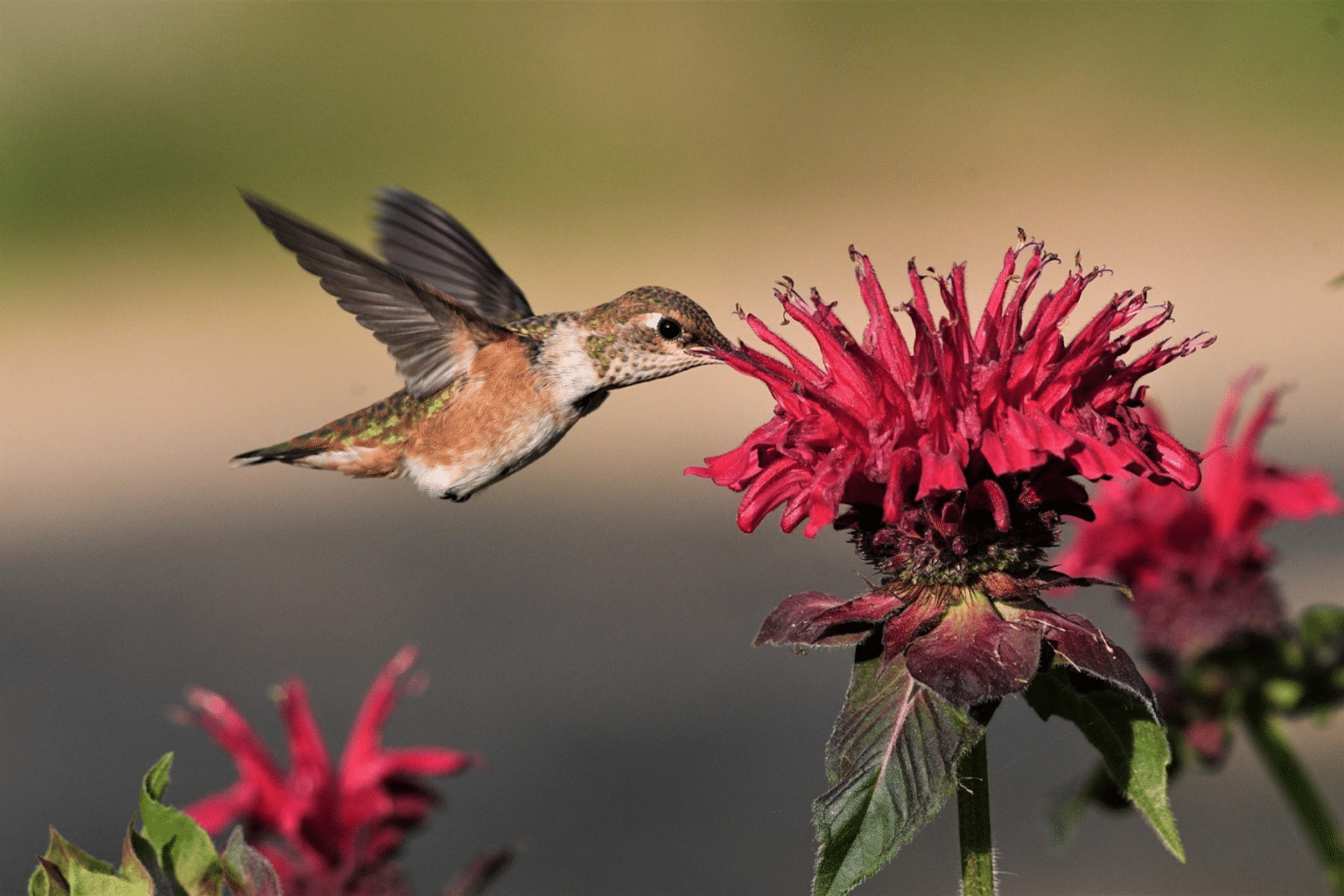
If you want hummingbirds, bee balm is one of the most reliable perennials you can plant. Those shaggy, nectar-rich blooms are basically a midsummer diner sign, and reds and hot pinks are especially visible to them.
Pick colors they notice
- Red and scarlet varieties: Often the fastest to draw hummingbirds.
- Hot pink and magenta: Also very effective, especially when planted in generous drifts.
- Single, open blooms: Easier access for both hummingbirds and bees.
Plant in landing zones
Hummingbirds like to work a patch efficiently. Instead of one lonely plant, aim for 3 to 5 plants together if you have room. Place them where birds have a nearby perch, like a small tree, shrub, or simple trellis.
Keep nectar coming
Bee balm shines in midsummer. To keep visitors around, pair it with earlier and later bloomers so your yard stays on their route.
Design and companions
Bee balm has a cottage-garden spirit, but it can look surprisingly tidy when you give it structure around the edges. I like to use plants with contrasting shapes so Monarda’s shaggy blooms feel intentional, not chaotic.
Great companions
- Catmint (Nepeta): Airy, long-blooming, and the soft mound helps support taller Monarda stems.
- Russian sage (Salvia yangii): Adds haze and movement, plus good airflow through its stems.
- Coneflower (Echinacea): Similar bloom season, strong upright form, and pollinators will bounce between them.
- Black-eyed Susan (Rudbeckia): Cheerful color contrast and sturdy structure.
- Ornamental grasses: Provide vertical lines and keep plantings from feeling stuffy.
- Bee balm with spring bulbs: Tulips and daffodils bloom before Monarda fills in, then disappear under summer foliage.
A quick mixed-border note
When you are tucking bee balm into a full bed, remember it will expand. Leave a little breathing ring around the clump so nearby plants do not swallow it by July.
Divide to reduce problems
Bee balm spreads by rhizomes and forms wider clumps over time. Dividing keeps it vigorous and helps prevent the crowded centers that mildew loves.
When to divide
- Early spring: My favorite time. Shoots are small, and the plant rebounds quickly.
- Early fall: Works in many climates if you have enough time for roots to settle before hard freezes.
How to divide
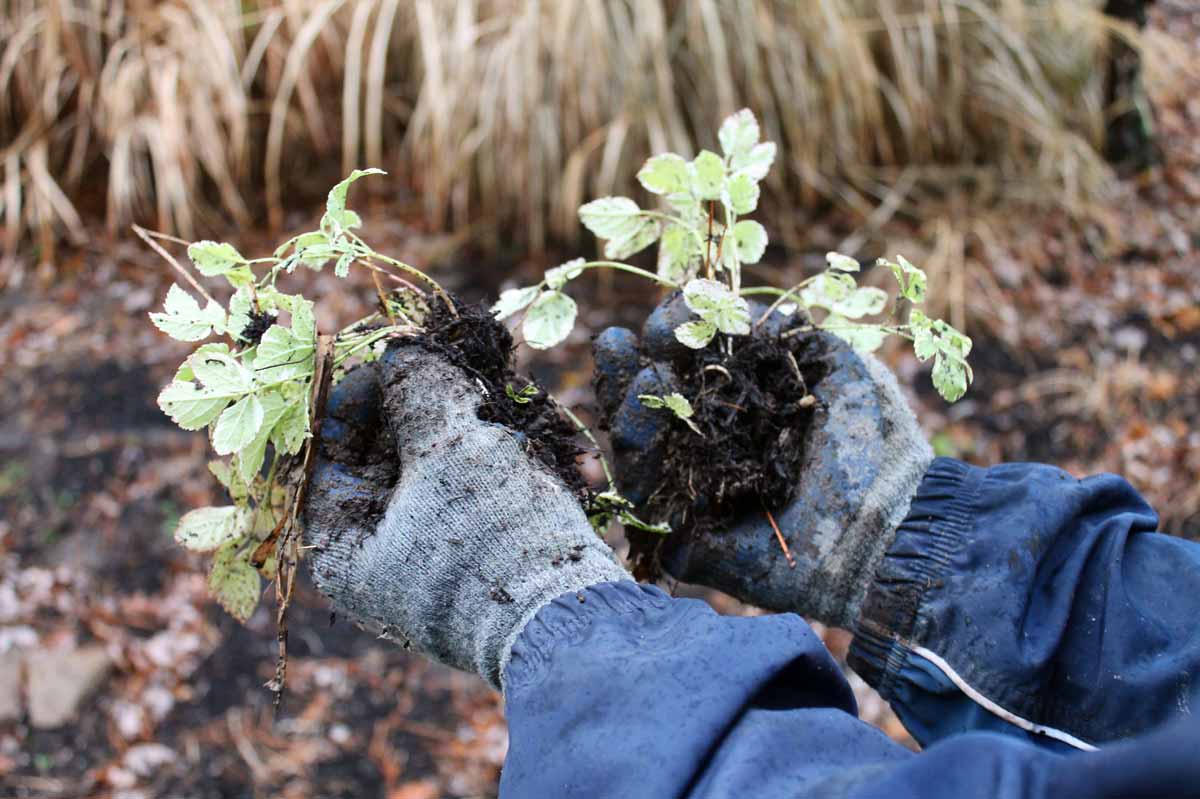
- Dig up the clump (or slice out a section if it is huge).
- Break or cut into smaller pieces, each with healthy roots and a few shoots.
- Replant at the right spacing and water deeply.
- Compost or discard the old woody center if it looks tired.
Troubleshooting
Lots of leaves, few flowers
- Too much shade, too much nitrogen, or overcrowding are the usual suspects.
- Divide the clump and move a portion to a sunnier spot if needed.
It flops over every year
- Try a grow-through support in late spring.
- Pinch back stems by a few inches when plants are 12 to 18 inches tall to encourage branching (this may delay bloom slightly).
Blooms fade fast in heat
- Water during dry spells and mulch to stabilize moisture.
- In very hot zones, a bit of afternoon shade can extend bloom, but keep the spot open.
Care at a glance
| Need | What works best |
|---|---|
| Sun | Full sun for best flowering and less mildew |
| Soil | Moist, well-drained, average fertility |
| Water | Deep watering at soil level, consistent moisture in heat |
| Spacing | 18 to 30 inches depending on variety and climate |
| Mildew prevention | Resistant cultivars, sun, spacing, thinning, cleanup |
| Dividing | Every 2 to 4 years, or when clumps get crowded |
My honest take
Bee balm has a reputation for mildew, but it is not a lost cause. When you give Monarda sun, space, and a resistant variety to start with, it becomes what it was meant to be: a carefree midsummer pollinator party that comes back stronger each year.
If you are planting your first bee balm, start with one good clump in a sunny, open spot. Watch how it behaves in your microclimate for a season, then expand. Gardening gets a lot less stressful when you let your yard teach you, one perennial at a time.