
If you have ever watched a perennial border go from “wow” to “womp” in the span of a hot week, you are not alone. Tall stems lean, flowers fade, and suddenly your early-summer stars look tired. Two simple pruning techniques can flip that script: the Chelsea chop and deadheading. They sound a little fussy, but they are truly just strategic snips that help many perennials bloom longer, stand straighter, and come back with a second act.
I learned this the same way I learned most garden lessons: the hard way, by ignoring a bed until it flopped into the path. Once I started trimming at the right moment, the whole garden got easier to manage and the bloom season got noticeably longer.
What the Chelsea chop does
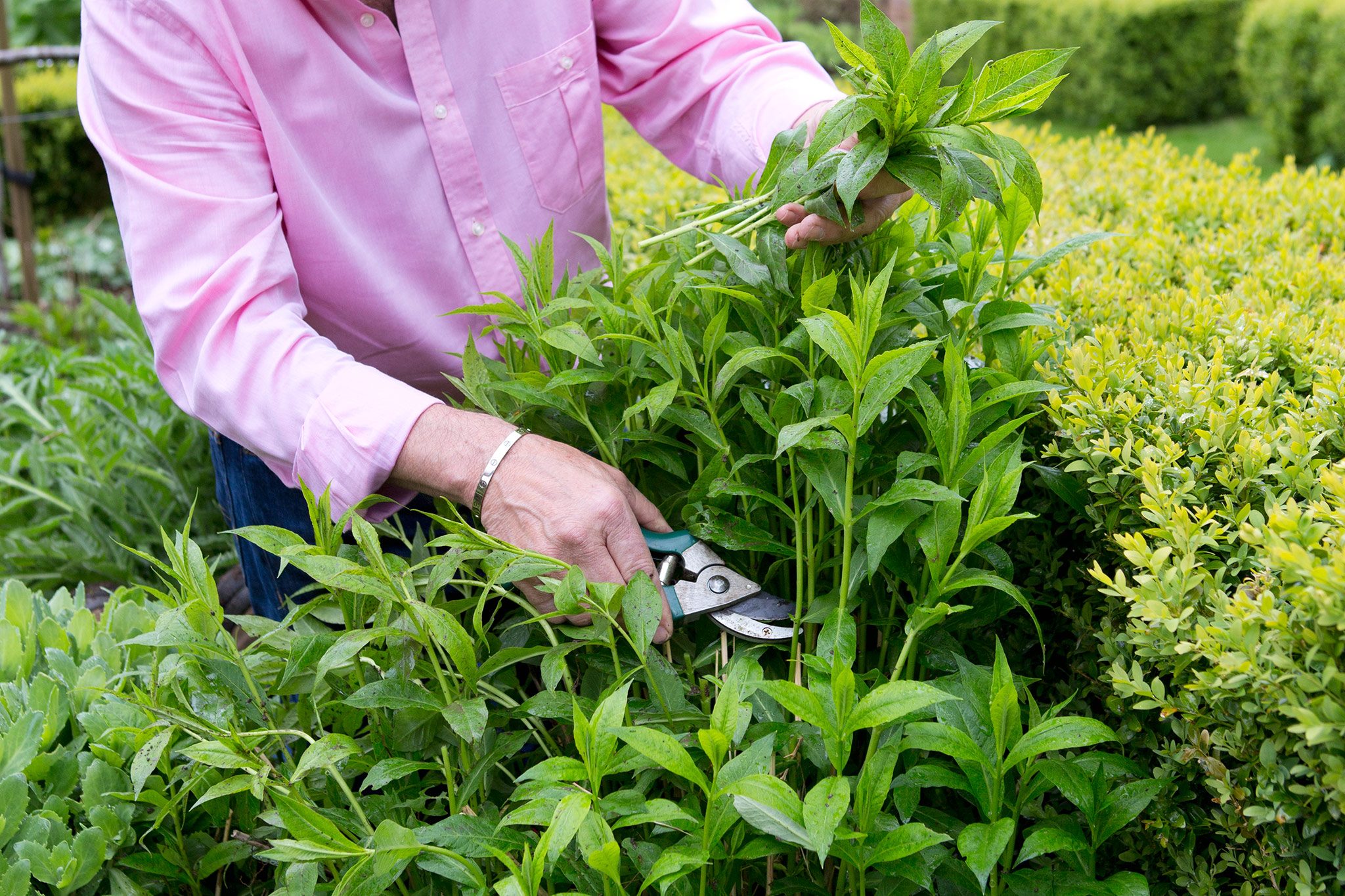
The Chelsea chop is a mid to late spring haircut for certain summer and fall blooming perennials. You cut stems back by a portion (often one-third to one-half), which does three helpful things:
- Controls height so plants stay more in scale with their neighbors.
- Reduces flopping by encouraging sturdier, more branched growth.
- Delays bloom slightly and often triggers more flowers over a longer window.
It is named for the timing around the Chelsea Flower Show in the UK, but you do not need a UK garden calendar to use it. The real cue is plant growth stage: stems are stretching, buds are not fully formed yet, and you still have time to encourage branching.
When to chop
In many temperate gardens, the Chelsea chop window lands somewhere between mid-May and mid-June, but it is not a universal date. Warm-zone gardens may hit the window earlier, and cold or short-season gardens may be later. Instead of fixating on a calendar, I look for these signs:
- Stems are about 8 to 18 inches tall on the plants you plan to chop (shorter for naturally compact varieties, taller for giants).
- The plant looks like it is starting to race upward rather than fill out.
- You see tiny bud clusters just beginning, or no obvious buds yet.
Too early and you may not get the branching benefit because there are fewer nodes to break and regrow into side stems. Too late and you can remove developing flower buds and push bloom so far back it collides with fall weather in short-season climates.
My rule of thumb: If you are looking at a plant and thinking “this is about to get tall fast,” that is usually the sweet spot.
One more guardrail: If a plant is stressed (newly planted, drought-stressed, or struggling), go lighter. In that case, the stagger method is safer than a hard chop.
How to do the Chelsea chop
You can be as tidy or as relaxed as you like. All three methods work, and the “right” one depends on whether you want a uniform bloom period or a longer, layered show.
Option 1: One-third chop
Cut the whole plant back by about one-third. This encourages branching while still keeping bloom time relatively close to normal.
- Best for: mild height control and fuller flowering.
- Later: a slightly shorter, bushier version of the plant.
Option 2: Half chop
Cut stems back by one-half. Blooms will be delayed more, but stems often stay sturdier.
- Best for: plants that flop every year or grow taller than you want.
- Later: noticeably shorter with more side branches.
Option 3: Staggered chop
This is my favorite for cottage-style borders. Cut back only about half the stems (or chop the front half of the clump and leave the back uncut).
- Best for: extending bloom time without losing the first flush.
- Later: uncut stems bloom earlier, chopped stems bloom later, giving you a natural two-wave display.
How to make the cut: Use clean, sharp pruners and snip just above a set of leaves or a leaf node. Do not worry about perfection. Plants are remarkably forgiving.
Best plants to chop
The Chelsea chop shines on perennials that naturally grow tall, bloom in summer or fall, and respond well to branching. Here are reliable candidates:
Great candidates
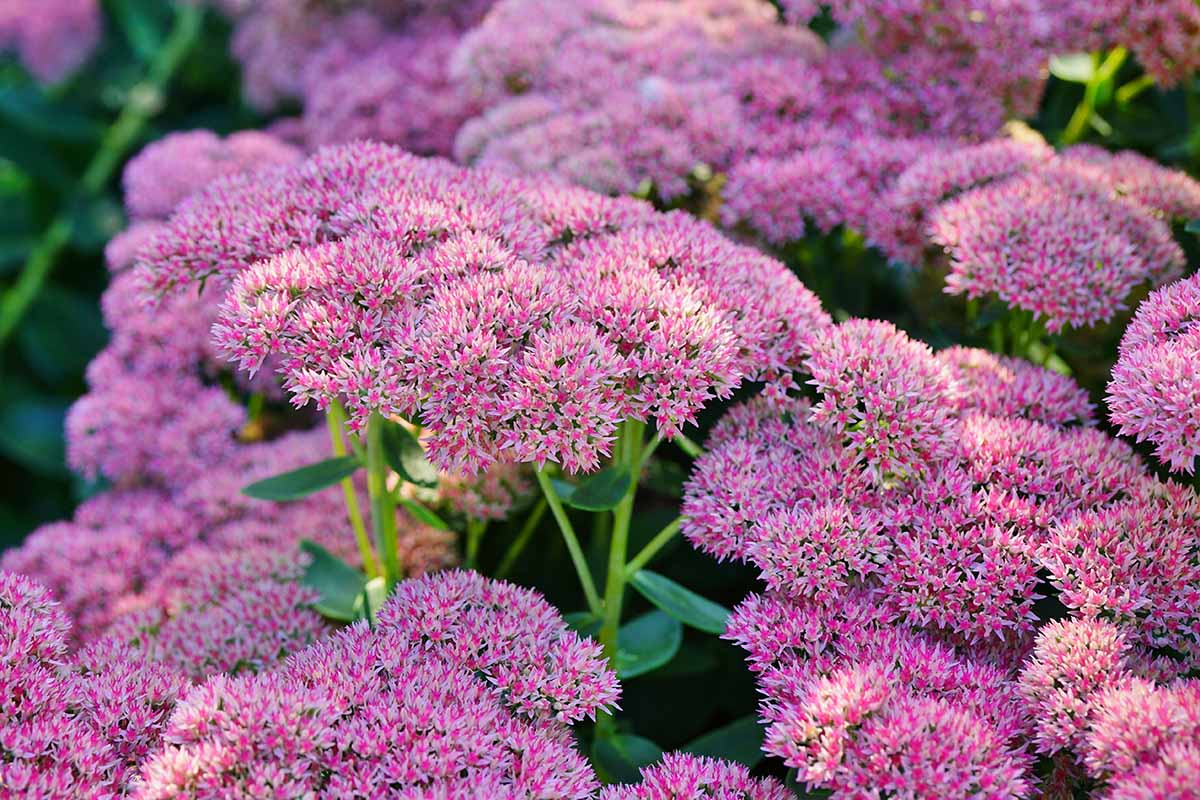
- Sedum (Hylotelephium) like ‘Autumn Joy’
- Garden phlox (Phlox paniculata)
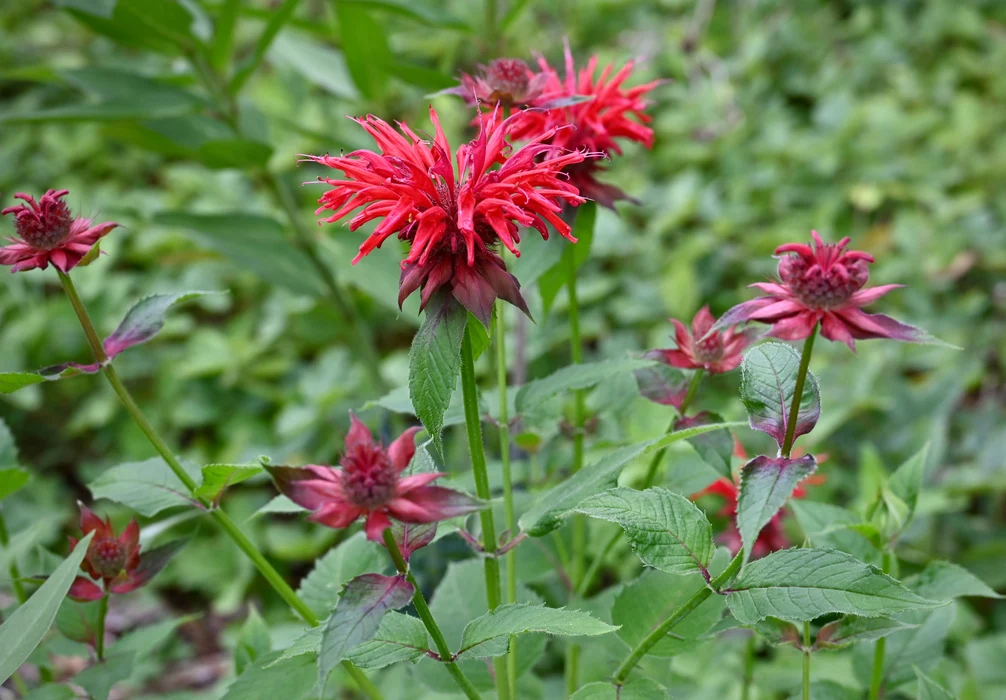
- Bee balm (Monarda)
- Hardy asters (Symphyotrichum)
- Goldenrod (Solidago)
- Heliopsis (false sunflower)
- Joe Pye weed (Eutrochium) (especially if it overwhelms your bed)
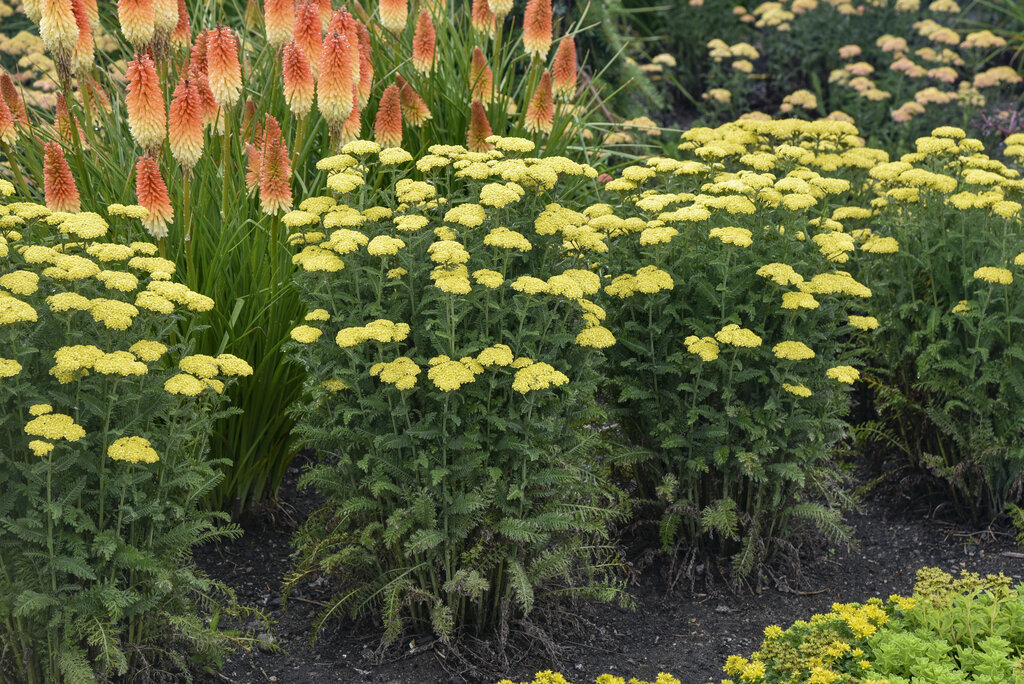
- Yarrow (Achillea) (light to moderate chop)
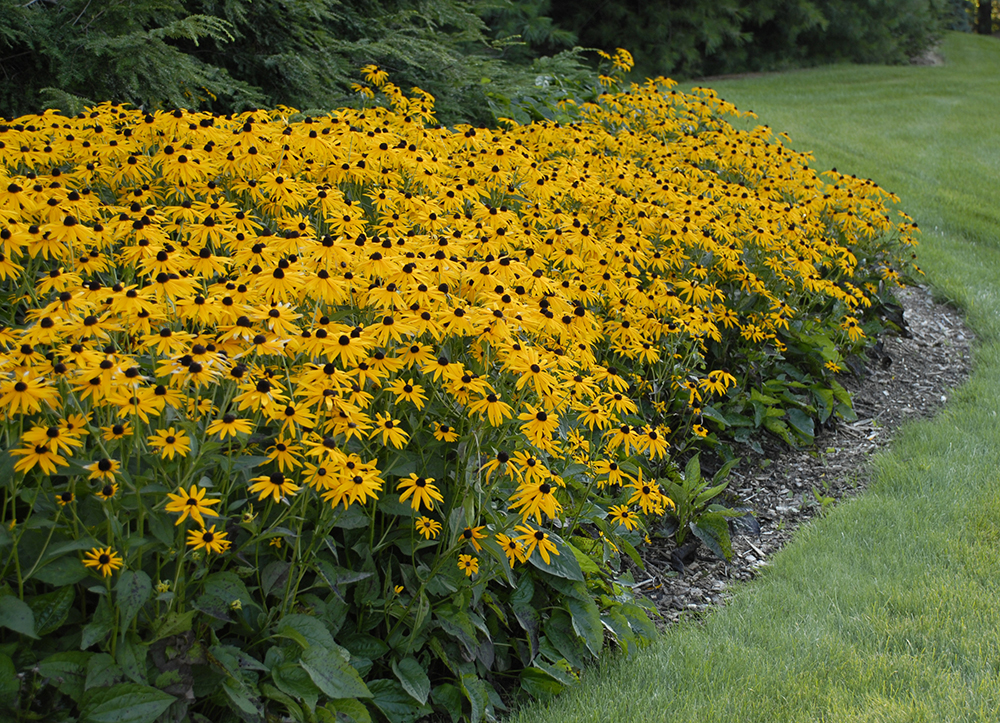
- Rudbeckia (best on clump-forming perennial types, such as R. fulgida, and less predictable on short-lived or annual kinds)
Use caution or skip it
Some plants either bloom on last year’s growth, resent being cut back, or have a bloom pattern that is easily disrupted.
- Spring bloomers (peonies, iris, columbine): the timing is wrong for a Chelsea chop.
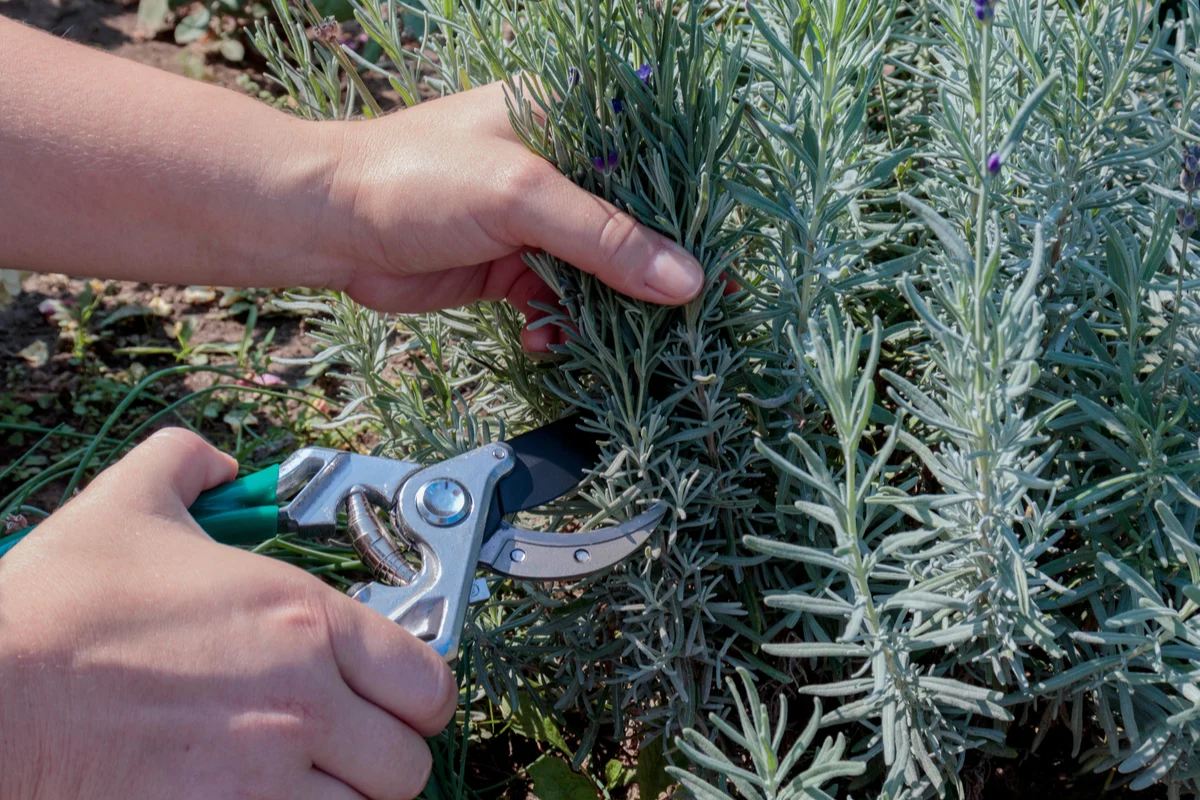
- Woody perennials (lavender, many shrubby salvias): avoid cutting into old wood unless you know the plant tolerates it.
- Early bloomers already in bud: you may sacrifice the show.
Columbine is a good example of the difference between “not a Chelsea chop” and “still worth cutting.” Many gardeners cut columbine back after it blooms to refresh foliage or encourage a tidier mound, but that is a different move and a different moment.
If you are unsure, try the stagger method first. Chop only part of the plant and watch what happens. That kind of experimenting is how you build confidence fast.
Deadheading basics
Deadheading means removing spent flowers. For many perennials, this can redirect energy away from seed production and toward new buds, and it almost always improves the plant’s appearance.
It also helps your bed look intentional. Even a gorgeous plant can look messy when it is covered in brown, crispy blooms.
When it helps most
- Repeat bloomers and long-season bloomers that keep making new buds.
- Plants with lots of individual flowers that fade gradually.
- Any perennial you want to keep tidy, even if it will not rebloom much.
When not to deadhead
- Plants you value for seedheads or winter structure (and the birds that come with them).
- Natives you leave for wildlife, especially late in the season.
- Things you want to self-seed (sometimes a little self-seeding is exactly the vibe).
How to deadhead
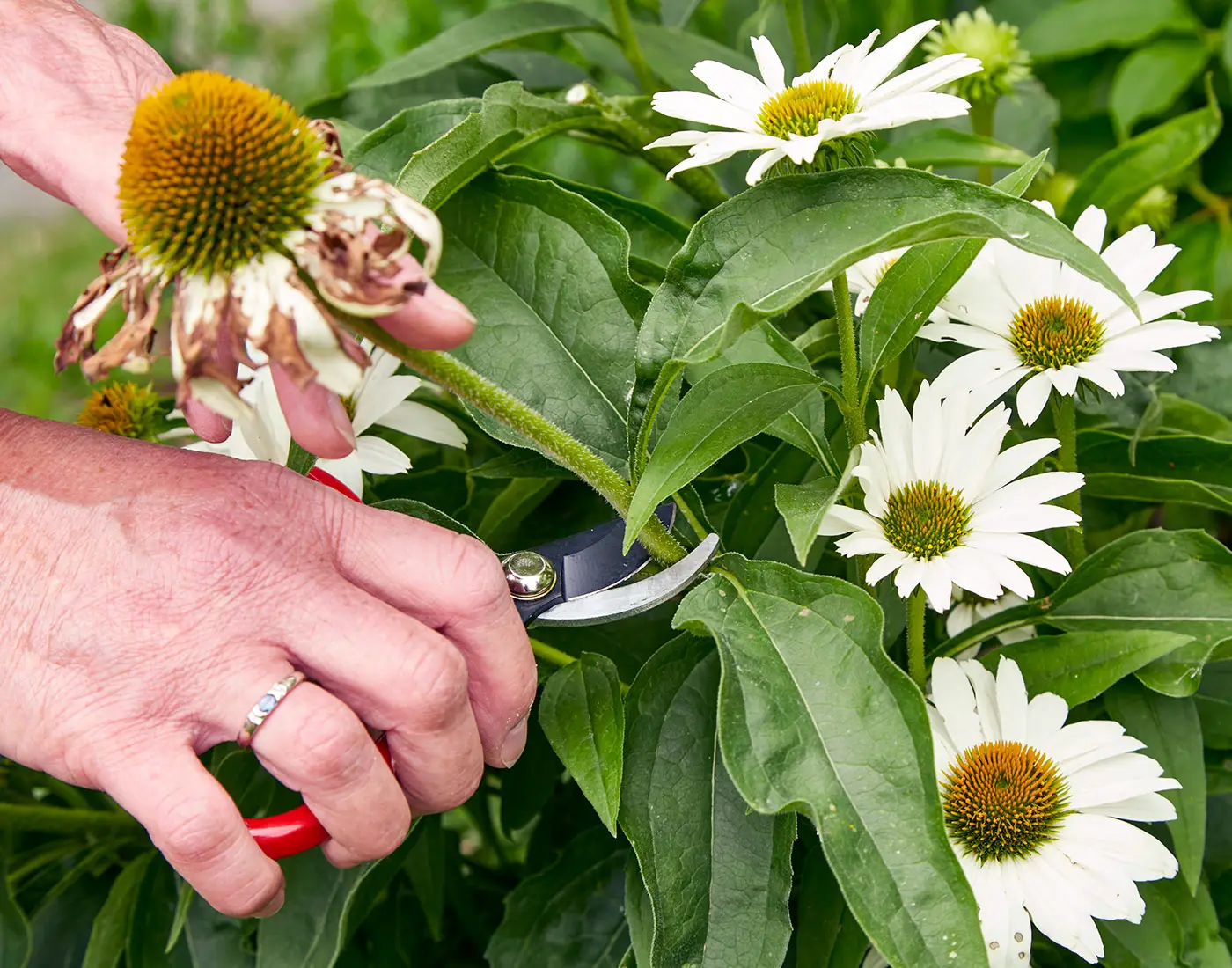
1) Pinch or snip spent blooms: Remove the flower head just above the next set of leaves or a side bud.
2) Cut back to a strong side shoot: If the stem is finished and no new buds remain on it, follow the stem down to a leafy side shoot and cut there. This is especially helpful on taller perennials, because it prevents awkward bare sticks.
Which to use when
Think of the Chelsea chop as a preemptive strategy and deadheading as a maintenance strategy.
- Chelsea chop happens before peak bloom to shape growth, prevent flopping, and encourage branching.
- Deadheading happens during and after bloom to keep the display going and tidy up the bed.
They work well together
A common pattern in my own beds looks like this:
- Late spring: Chelsea chop bee balm and garden phlox to keep them shorter and airier.
- Early summer onward: Deadhead as flowers fade.
- Mid to late summer: Enjoy the second flush that comes from the extra branching.
One small but helpful nuance: some perennials respond best to a cutback after the first flush rather than a true Chelsea chop. Think of plants like salvia nemorosa and delphinium, where trimming faded spikes can tidy the plant and sometimes prompt a second round.
Plant-specific tips
Sedum (Hylotelephium)
Chop by one-third to one-half in late spring. You will get a shorter plant with tighter flower heads and much less flopping.
Garden phlox
Chop by one-third to improve airflow and reduce mildew pressure in humid summers. Deadhead by cutting faded clusters back to a lower side bud.
Bee balm (Monarda)
Chop by one-third to keep it bushier and help prevent the plant from splaying open. Deadhead promptly to encourage repeat bloom.
Rudbeckia
Deadhead for a longer show, especially on clump-forming perennial types. If you like, leave some seed heads at the end of the season for birds and winter texture. A light late-spring chop can work on some varieties, but it is not as universal here as it is with sedum or phlox.
Nepeta (catmint)
Instead of a classic Chelsea chop, many gardeners shear it back by about one-third after the first big flush. Water once afterward if it is dry, and it often blooms again quickly.
Aftercare
Most perennials bounce back without any fuss, but a little aftercare helps them regrow quickly.
- Water if the soil is dry: Especially after a bigger cut and during warm, windy weather. If you cannot water during a drought, go lighter or wait.
- Mulch lightly: A thin layer helps hold moisture and keeps roots cooler. Keep mulch off the crown.
- Go easy on fertilizer: Too much nitrogen can lead to lush, floppy growth. If your soil is healthy, you often do not need extra feeding.
- Stake only if needed: The whole point is fewer stakes, but very tall plants in shade may still lean.
Common mistakes
Chopping everything the same way
A mixed border does not need a one-size haircut. Chop the plants that tend to flop or bloom in a narrow window. Leave well-behaved plants alone.
Chopping spring bloomers
If it blooms in spring, do not Chelsea chop it. For those, prune after flowering if needed.
Deadheading too timidly
Snipping just the crispy petals off often leaves an ugly seed head behind. Follow the stem down to a leaf set or side shoot and make a clean cut.
Deadheading forever
Deadheading is not mandatory all season. In late summer and fall, I often stop on a few plants so birds get seed and the garden keeps winter structure.
A simple yearly routine
- Late spring: Walk the garden with pruners. Chelsea chop the usual suspects.
- Early summer: Deadhead once or twice a week while you are already out watering or weeding.
- Mid-summer: Decide if you want a tidy look (keep deadheading) or a more natural look (leave some seed).
- Fall: Enjoy the second flush on chopped plants and make notes about what worked.
The note-taking part sounds nerdy, but it is how you get a garden that looks better each year with less effort.
FAQ
Does the Chelsea chop reduce flowers?
It can reduce the first flush if you chop very late or too hard on a plant that was about to bloom. Done at the right time, it usually increases the total number of blooms by encouraging branching, and it spreads them over a longer period.
Can I Chelsea chop during a hot spell?
Yes, but I try to avoid cutting right before several days of intense heat with dry soil. If you must, water well afterward and consider chopping only part of the plant.
What is the difference between deadheading and cutting back?
Deadheading removes spent flowers. Cutting back removes a larger portion of stems to shape the plant or trigger fresh growth. Some perennials benefit from both at different times.
Should I disinfect pruners?
If you are moving between plants that show signs of disease, yes. A quick wipe or dip with 70% isopropyl alcohol is simple and helps reduce spread. Make sure the blade is thoroughly wet for a brief contact time before moving on.
The takeaway
If you want a longer-lasting perennial display without complicated tricks, start with these two habits: a well-timed Chelsea chop in late spring, and steady deadheading once bloom season begins. They are small actions, but they add up to sturdier plants, fewer flops, and a garden that keeps offering fresh flowers long after the first flush fades.
And if you are nervous to cut, choose one reliable plant, chop only half of it, and let the garden show you the difference. That is how confidence grows, right alongside the blooms.