
Hi, I’m Eliza Robbins, and I’m so glad you’re here.
If you’ve ever stood in the garden center holding a plant tag like it’s a tiny riddle, wondering if you’re about to make a great choice or an expensive mistake, you’re in the right place. Bloom Perennial was built for real-life gardeners who want flowers that come back year after year, without needing a landscape design degree to make it happen.
How I fell for perennials
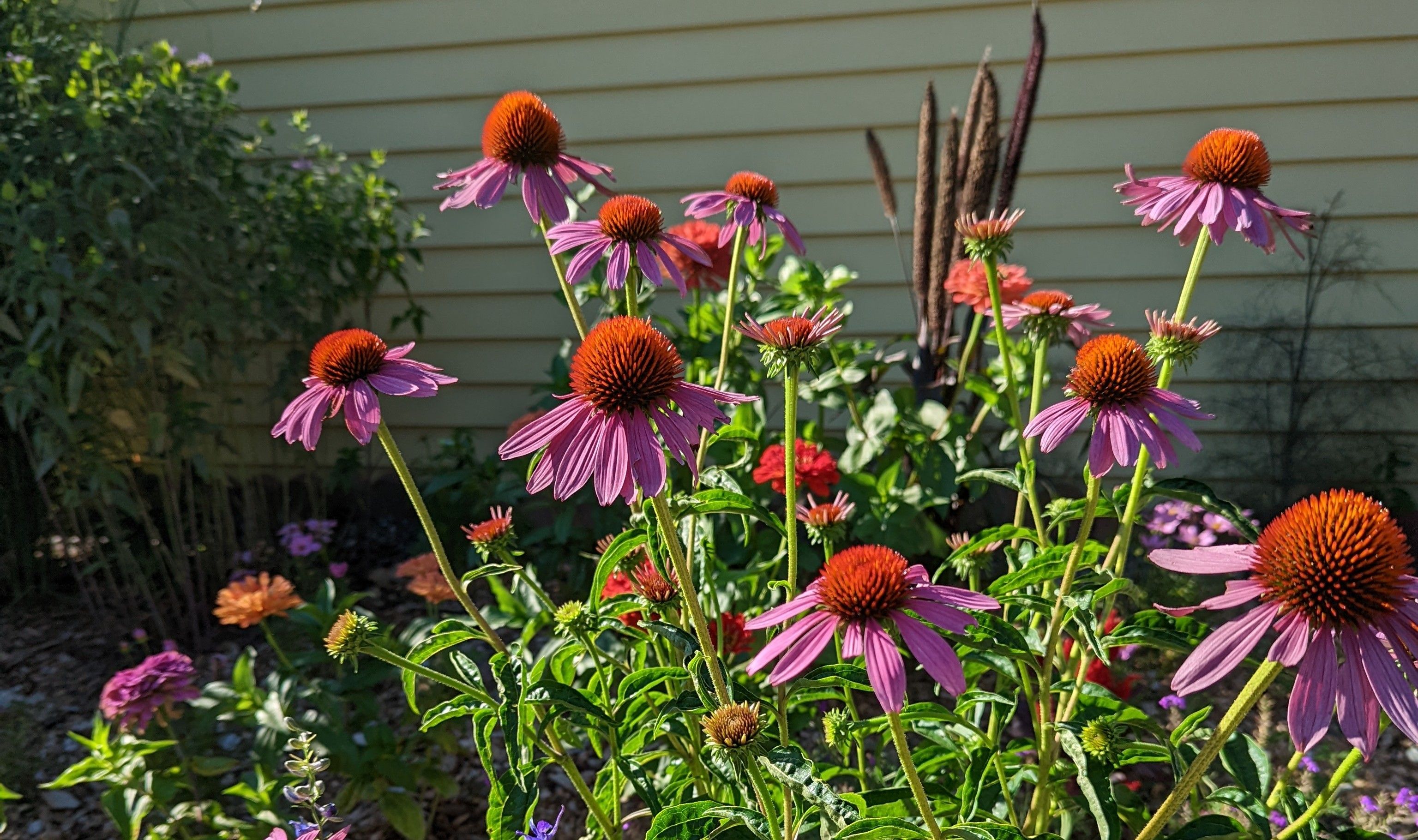
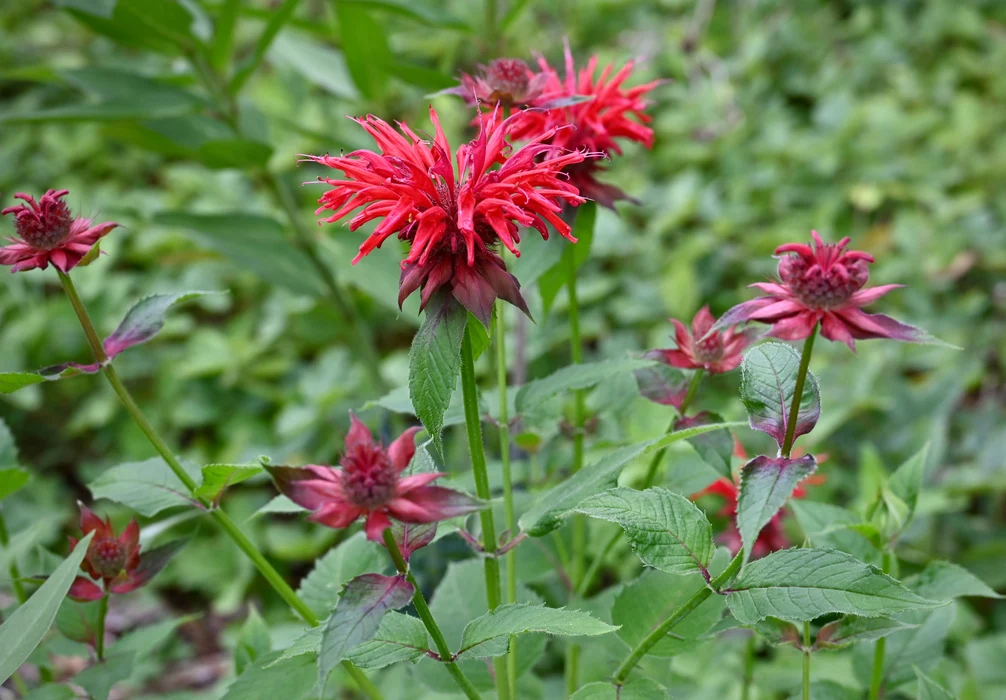
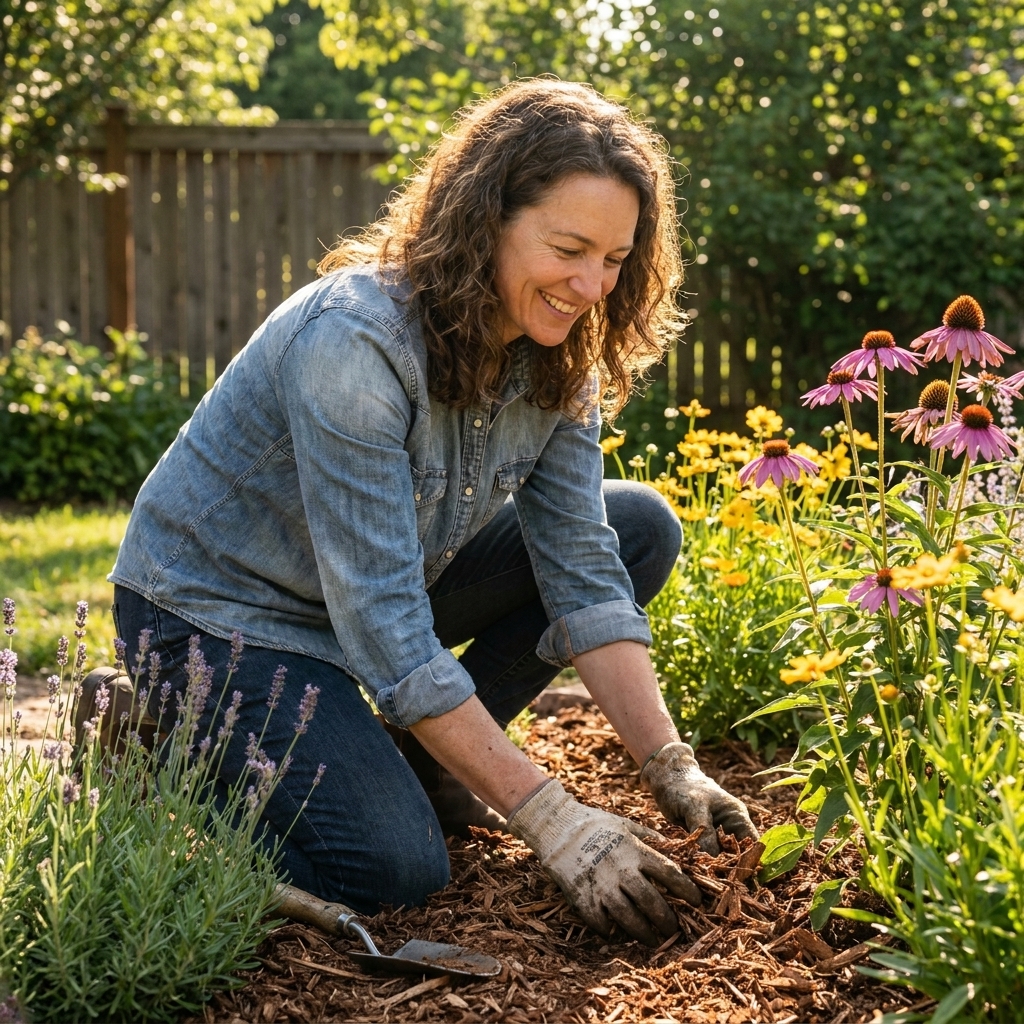
My love for perennials started early, with my grandmother’s cottage garden. It was the kind of yard that never looked perfectly planned, but somehow always looked alive. There were clumps of bee balm leaning into coneflowers, irises that appeared like clockwork, and something blooming in every corner if you took the time to notice. I was the kid happily hauling a watering can, pulling a few weeds, and asking a hundred questions.
That garden taught me my first big perennial lesson: plants “remember,” in the sense that when you give them the right conditions, they return. They fill in. They get better with time.
Three zones, one gardener
As an adult, I moved through three different growing zones, and that’s where I truly learned what “right plant, right place” means. I wish I could say it was all graceful success, but a lot of my education came from the classic trio of gardening: trial, error, and starting over.
In one place, winter cold tested what was truly hardy. In another, humidity invited diseases I hadn’t dealt with before. In another, summer heat turned “full sun” into “full blast.” Each move forced me to get climate-specific, not just plant-specific. The best perennial garden advice in the world doesn’t work if it ignores your soil, your seasons, and your particular brand of weather.
Why Bloom Perennial exists
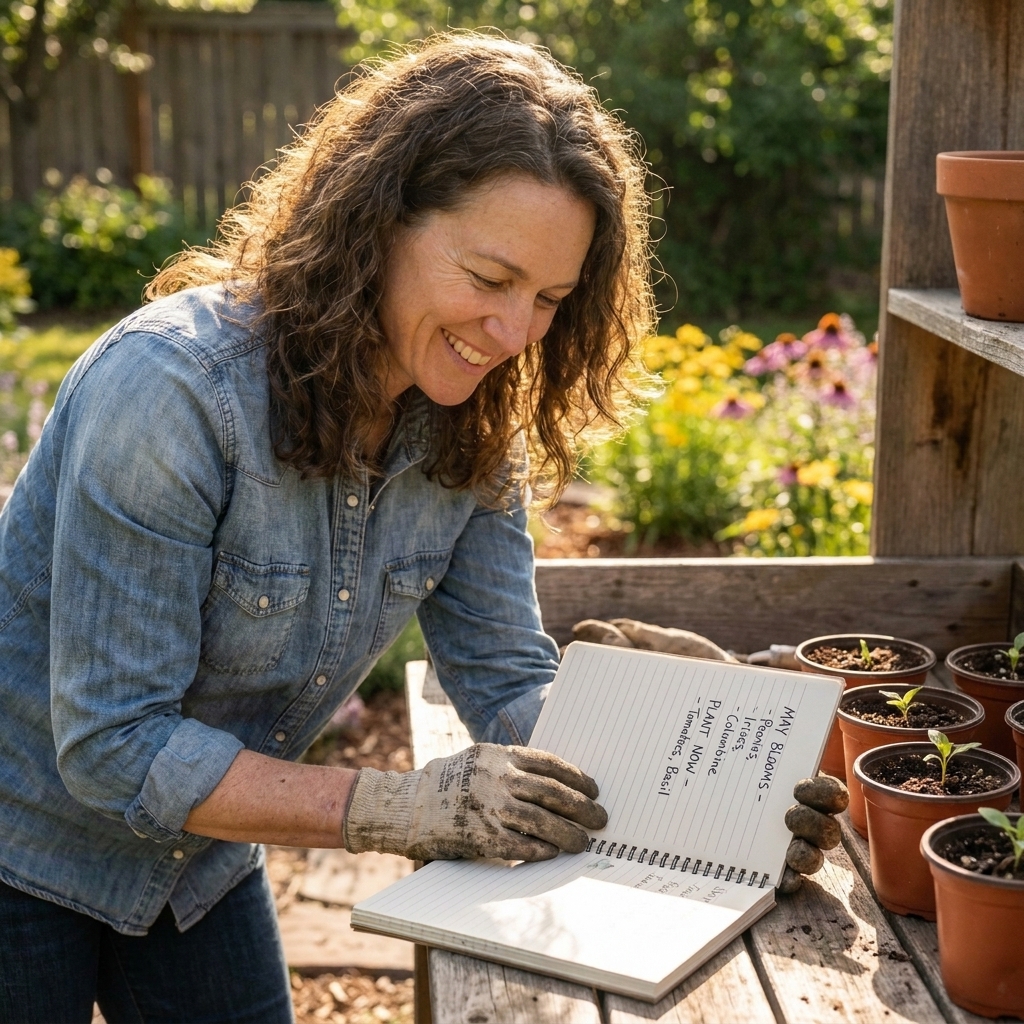
Bloom Perennial exists to make perennial flower gardening feel doable and joyful, even if you’re starting with a bare patch of lawn and a head full of questions. I’m completely self-taught, and I write the way I learn: by getting my hands dirty, paying attention to what worked, and being honest about what didn’t.
My mission is simple:
- Demystify perennials so you can choose plants with confidence.
- Teach climate-smart planting that respects your zone, your microclimates, and your soil.
- Help you build continuous-bloom beds with flowers that take turns, so your garden stays interesting across seasons.
- Keep the tone friendly and practical, because gardening is supposed to be restorative, not stressful.
What you’ll find here
If you hang around Bloom Perennial, you’ll see a focus on the everyday realities of keeping a garden going. I love a dreamy cottage border as much as anyone, but I also want you to know what to do when your coneflowers flop, your phlox mildews, or your “low maintenance” plant starts acting a little dramatic.
On the site, you’ll find:
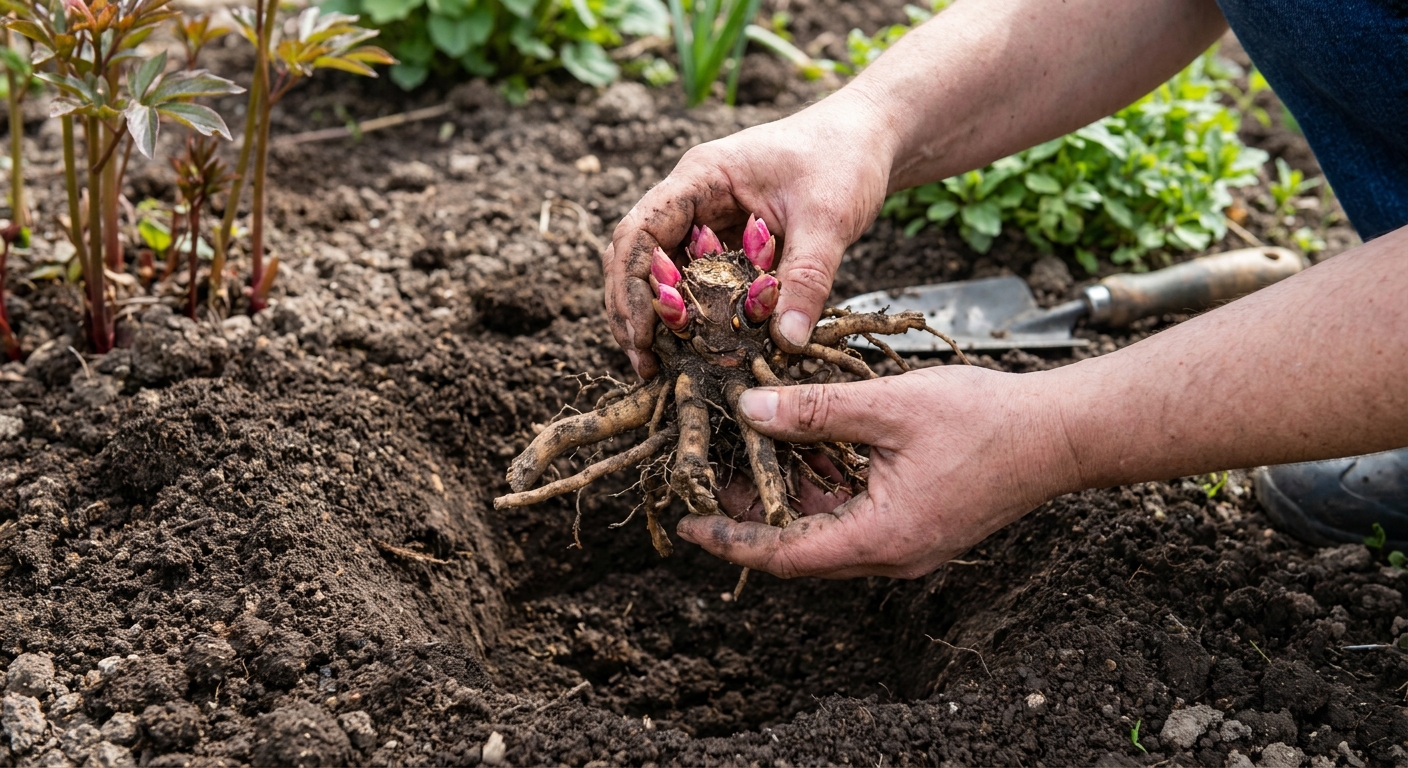
- Perennial profiles with straightforward care, pruning, and dividing tips.
- Seasonal planting guidance so you know what to do now, not just “sometime.”
- Garden bed design help that focuses on bloom sequence, spacing, and repeats.
- Problem-solving articles for common issues like legginess, pests, and flower gaps.
Most of all, you can expect encouragement. I take gardening seriously, but I don’t think you need to be perfect to grow something beautiful.
My kind of garden
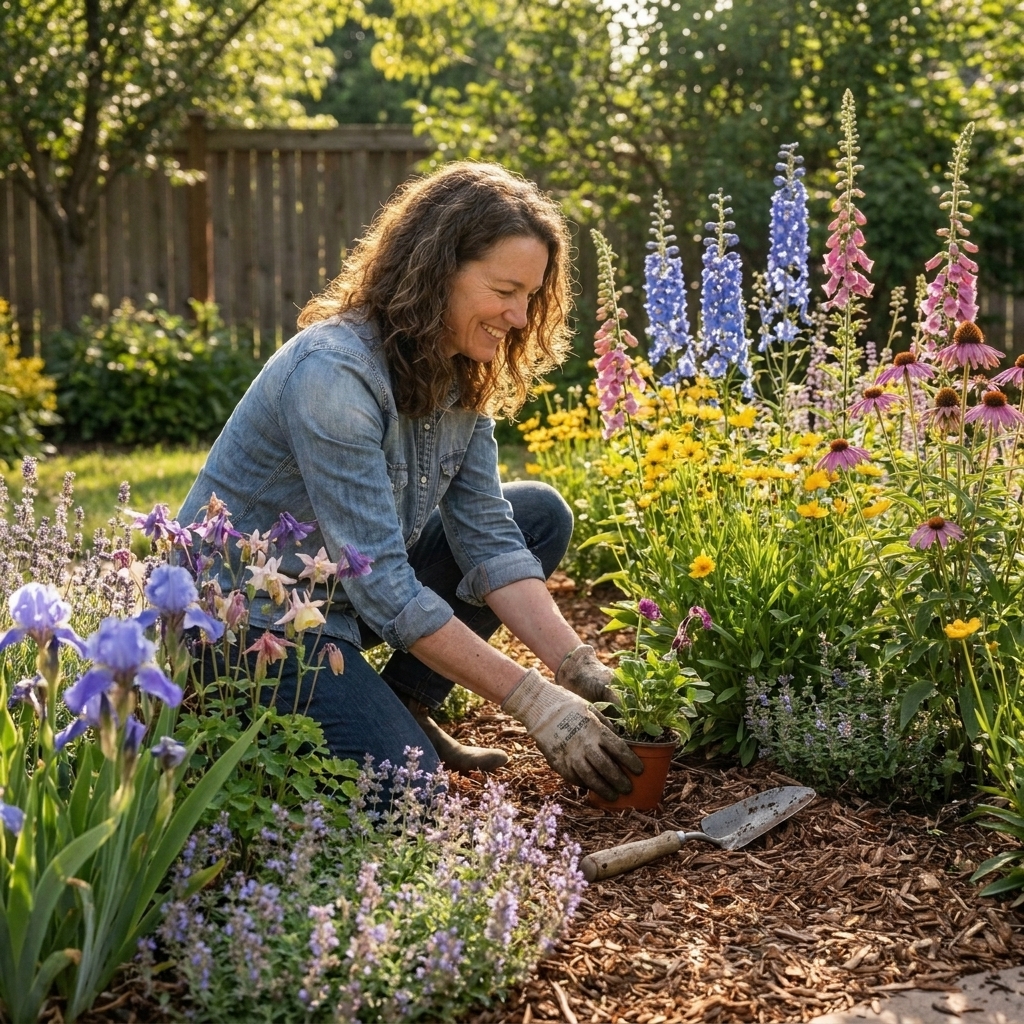
I’m happiest in a garden that looks like it belongs to the season it’s in. Spring can be a little messy and hopeful. Summer is full and generous. Fall is golden and slightly wild around the edges. Even winter has a quiet beauty when you leave a few seed heads standing for the birds.
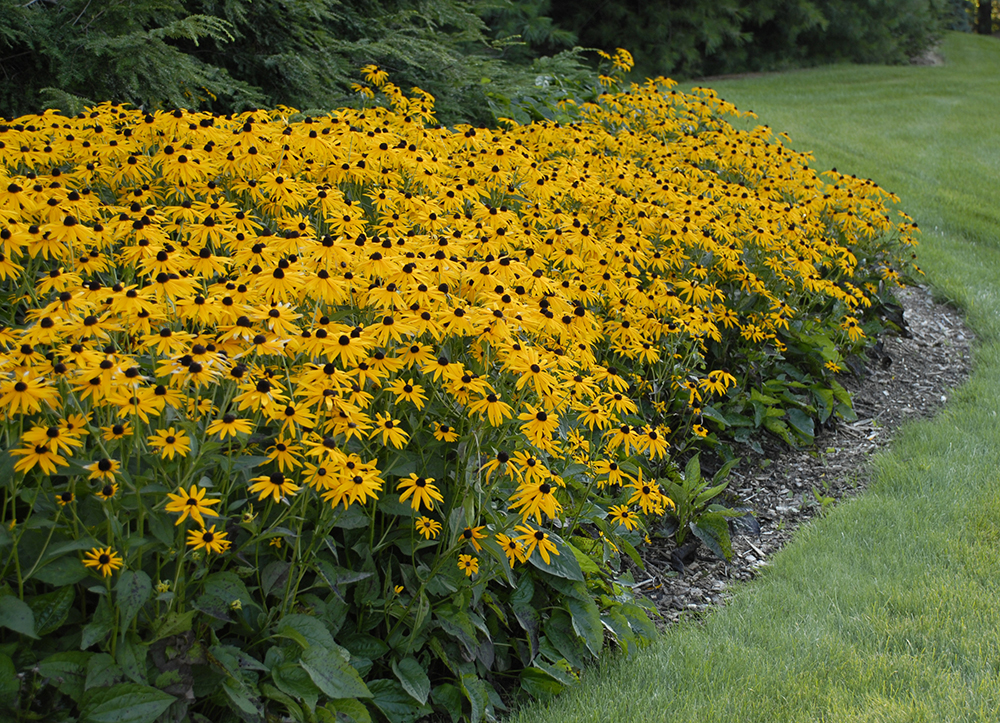
And if I had to name my personal obsession, it would be continuous bloom. I love arranging a bed so that as one perennial fades, another steps forward. Not a garden that peaks for two weeks and then disappears, but one that keeps showing up in small, lovely ways from early spring to frost.
Before you dig in
Whether you garden in a tiny front bed, a rented space with a few containers, or a backyard you’re slowly transforming one shovel of compost at a time, you’re welcome here. Start where you are. Use what you have. Pay attention to what your garden is telling you.
If you ever feel stuck, remember this: perennials are forgiving. You can move them, divide them, tweak the light, and try again next season. That’s part of the magic.
Pull up a chair, take a look around Bloom Perennial, and let’s grow something that comes back.