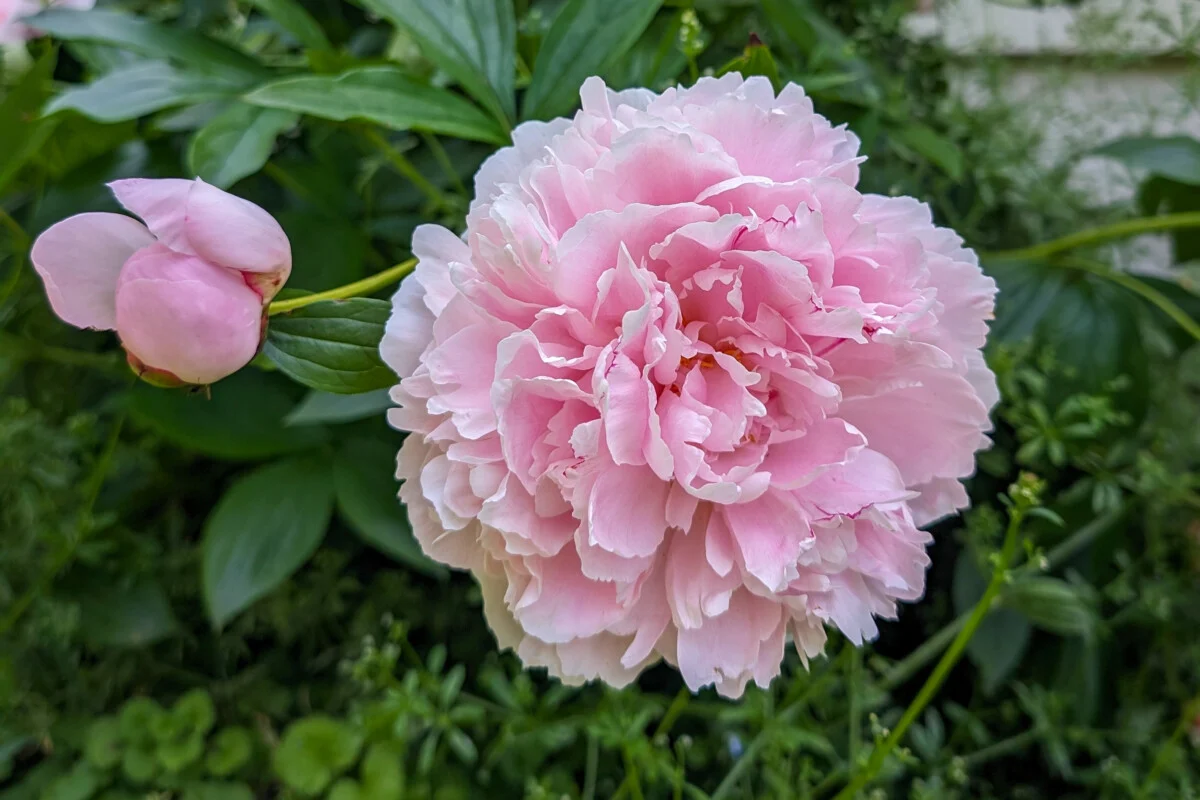

Peonies have a special kind of loyalty. Once they are settled, they come back every spring like they own the place, often blooming better with age. But they are also wonderfully picky about three things: how deep you plant them, whether you give those dinner-plate blooms a little backup, and how you handle winter without accidentally suffocating the crown.
I learned the planting-depth lesson the hard way after moving between growing zones. In one yard, my peony leaves were gorgeous and healthy for years, but the flowers were a no-show. It was not disease. It was not fertilizer. It was depth. If you garden in Zones 3 through 8, this guide will keep you out of that exact trap.
Know your peony type first
This article focuses on herbaceous peonies, the classic garden peonies that die back to the ground each winter and regrow from their crown in spring. Planting depth rules for herbaceous peonies are very specific.
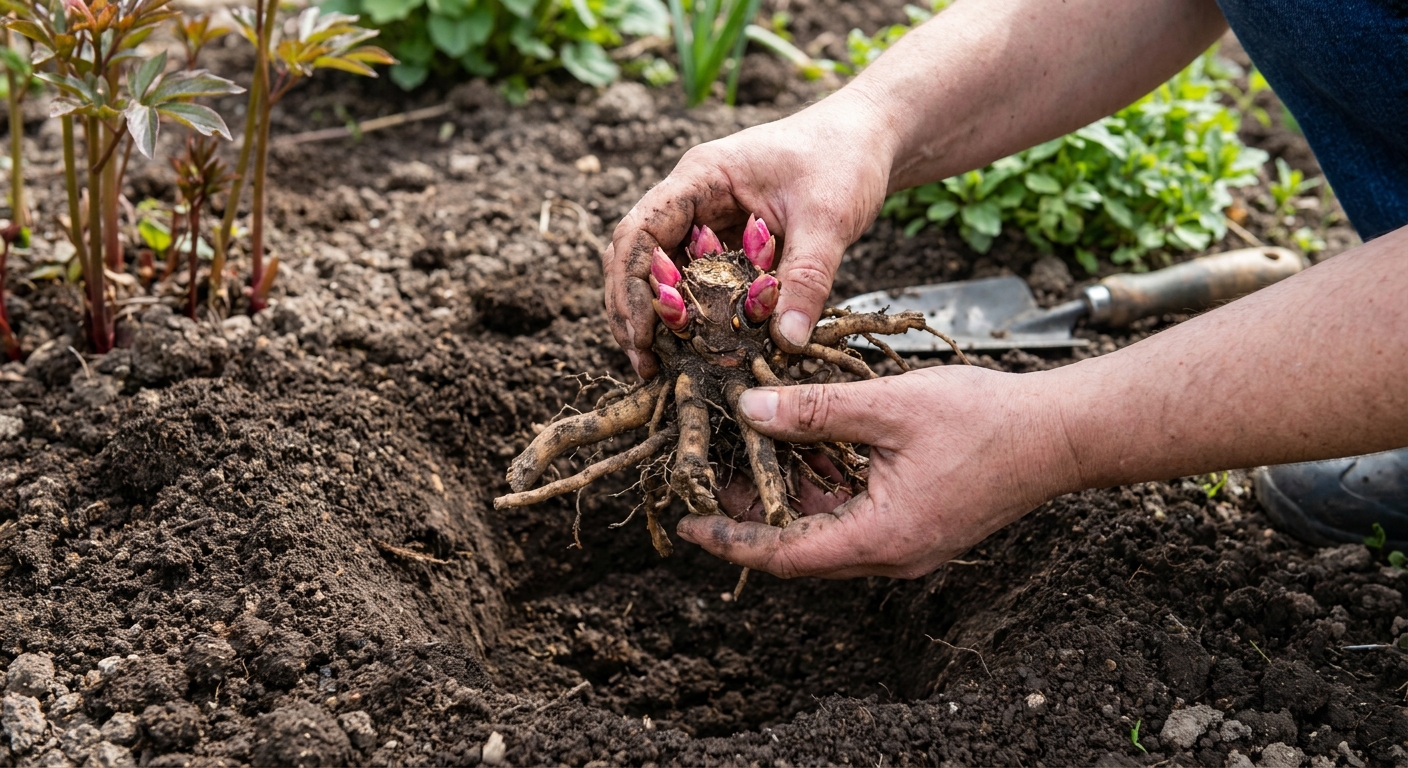
If you are planting an intersectional (Itoh) peony or a tree peony, the depth guidance changes, especially because graft unions may need to be buried. If your plant came as a bare root with distinct pink or red “eyes” (buds) on a thick crown and no woody stems, you are in the right place.
Planting depth
If you remember one thing, make it this: peonies bloom best when their eyes are close to the soil surface. Plant them too deep and you often get lush foliage and no flowers. Plant them too shallow and winter cold or freeze-thaw cycles can heave the crown.
The sweet spot (Zones 3-8)
Use this as a starting point, not a commandment carved in stone. Your soil type and microclimate matter. Heavy clay tends to hold water and stay colder and wetter; sandy soils drain fast and can heave more.
- Zone 3 to 5: Set the eyes 1 to 2 inches below the finished soil surface.
- Zone 6 to 8: Aim closer to 1 inch below the surface.
In warmer parts of this range, shallower planting can help buds experience colder winter soil temperatures, which peonies appreciate. In colder zones, that extra half-inch to inch adds protection without burying the buds.
How to plant bare-root peonies
- Pick the spot: Full sun is ideal (6+ hours). In hotter Zone 7 to 8 gardens, afternoon shade can help blooms last longer, but avoid deep shade.
- Plan for airflow: Give each plant room. About 3 feet of spacing is a good rule for most full-size herbaceous peonies.
- Dig wide, not just deep: About 18 inches wide is great. Loosen soil so new roots can run, and avoid planting where water sits after rain. Good drainage is not optional for peonies.
- Build a small mound: Set the crown on the mound and spread roots down and out like spokes.
- Measure from the finished soil level: Lay a stick or trowel handle across the hole to mark the final soil line. Adjust so the eyes land at the right depth after watering and settling (this is where people accidentally plant too deep).
- Backfill gently and water in: Firm lightly with your hands, then water deeply to settle air pockets.
A note about mulch: Mulch is wonderful, but remember it counts as “depth” too. If your peony eyes are already 2 inches down and then you add 3 inches of mulch on top, you have effectively buried the crown.
Common mistakes
Planting too deep
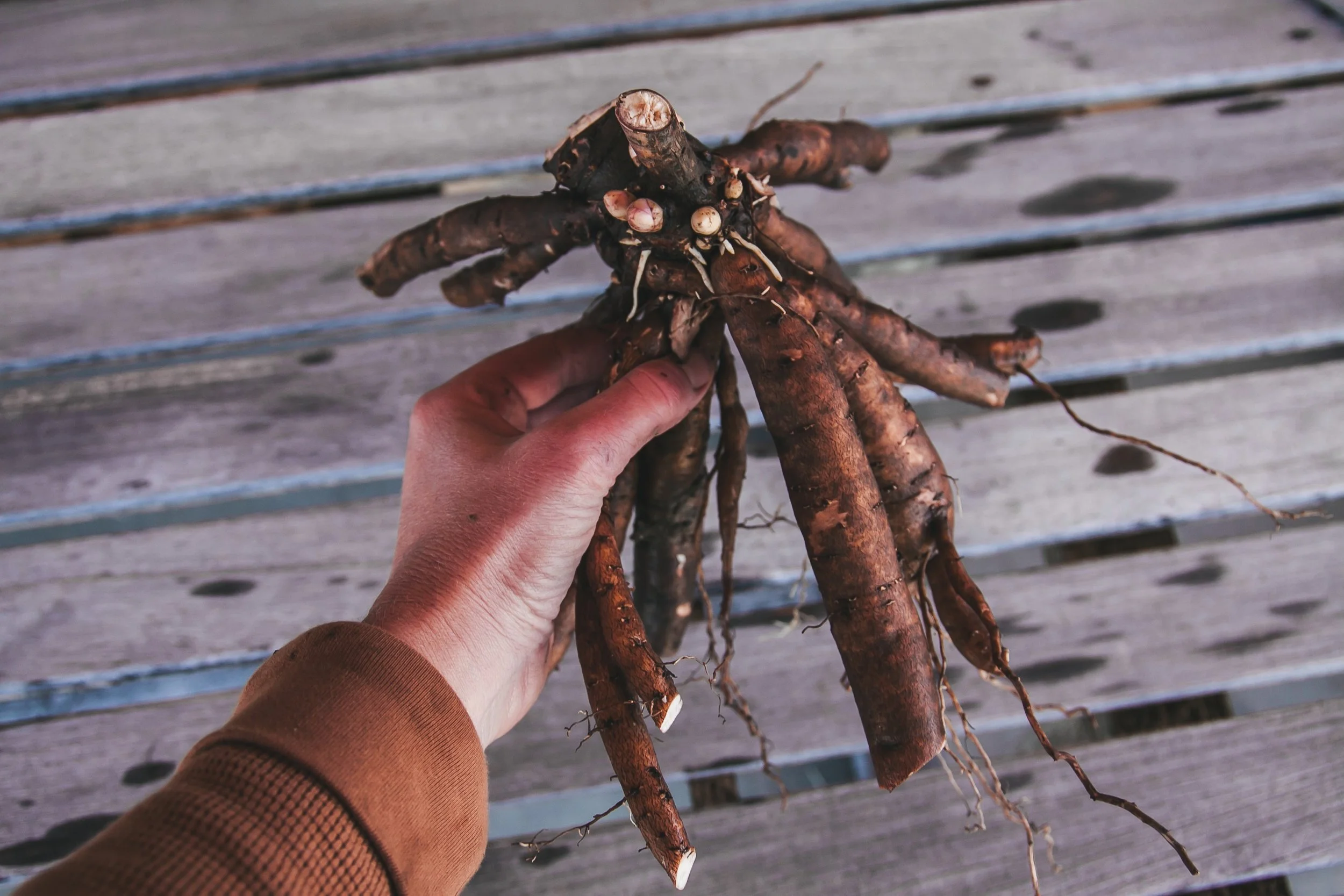
This is the big one. If a peony has been in the ground for two or three years with healthy leaves but little to no flowering, depth is my first suspicion. Depth problems also happen when:
- Soil gets added later during bed edging or leveling.
- Heavy mulch is piled up year after year over the crown.
- Plants settle after planting because the soil was not watered in well.
Overfeeding with nitrogen
Peonies do not need rich, constantly fed soil. Too much nitrogen pushes leaf growth at the expense of blooms. If you fertilize, choose something balanced and use it lightly.
Crowding and competition
Peonies like their own space and airflow. Crowding them with aggressive perennials or shrubs can reduce flowering and increase disease pressure.
Moving them too often
Peonies sulk after transplanting. It is normal for blooms to pause for a year or two after a move or division. Plant them where you truly want them, then let them settle in.
Support options
Peonies are famous for huge blooms that turn into soggy paperweights after a spring rain. Even sturdy stems can flop, especially on double varieties. The secret is to support early, before the plant is top-heavy. Once stems are bent, they rarely straighten fully.
Peony rings
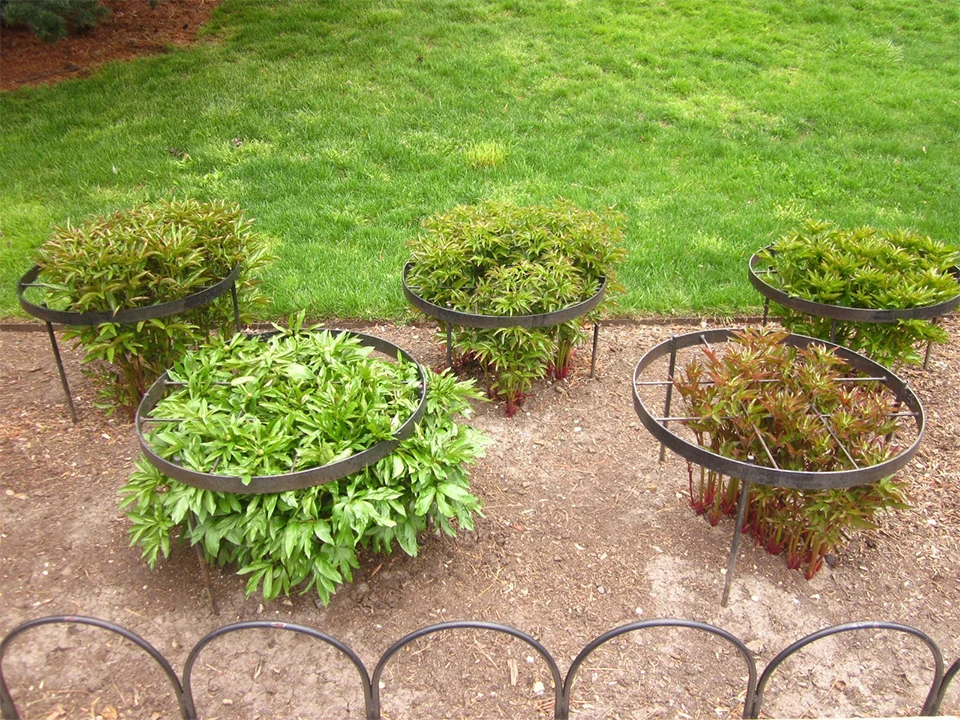
These are circular supports with legs that you push into the soil around the plant in early spring. Stems grow up through the grid and are held loosely as they elongate.
- When to install: When shoots are 6 to 10 inches tall.
- Best for: Mature clumps, heavy doubles, gardeners who want quick support without tying.
- Tip from my beds: Place the ring slightly wider than the emerging shoots. If you squeeze it tight against stems, you can rub and damage them as they thicken.
Tomato cages
A sturdy, wide tomato cage works well for tall peonies if you set it early. The plant grows through it and the cage disappears under foliage.
- When to install: Early, when growth is still short.
- Best for: Tall varieties, windy sites.
- Watch out: Cheap cages bend. Go heavier than you think you need.
Stakes and soft ties
This method is perfect when you have just one or two stems that lean, or when you inherit a peony already tall and floppy and you need a rescue plan.
- Use: Bamboo, metal stakes, or twiggy branches.
- Tie with: Soft plant tape, cloth strips, or garden twine in a loose figure-eight.
- Tip: Tie lower than you think. A tie up near the bloom looks neat until the first storm, then the stem can kink below the tie.
DIY twine corral
Make a simple “fence” using three to five stakes placed around the plant with twine woven around them. It is not fancy, but it works wonderfully.
- When to install: When stems are 10 to 14 inches tall.
- Best for: Older clumps that are too wide for standard rings.
Water and feeding
Support helps, but overall plant health matters too. Strong stems start with consistent care.
Watering
Peonies prefer deep, occasional watering over frequent sips. During establishment and through spring growth and bloom, aim for roughly 1 inch of water per week from rain or irrigation, more during heat waves. If your soil stays wet, back off. Overwatering and poor drainage invite trouble, especially botrytis. Water at the base to keep foliage dry.
Fertilizer
- When: In early spring as shoots emerge, or right after bloom.
- What: A light application of compost, or a balanced slow-release fertilizer.
- Avoid: Heavy nitrogen and repeated feeding through summer.
Deadheading and flower management
After blooms fade, snip spent flowers off just above a leaf node. Leaving the leafy stems helps the plant store energy for next year’s bloom. If you are cutting peonies for bouquets, try to leave at least two sets of leaves on each cut stem.
Winter care
Herbaceous peonies are cold-hardy, but winter care still matters, especially in Zones 3 to 5 where freeze-thaw cycles and drying winds can be rough. The goal is simple: reduce disease, prevent heaving, and avoid smothering the crown.
Fall cleanup
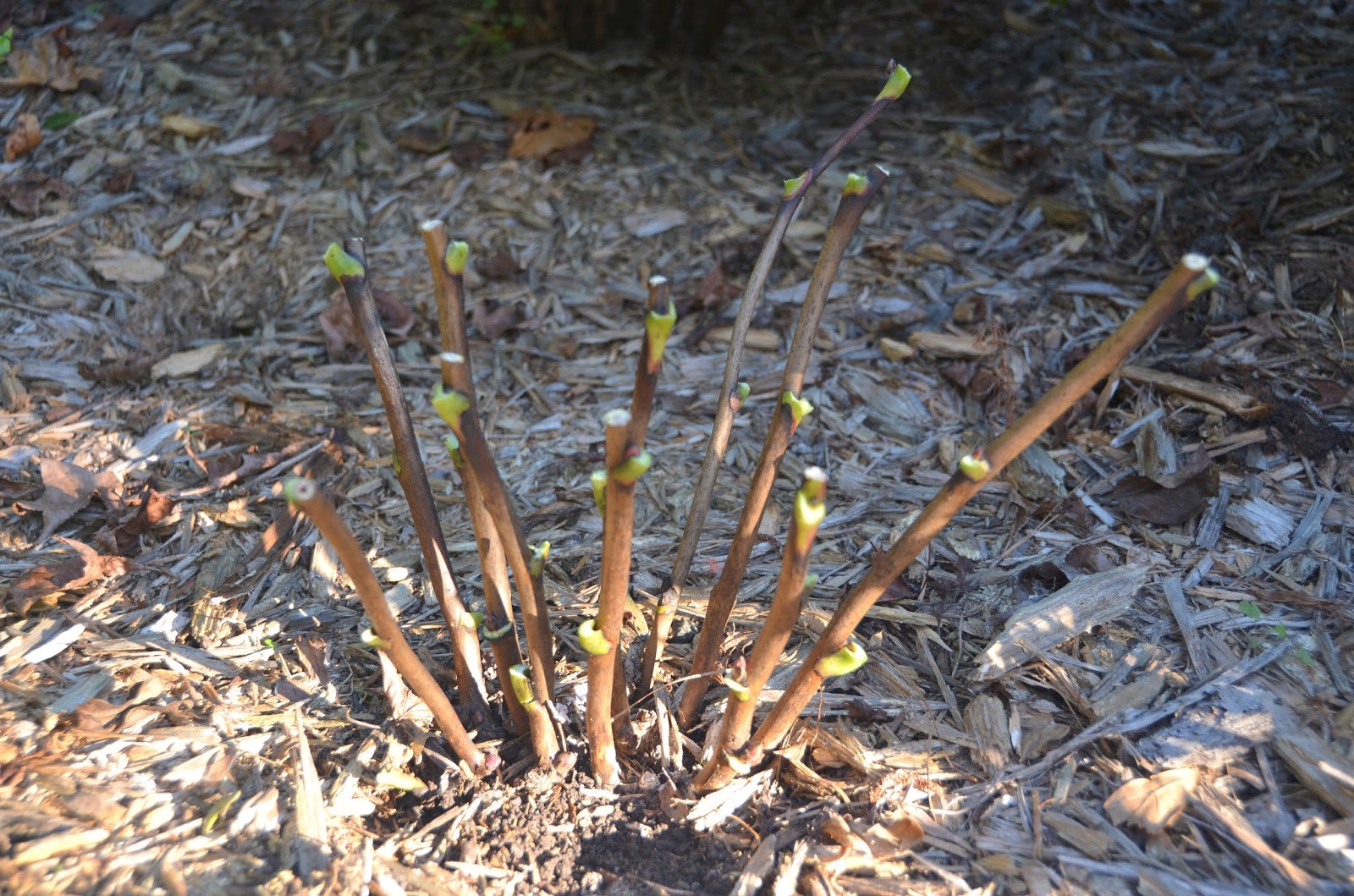
Once frost has blackened the foliage or it has clearly yellowed and collapsed, cut stems down to about 1 to 2 inches above soil level (close to the ground is fine too). Then clean up like you mean it.
- Bag and remove foliage, especially if you had any leaf spotting during summer.
- Do not compost diseased leaves unless your compost gets reliably hot.
- Clean pruners with rubbing alcohol between plants if you are dealing with disease.
Mulch
In Zones 3 to 5, a light winter mulch can reduce heaving. In Zones 6 to 8, mulch is usually optional and often used more for weed control than cold protection.
- Zone 3 to 5: After the ground begins to freeze, apply 1 to 2 inches of loose mulch (shredded leaves, pine needles, or straw) around the plant.
- Zone 6 to 8: Keep mulch thin and pulled slightly back from the crown.
Important: In spring, pull mulch back so the crown is not buried. Peonies need that surface-level bud exposure to bloom well.
Botrytis prevention
If you have ever had peony buds turn brown and mushy or stems collapse, you have met botrytis (peony blight). Your best prevention is simple: space plants for airflow, avoid overhead watering, remove and toss infected material, and do a thorough fall cleanup.
Snow, ice, and wind
Snow is insulation, so in many cold gardens, peonies do fine under a reliable snow cover. The bigger issue is winter wind and repeated thawing and refreezing that pushes crowns up. Mulch helps, and so does making sure the plant is not sitting in soggy soil. Good drainage is winter protection.
What not to do
- Do not wrap peonies like roses. They do not need it and it can trap moisture.
- Do not pile mulch into a thick mound directly over the crown.
- Do not fertilize late in the season to push tender growth.
Troubleshooting
If your peony is healthy but stubbornly flowerless, work through this list. Most bloom problems are fixable.
Quick checklist
- Planted too deep? Eyes should be 1 to 2 inches below soil surface, less in warmer zones.
- Overmulched? Thick mulch can act like extra planting depth.
- Too much shade? Fewer than 6 hours of sun can reduce flowering.
- Newly planted or transplanted? It may take 1 to 3 years to settle.
- Late freeze damage? Buds can be zapped after they swell.
- Overfed? High nitrogen gives leaves, not flowers.
- Too wet? Poor drainage and constant moisture can stress plants and increase disease.
If it is too deep
The best time to correct depth is early fall (when nights cool but the soil is still workable). Lift the clump carefully, adjust it higher, and replant at the proper depth, measuring from the finished soil line. Water well and mulch lightly once the ground begins to freeze in colder zones. Expect the plant to pause and then rebound.
Seasonal care
Early spring
- Pull back excess mulch from the crown.
- Install rings or cages early.
- Topdress with compost if desired.
Late spring to early summer
- Water deeply during dry stretches, especially if the plant is still establishing.
- Deadhead spent blooms.
- Enjoy the fragrance and cut a few stems, leaving foliage behind.
Summer
- Keep weeds down and airflow up.
- Water during drought, especially on sandy soils.
- Avoid overhead watering when you can.
Fall
- Cut back after frost and remove foliage.
- Apply a light mulch in colder zones once the ground starts to freeze.
FAQ
How deep should I plant peony eyes?
In Zones 3 to 5, aim for 1 to 2 inches below the soil surface. In Zones 6 to 8, stay closer to 1 inch. Treat this as a strong guideline and adjust for your conditions, especially soil that settles or mulch that builds up.
Should I mulch peonies for winter?
In Zones 3 to 5, a light mulch helps prevent heaving. Keep it loose and not too thick, and pull it back in spring. In Zones 6 to 8, mulch is optional and should never bury the crown.
When should I stake peonies?
Stake early, when shoots are 6 to 10 inches tall. If you wait until buds are heavy, you will end up wrestling the plant and bending stems.
Do I cut peonies down in fall?
Yes, for herbaceous peonies. After frost, cut stems down close to the ground (about 1 to 2 inches is fine) and remove the foliage from the bed to reduce disease carryover.
Why do my peonies flop even with support?
It usually comes down to support installed too late, a ring that is too small, or very heavy double blooms in rain. Try a wider ring or a sturdier cage next spring, and make sure the support is in place before stems stretch.
One last reminder
Peonies teach patience in the best way. If you nail the planting depth, give them a quiet, sunny spot with good drainage, and set support before the plant turns into a bouquet on legs, they will reward you for decades. The best peony gardens I have known were not the most complicated ones. They were the ones where the gardener let the peonies do what they are built to do: return, and return, and return.