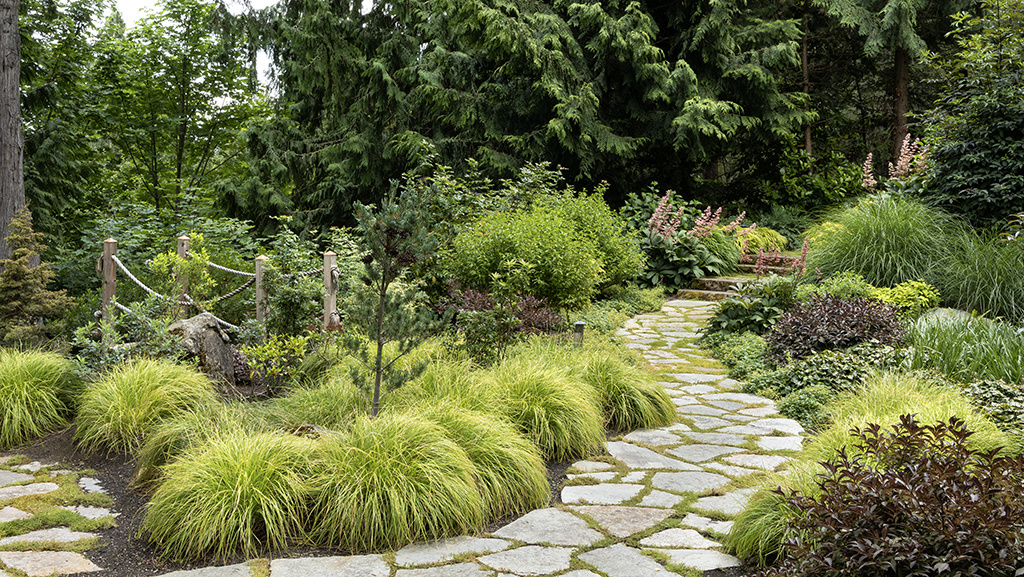

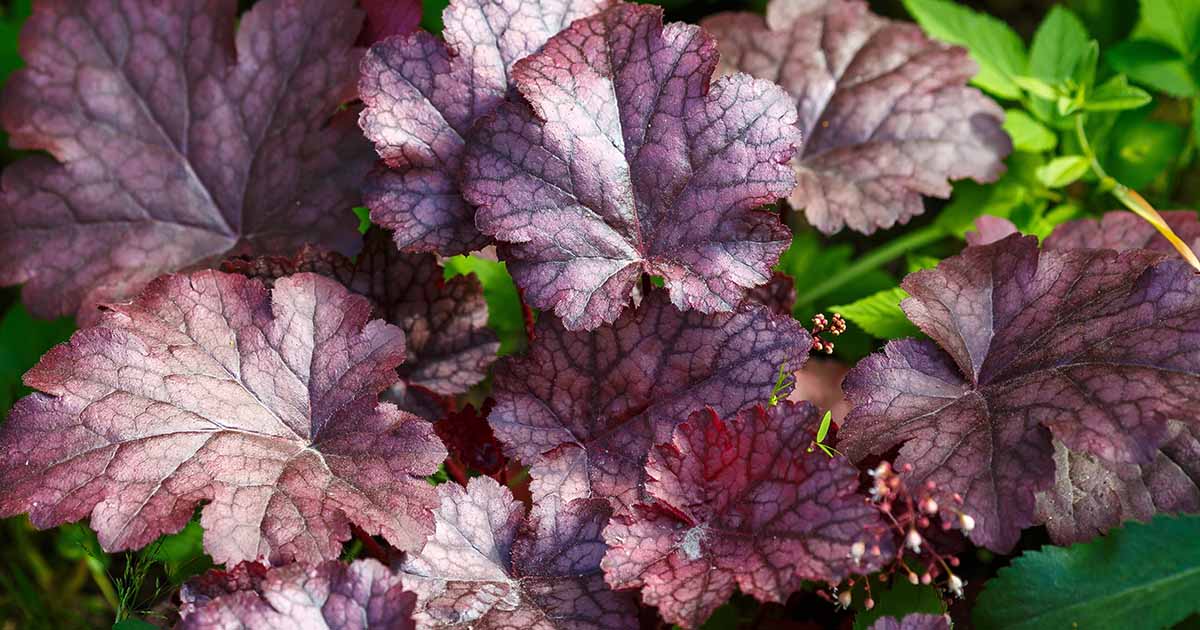
Coral bells, also known as Heuchera, are the perennial I reach for when a bed needs color even when nothing is blooming. They are basically living paint chips, with leaves in caramel, lime, plum, smoky silver, and nearly black. And because that color sits low and tidy, Heuchera is one of the easiest ways to make a garden look “designed” without doing anything fussy.
They do have a few quirks, though, especially once you start gardening through real weather. In cold-winter regions, one common issue is frost heaving, which can push plants up and out of the soil over winter. In wetter gardens, crown rot from poor drainage can be just as frustrating. The good news: once you know what causes these problems and how to plant for them, coral bells become one of the most reliable, year-round performers in a part-sun garden.
Why coral bells earn their spot
Heuchera are grown primarily for foliage, but they can also bloom with airy stems of tiny bell-shaped flowers in late spring into summer. Even when the flowers are subtle, the foliage holds color well for months, and that is what makes these plants so useful in design.
- Long season of interest: many varieties stay attractive from spring through hard frost, and some stay evergreen or semi-evergreen in milder winters.
- Great for part sun: they bridge the gap between shade plants and sun lovers.
- Compact, layer-friendly shape: perfect at the front of borders, along paths, and tucked under taller perennials.
- Easy to mix: they play well with everything from hostas and ferns to salvias and coneflowers.
Part-sun placement that works
The classic tag for coral bells is “part shade,” but I find most modern varieties do best with morning sun and afternoon shade. That gentle morning light intensifies leaf color without scorching it. Hot afternoon sun can bleach, crisp edges, or flatten the most interesting tones.
Quick rules of thumb
- Dark leaves (purple, near-black): can usually take a bit more sun than pale or peachy types, especially in cooler climates.
- Amber, caramel, and chartreuse leaves: are more likely to scorch in intense afternoon sun. Give them brighter shade or filtered light.
- Silver or frosted leaves: often look best with bright shade, where the sheen reads clearly.
- Humid climates: prioritize airflow and avoid deep, stagnant shade where leaves stay wet for long stretches.
If you are unsure, start with a spot that gets 3 to 5 hours of sun, ideally earlier in the day, and adjust from there. Coral bells tell the truth quickly: washed-out color and crispy edges usually means too much heat and sun, while thin growth and smaller leaves can mean too little light.
Designing with Heuchera
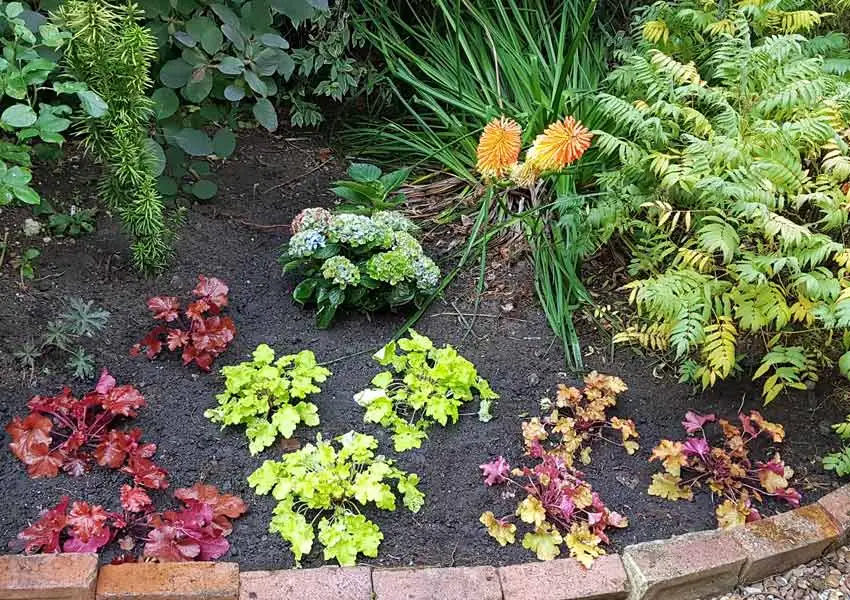
When gardeners say coral bells are versatile, what they really mean is this: you can use them like fabric in a room. A little goes a long way, and repeating a color or texture makes the whole space feel intentional.
Think in three layers
Most beds look best with a mix of:
- Dark anchors: plum, espresso, or near-black Heuchera ground the edge of a bed and make nearby blooms pop.
- Bright “spark” plants: lime or gold foliage lifts shady areas and reads from a distance.
- Calming neutrals: silver, pewter, or soft green helps everything else look less busy.
My easiest combo for part sun is one dark variety repeated in drifts, plus one bright variety used like highlights, with a neutral plant nearby to keep the look restful.
Use leaf shape
Heuchera leaves are often rounded and ruffled. That makes them perfect next to:
- Strappy foliage: ornamental grasses, liriope, daylilies, or iris for contrast
- Big, smooth leaves: hostas, brunnera, or hardy begonias for a lush look
- Fine texture: ferns or airy perennials like Japanese anemone for movement
Repeat for a clean look
If you plant one coral bell here and one coral bell there, it can read like afterthoughts. Instead, repeat the same variety every few feet, or plant in small groups of three or five. Repetition is what makes foliage color look intentional rather than accidental.
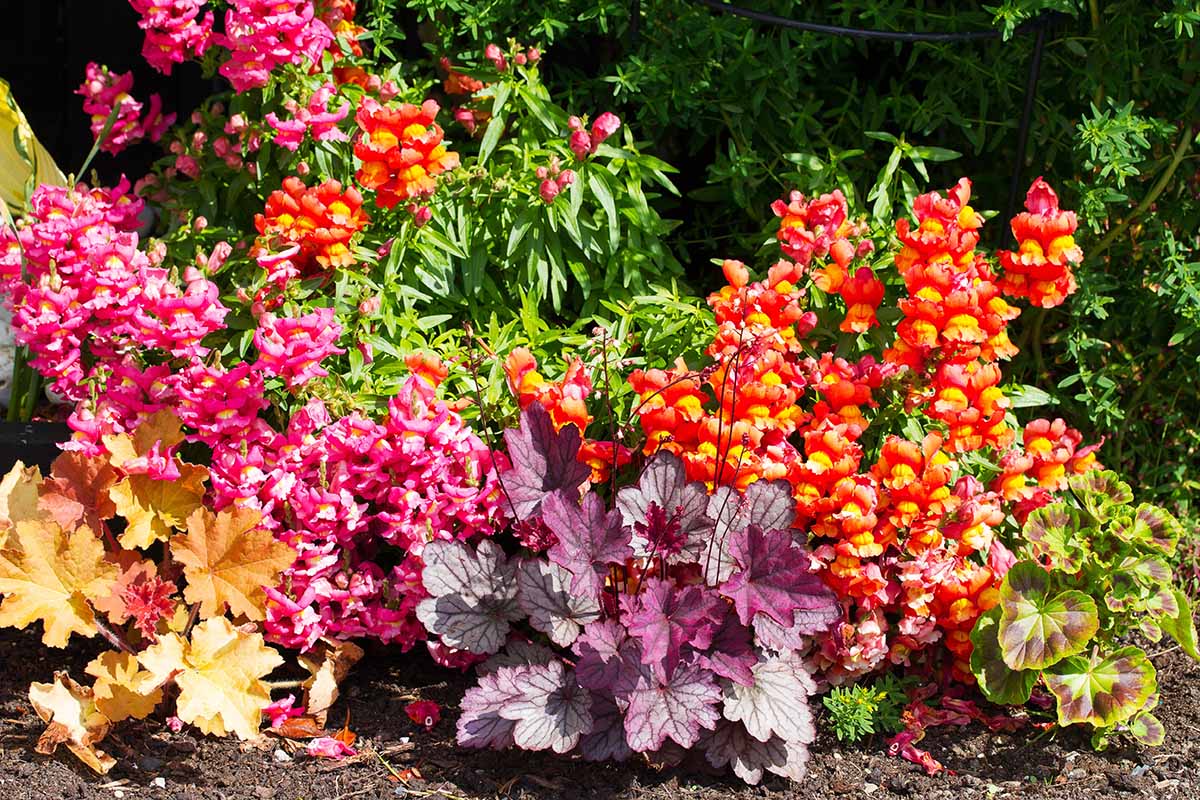
Spacing and grouping
Spacing is where “pretty in a pot” turns into “great in the ground.” Most coral bells mature into tidy mounds, but size varies a lot by cultivar.
- Typical spacing: 12 to 18 inches apart for most varieties.
- Small, compact types: 10 to 12 inches apart.
- Larger varieties: 18 to 24 inches apart, especially if you want each clump to read as its own color block.
For drifts, I like to plant in odd numbers, then leave just enough room for the mounds to touch at maturity. That is how you get the “woven” look instead of scattered dots.
Best companion plants
Because coral bells are low and tidy, they shine as edging, underplanting, and as the “color glue” between blooming perennials.
Part-sun companions
- Hosta: classic partner for texture contrast and shade structure
- Brunnera: silver leaves echo frosted Heuchera tones
- Ferns: soften the bed and add motion behind ruffled leaves
- Astilbe: feathery blooms with similar moisture preferences
- Bleeding heart (Dicentra): spring bloom plus cool-season foliage harmony
- Salvia (sunny part sun): choose reliable performers for brighter edges, like Salvia nemorosa where it gets several hours of sun
- Other vertical accents: foxglove (Digitalis), Japanese forest grass (Hakonechloa), or slender ornamental grasses for lift without demanding full sun
- Hydrangea (compact forms): Heuchera makes an excellent colorful skirt at the base
A quick design shortcut
Choose a coral bell that echoes a color already in your bed. If you have pink blooms, pull in a rosy or burgundy leaf. If you have blue flowers, silver foliage can make that blue look even cleaner. If everything is warm-toned, a caramel Heuchera keeps the palette cohesive.
Soil and planting
Coral bells want one thing more than anything: well-drained soil. They like consistent moisture, but they do not like sitting wet, especially in winter.
How to plant Heuchera
- Pick a spot with drainage: if puddles linger after rain, amend heavily or choose another area.
- Plant at the right height: set the crown so it is level with the surrounding soil, not buried.
- Loosen soil widely: a wide planting area helps roots establish outward.
- Water in well: then keep evenly moist through the first growing season.
If your soil is heavy clay, mixing in compost helps, but drainage is still the goal. In very wet climates or low areas, Heuchera often does better in a raised bed or slightly mounded planting area.
Frost heaving
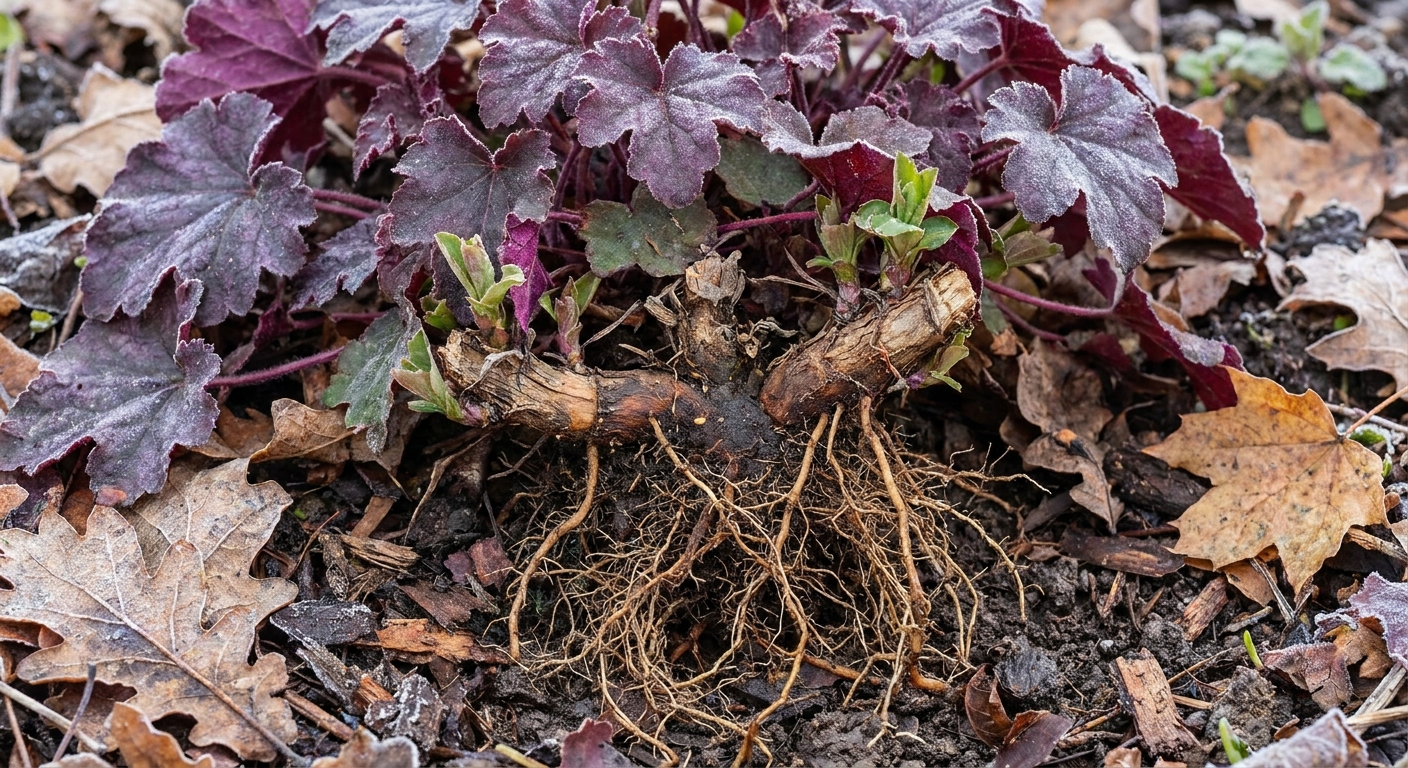
Frost heaving happens when repeated freeze-thaw cycles push a plant’s crown upward. Coral bells are especially vulnerable because they can slowly “creep” upward as they grow, leaving the crown more exposed over time.
How to prevent it
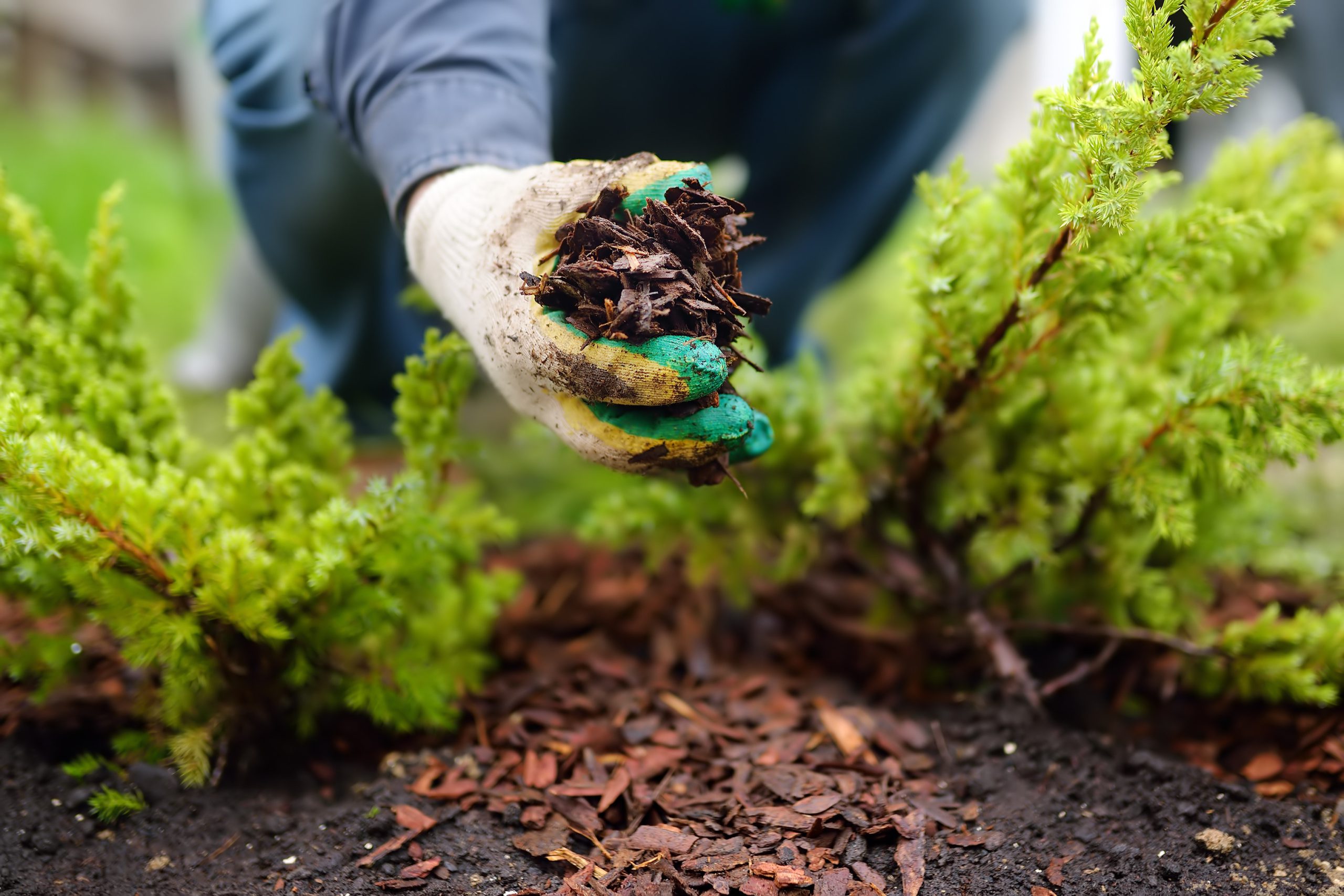
- Mulch after the ground freezes: this is key. A light, airy mulch layer (shredded leaves, pine needles, or straw) helps keep soil temperature more even. Mulching too early can keep the crown too warm and encourage rot.
- Keep crowns at soil level: when planting, resist the urge to bury the crown for “extra protection.” That usually backfires.
- Go into winter in good shape: keep plants adequately watered until the ground freezes, while still prioritizing drainage. Healthy roots tolerate winter stress better.
- Reset older clumps: every 3 to 4 years, lift and replant so the crown sits correctly again.
If your plant heaves
If you notice a coral bell crown sitting above soil in late winter or early spring, do not ignore it. On the first mild day when the soil is workable:
- Gently press the plant back into place and firm the soil around the roots.
- Add a thin layer of compost around the base, keeping the crown exposed.
- Water if the soil is dry.
If the plant is badly lifted or roots are exposed, it is often better to lift and replant it properly.
Year-round care
Spring
- Clean up lightly: trim off winter-damaged leaves, but do not scalp the plant.
- Top-dress: a thin ring of compost is usually enough. Heuchera do not need heavy feeding.
- Check crown height: reset any that have crept upward.
Summer
- Water during dry spells: especially in the first year. Consistent moisture keeps foliage lush.
- Deadhead flower stems: optional, but it tidies the plant and can encourage fresh leaves.
- Watch for scorch: if leaf edges crisp, provide more afternoon shade or adjust irrigation.
Fall
- Do not cut everything back hard: those leaves help protect the crown.
- Remove soggy debris: keep air moving to reduce crown rot risks.
Winter
- Mulch after freeze: aim for insulation, not warmth.
- Reduce drying and heaving: in windy spots, a little extra leaf mulch helps protect the crown from exposure.
Dividing older plants
If your coral bells look woody in the middle, or the leaves are smaller and less vibrant, it is often a sign the clump needs refreshing. I treat Heuchera like a perennial that appreciates an occasional reset.
When and how to divide
- Best timing: spring or early fall, when temperatures are mild.
- Method: lift the clump, gently pull or cut it into sections with healthy roots, trim away any woody or dead center pieces, then replant at correct crown height.
- Aftercare: water well and keep evenly moist for a couple of weeks.
Even if you do not “divide” into multiple plants, simply lifting and replanting at the proper depth can dramatically improve vigor.
Troubleshooting
Leaves turning crispy on the edges
- Likely cause: too much hot sun, drought stress, or wind exposure.
- Fix: shift to morning sun, water deeply during dry spells, and mulch to stabilize moisture.
Crown looks mushy or plant collapses
- Likely cause: crown rot from poor drainage or too-deep planting.
- Fix: improve drainage, replant higher, and remove rotted tissue if possible.
Plant keeps lifting out of the ground
- Likely cause: frost heaving in freeze-thaw winters, often worse when the crown has crept up with age.
- Fix: reset crown height, mulch after ground freeze, and lift and replant every few years.
Chewed notches in leaves
- Likely cause: weevils or other nighttime nibblers, depending on your area.
- Fix: hand-pick at night if you catch them, keep the area free of dense debris, and focus on overall plant health. Severe cases may need targeted control appropriate for your garden.
Plant looks fine, then suddenly declines
- Likely cause: root-feeding pests like vine weevil larvae can be a culprit in some regions, especially when the crown seems to detach from the roots.
- Fix: check the root zone when you lift the plant. Replant healthy divisions, improve growing conditions, and consider region-appropriate controls if you confirm a pest issue.
White film or spotting on leaves
- Likely cause: powdery mildew or leaf spot problems in humid, low-airflow areas.
- Fix: thin surrounding plants for airflow, water at the soil level, and remove heavily affected leaves.
Quick checklist
- Light: morning sun, afternoon shade is ideal for most varieties
- Soil: well-drained, evenly moist, not soggy
- Planting depth: crown at soil level, never buried
- Spacing: usually 12 to 18 inches, wider for large varieties
- Design tip: repeat the same variety in small drifts for a cohesive look
- Winter tip: mulch after the ground freezes to help prevent frost heaving
- Long-term care: lift and replant or divide every 3 to 4 years
FAQ
Do coral bells come back every year?
Yes. Coral bells are true perennials, and many common garden varieties are hardy roughly in USDA Zones 4 to 9. Exact hardiness depends on the cultivar and your winter conditions, especially drainage.
Should I cut coral bells back for winter?
I usually do not cut them back hard in fall. I remove damaged or messy leaves, but I leave most foliage in place to help protect the crown through winter. In spring, I tidy what winter has taken.
Can Heuchera handle full sun?
Some varieties can, especially in cooler regions, but full sun in hot climates often causes scorch and faded color. If you want them in a brighter spot, aim for morning sun and give them consistent moisture.
How many coral bells should I plant together?
For the nicest visual impact, plant in groups of three or five, then repeat that grouping elsewhere in the bed. Single plants can look a little lost unless they are used as small accents.