
Every fall, I get the same urge to “tidy everything up” before winter arrives. It feels productive, like tucking the garden into bed. But with perennials, the best winter prep is a mix of restraint and a few well-timed chores. Some plants truly appreciate a haircut and a cozy mulch blanket. Others do better left standing, both for their own protection and for the birds and beneficial insects that use our gardens as winter habitat.
This guide will help you decide what to cut back, what to leave, and how to mulch in a way that protects roots without inviting rot. (And because every garden is its own little microclimate, consider this a flexible plan. Adjust for your zone, your frost dates, and how wet or windy your winters are.)
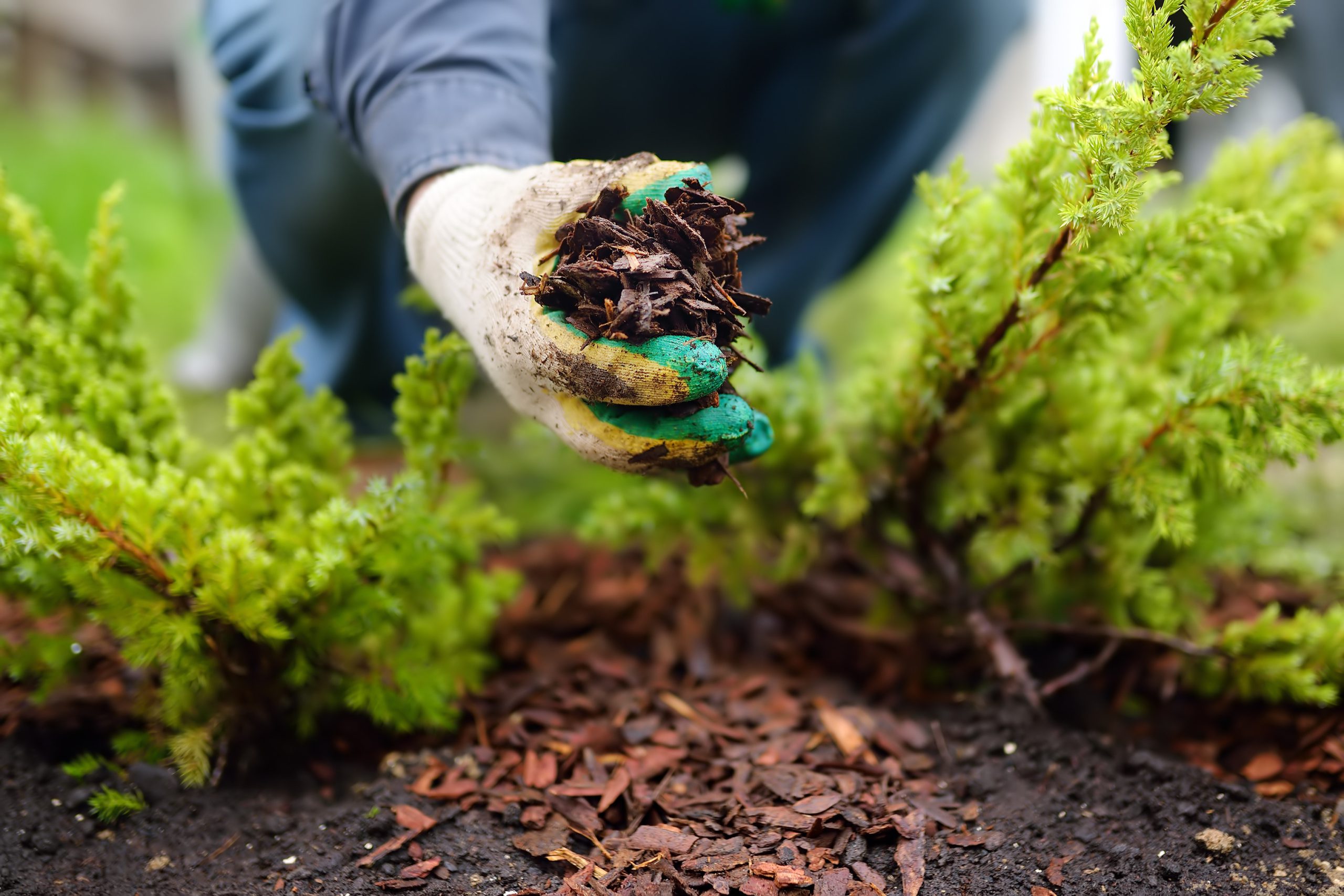
Before you cut: timing
In most gardens, it is best to wait until the first hard frost has knocked plants back before doing major cutbacks. That timing usually lines up with when the top growth looks tired, blackened, or fully collapsed.
- Too early (while plants are still actively growing): you can trigger tender new growth that gets zapped by cold and wastes the plant’s stored energy.
- Too late (after snow, heavy rain, or freeze-thaw cycles): stems can mat down, get slimy, and make cleanup harder, especially for disease-prone plants.
My rule of thumb: If nighttime lows are regularly below 40°F (4°C) and the garden is clearly slowing down, I start selective cleanup. I save the big “cut to the ground” jobs for after a killing frost, unless the plant is diseased.
Cut back or leave it
If you only remember one thing, let it be this: cut back plants that commonly harbor disease or turn to mush, and leave sturdy stems and seedheads that stay upright.
Usually best to cut back in fall
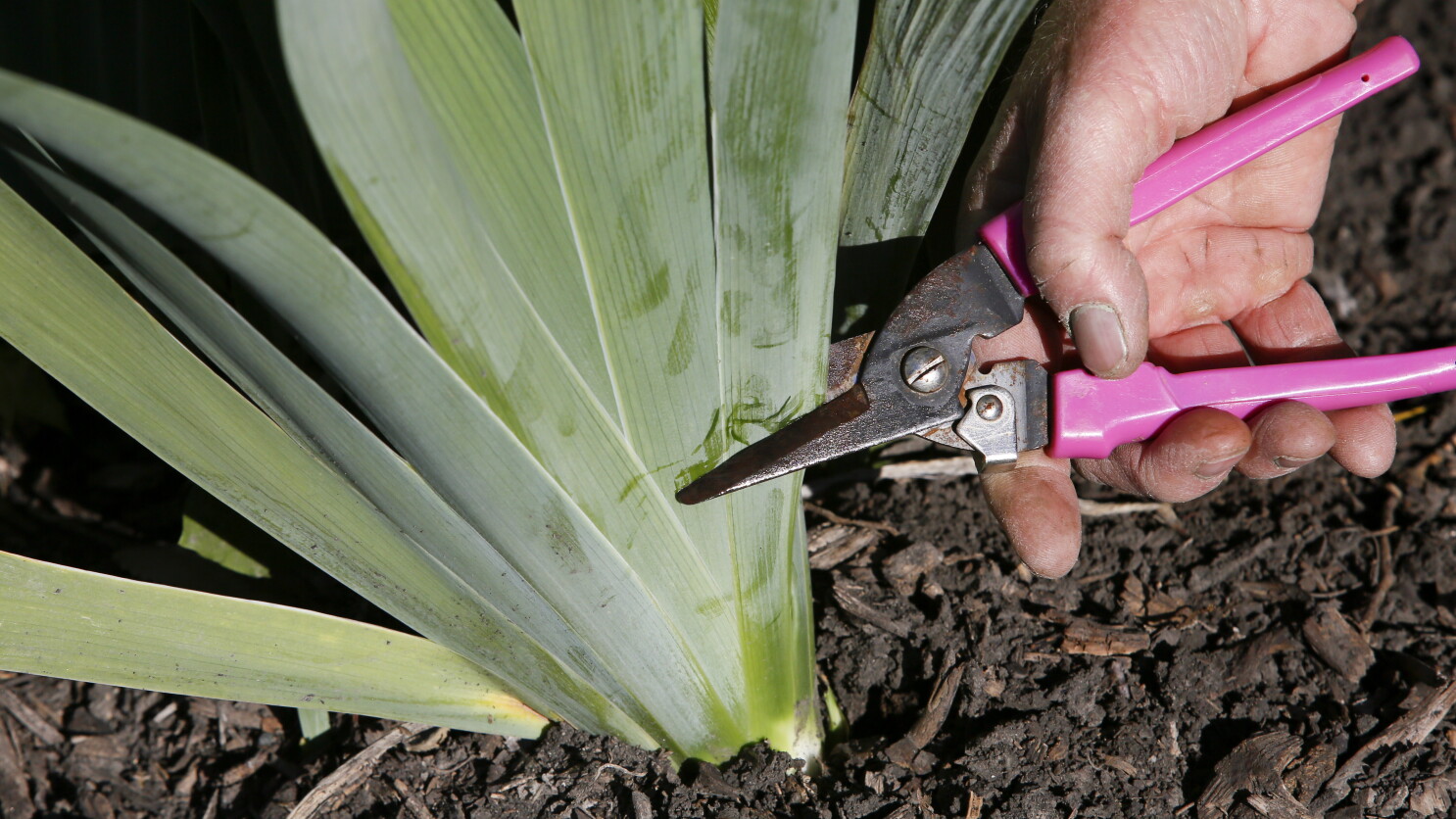
- Bearded iris (Iris germanica): Cut foliage back to 4 to 6 inches and remove any spotted leaves to help reduce rot and overwintering habitat for pests. If you have had borer trouble, fall is also a good time to inspect rhizomes and remove any soft or damaged pieces.
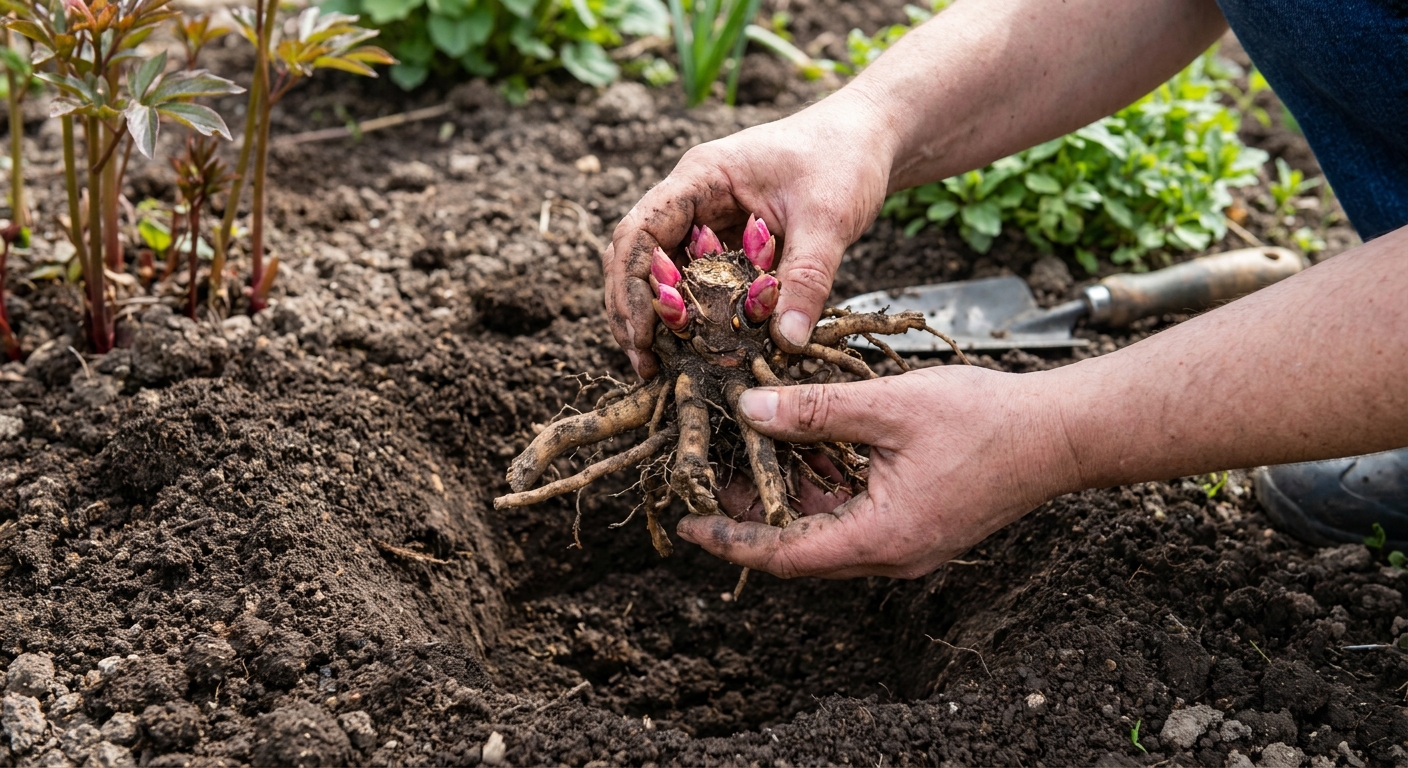
- Peonies: Cut to the ground after frost and remove all debris. This helps prevent botrytis and other fungal issues.
- Daylilies (Hemerocallis): Remove collapsing foliage, especially if you had leaf streak or rust.
- Hostas: Once foliage yellows and collapses, remove it to cut down on spring mess and reduce hiding places for slugs and other pests.
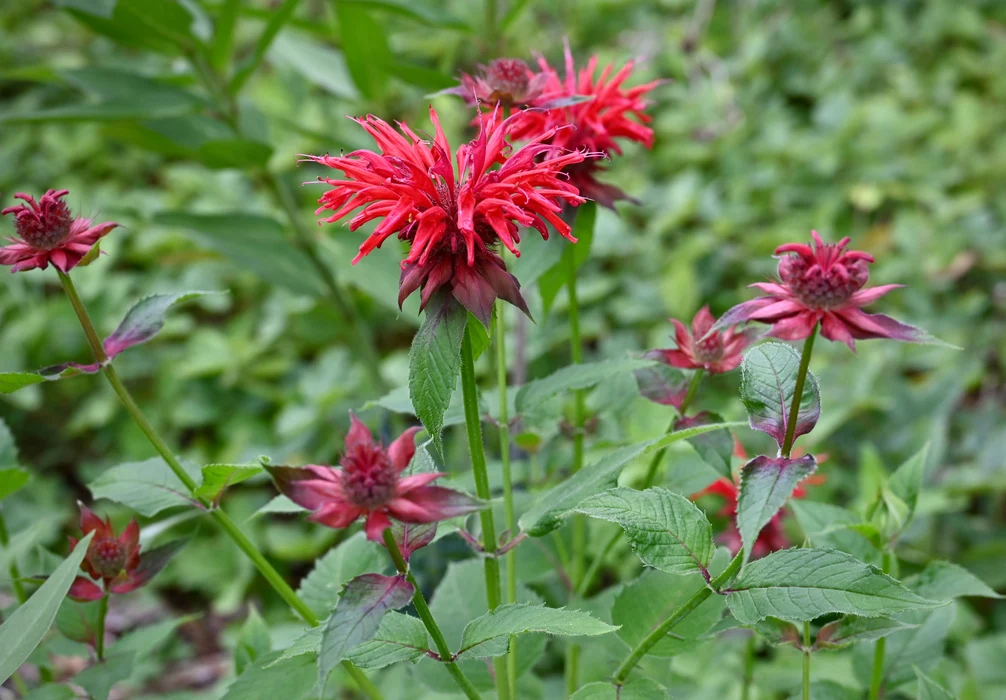
- Bee balm (Monarda): Prone to powdery mildew. Cut back and remove infected leaves and stems.
- Phlox (garden phlox): Also prone to mildew. Cut back and clean up thoroughly.
- Catmint (Nepeta): Often flops and mats. A fall cutback keeps crowns cleaner, especially in wet winters.
- Lady’s mantle (Alchemilla): Can turn into a wet blanket in winter. Cut back once it declines.
Often better left standing for winter
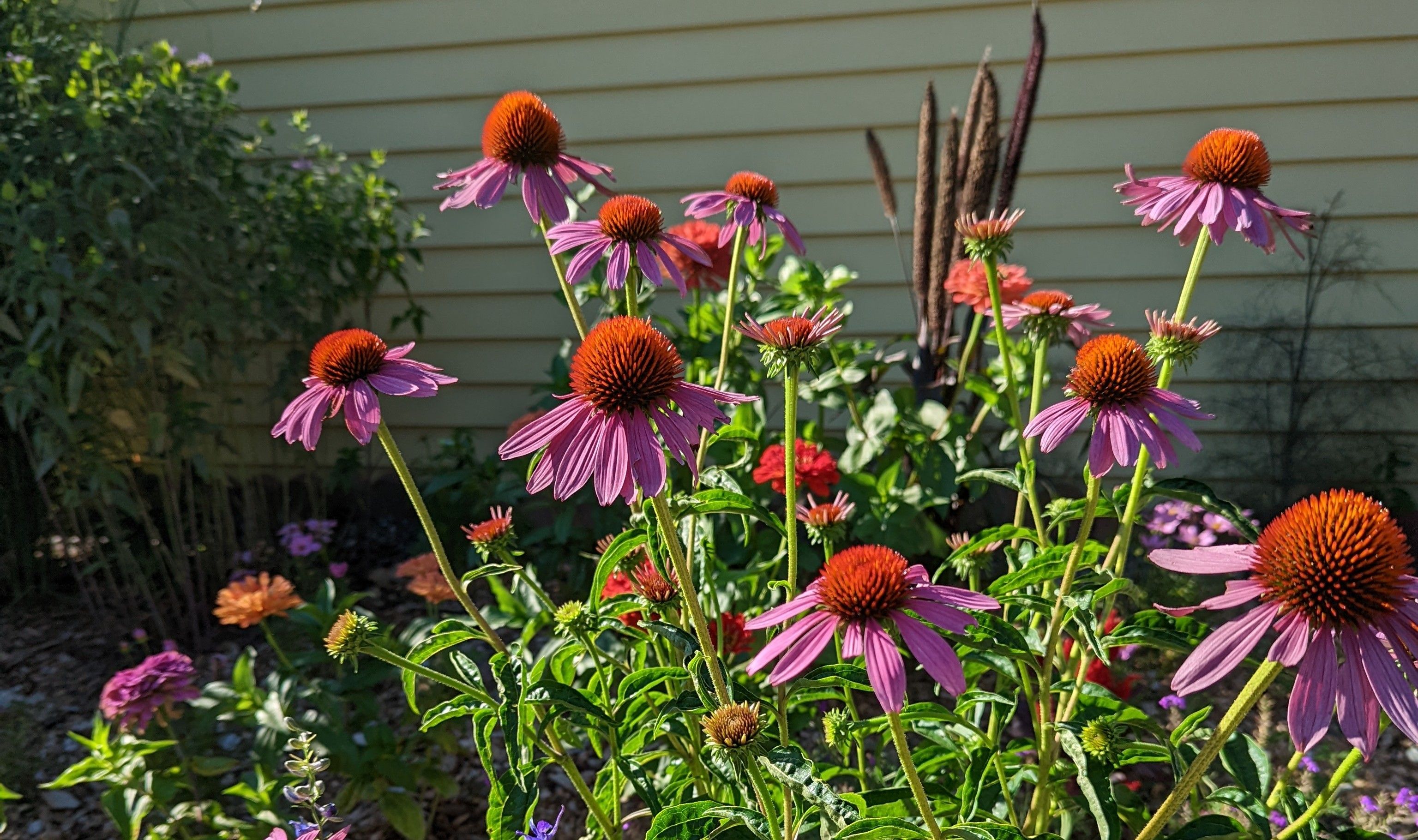
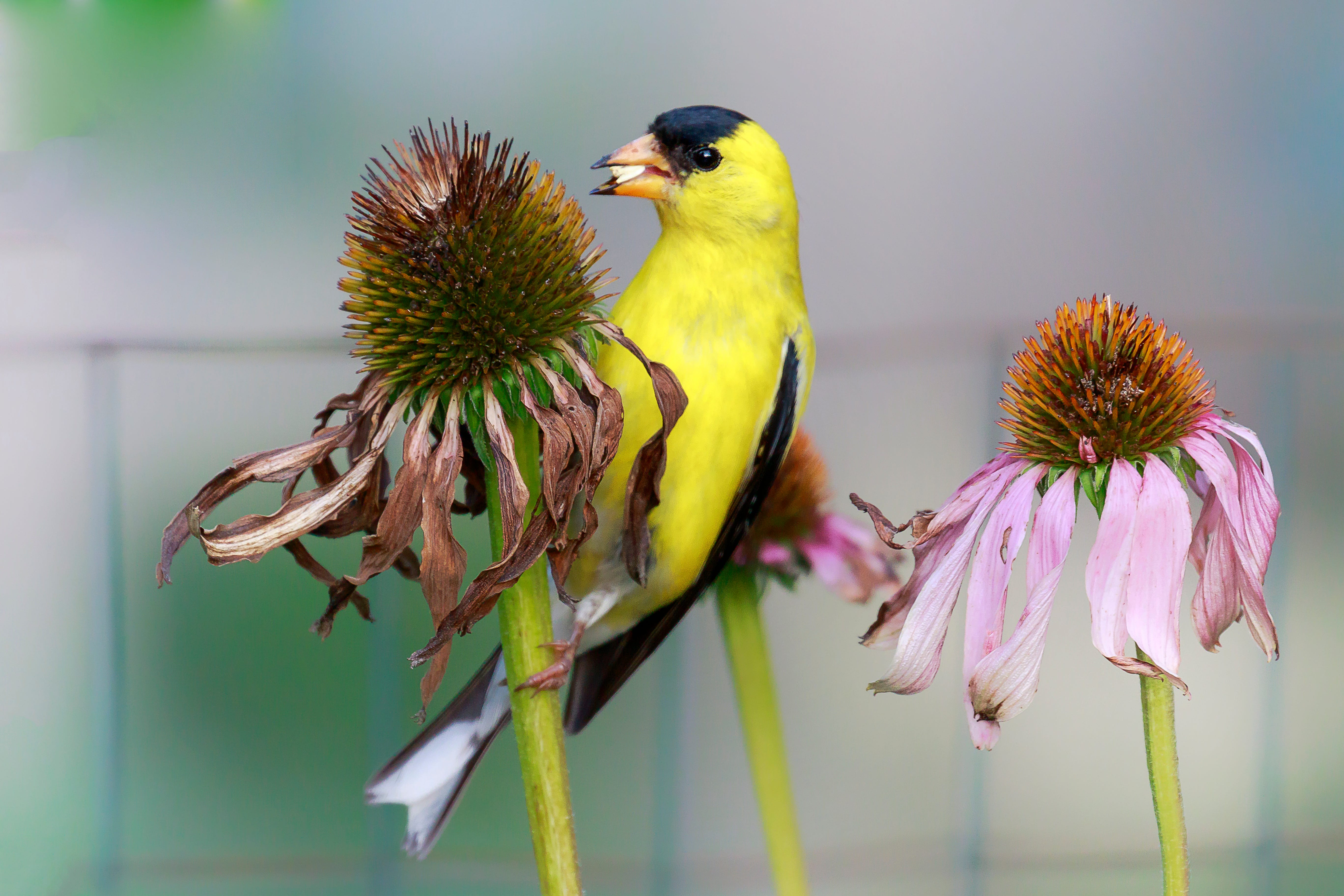
- Coneflower (Echinacea): Seedheads feed finches and stems add structure.
- Black-eyed Susan (Rudbeckia): Great winter seed source and sturdy stems.
- Sedum / stonecrop (Hylotelephium): Those dried flower heads look lovely under frost and help catch insulating snow.
- Ornamental grasses: Leave until late winter or early spring. Cutting in fall can expose crowns to cold and wet.
- Russian sage (Salvia yangii): Leaving stems can help protect the crown in cold, wet conditions. Cut back in spring once you see new growth.
- Yarrow (Achillea): Many gardeners leave it up for habitat and cut back in spring.
- Milkweed (Asclepias): Seed pods feed birds and stems provide overwintering sites for beneficial insects. If you must tidy, leave at least 12 to 18 inches of stem.
A gentle reminder: If you garden in a very wet winter climate, you may lean a bit more toward fall cleanup around crowns to prevent rot. If you garden where winters are dry and windy, leaving stems can help trap snow and reduce desiccation.
How to cut back
Cutting back is simple, but a few small habits make a big difference.
Tools and hygiene
- Use sharp pruners or garden shears. Clean cuts heal more cleanly and are less likely to encourage dieback.
- If you are cutting back anything diseased, wipe blades between plants with rubbing alcohol or a disinfectant wipe.
- Skip composting visibly diseased material. Bag it or dispose of it, depending on local rules.
How far down to cut
- Most herbaceous perennials: cut stems back to 2 to 4 inches after a killing frost.
- Plants you are leaving for habitat: you can do a “half tidy” by removing only broken, mildewed, or flopped stems and leaving the rest standing.
- Basal rosettes (low leaf clusters): Avoid cutting into the crown. Think “trim around,” not “buzz cut.”
Keep crowns breathing
The crown is the growing point at soil level. Many winter losses happen when crowns sit in cold, wet mulch or soggy debris. After you cut back, make sure the crown area stays airy and not buried under matted leaves.
Mulch: what it does
Mulch is not just about warmth. In winter, its biggest job is reducing freeze-thaw cycles. Those temperature swings can heave shallow-rooted plants right out of the ground, especially in exposed beds.
When mulch helps most
- Newly planted perennials from late summer or fall
- Marginally hardy plants you are pushing in your zone
- Shallow-rooted or heave-prone plants
- Exposed beds with winter wind and strong sun
When mulch can backfire
- Warm fall weather plus heavy mulch can hold too much moisture around crowns.
- Mulching too early can create a cozy hiding place for rodents that chew stems and crowns.
- Thick, soggy layers can lead to rot, especially in clay soils and rainy winters.
Best timing: Apply winter mulch after the ground begins to cool and you have had a couple of hard frosts, but before a sustained freeze. You want plants to be dormant first.
Best mulch materials
In my own beds, the “best” winter mulch is whatever insulates without matting into a wet carpet.
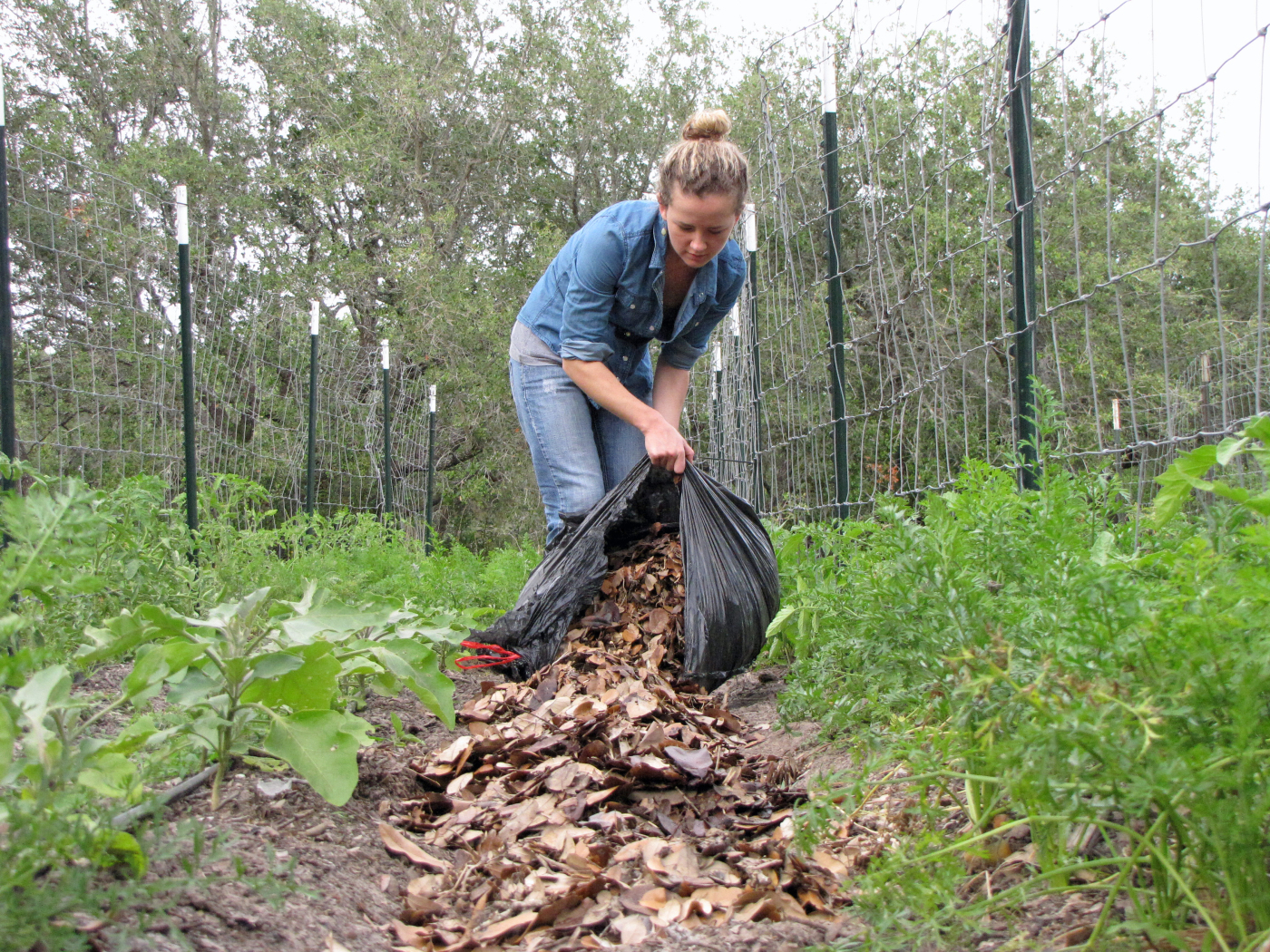
- Shredded leaves: My favorite. They interlock but still breathe, and they improve soil as they break down.
- Pine needles: Light, airy, and great for drainage. Wonderful around crowns that hate winter wet.
- Straw (not hay): Excellent insulation, especially for tender crowns. Use clean straw to avoid weed seeds.
- Evergreen boughs: A classic for windy sites. They shade and reduce drying winter winds, then can be removed in spring.
What I avoid for winter protection: thick layers of unshredded whole leaves (they mat), and heavy compost piled directly on crowns (it can stay too wet). Compost is wonderful, just use it as a thin soil-building layer, not a deep winter blanket.
One more nuance: leaving some leaf litter in the garden is genuinely helpful for overwintering insects. I just keep it out of the “center” of plants, so crowns do not sit under a wet cap.
How to mulch
- Weed and tidy first. Pull fall weeds and remove diseased foliage so you are not sealing problems under mulch.
- Water if the soil is dry. Perennials going into winter drought-stressed are more vulnerable, especially in windy or low-snow winters. Give a deep soak before the ground freezes if rain has been scarce.
- Wait for dormancy. After a couple of hard frosts, plants have gotten the message.
- Apply 2 to 3 inches for most perennials. That is usually enough insulation for established plants.
- Use 3 to 6 inches only when it stays airy. For newly planted or extra-tender perennials, a thicker layer can help, but I only go that deep with light materials (like straw or pine needles) and good drainage. In wet winter climates, err closer to 3 inches to avoid smothering.
- Keep mulch off the crown. Leave a small donut-shaped gap around the plant’s base so air can circulate.
- Anchor in windy spots. A light layer of pine needles or a few evergreen boughs over shredded leaves can keep things from blowing away.
If you are a visual thinker, aim for a mulch layer that looks like a fluffy quilt, not a packed mattress.
Plants needing extra help
Some perennials are fully hardy in many regions, but still benefit from heavier mulch in specific situations: late planting, poor drainage, exposed sites, or when you are growing them at the edge of their hardiness.
- Lavender: More often killed by winter wet than cold. Improve drainage and use a light, airy mulch like pine needles, keeping it off the crown.
- Hardy mums: Mulch after the ground cools. They are prone to heaving, especially when newly planted.
- Gaura (Oenothera lindheimeri, syn. Gaura lindheimeri): Needs sharp drainage and can benefit from a protective, airy mulch in colder zones.
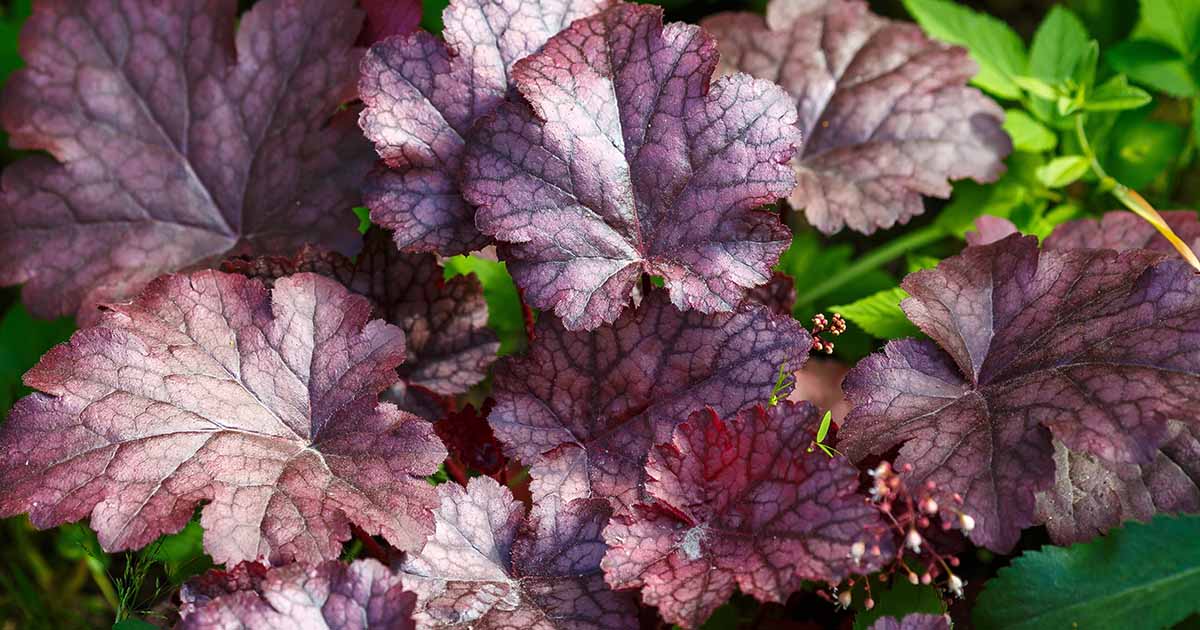
- Heuchera (coral bells): Notoriously prone to heaving. Tuck mulch around, but do not bury the crown.
- Kniphofia (red hot poker) and other borderline hardy perennials: Mulch heavily in cold zones and consider adding evergreen boughs for wind protection.
- Fall-planted divisions and young plants: Even very hardy perennials appreciate a thicker mulch their first winter.
If you are not sure whether a plant is borderline in your area, check the plant tag hardiness range and err on the side of light, breathable protection plus good drainage.
Leave some for wildlife
Leaving a little “mess” is one of the kindest things you can do in fall. Hollow and pithy stems are used by native bees. Seedheads feed birds. Leaf litter shelters overwintering beneficial insects that help with pests next year.
Balance tidy and habitat
- Leave stems in the back of the bed and tidy the front edge where you see it most.
- Cut tall stems to 12 to 18 inches instead of all the way down. Birds still get seeds, and bees still get stems.
- Create one “wild corner.” Even a small patch left standing can make a difference.
I like to remind myself that winter gardens are not supposed to look like summer gardens. A few silhouettes and seedheads are part of the season, and they are beautiful in their own quiet way.
Common mistakes
- Mulching too early: It can keep crowns too warm and wet. Wait for hard frosts.
- Piling mulch like a volcano: Smothered crowns are a fast track to rot. Keep that donut gap.
- Cutting everything to the ground: You lose free insulation, snow-catching structure, and wildlife value.
- Ignoring drainage: If water sits in your bed in winter, focus first on improving drainage with compost, regrading, or raising the bed. Mulch cannot fix a soggy site.
- Forgetting to water in a dry fall: The goal is not to stop the ground from freezing. It is to prevent winter drought stress and help roots head into cold weather well-hydrated.
Late winter and early spring
Winter prep does not end in fall. The reveal matters too.
- Do not rush to remove mulch during the first warm spell. Let the soil thaw gradually to avoid waking plants too early.
- Pull mulch back from crowns once you see consistent new growth.
- Cut back what you left standing in late winter or early spring before new shoots get tall. This is when I cut ornamental grasses and tidy up coneflowers and rudbeckias.
FAQ
Should I cut back perennials in fall or spring?
Do a mix. Cut back disease-prone plants and anything that collapses into a wet mat in fall. Leave sturdy stems and seedheads for winter interest and habitat, then cut those back in late winter or early spring.
How thick should winter mulch be over perennials?
For established plants, 2 to 3 inches is usually plenty. For newly planted or borderline hardy perennials, 3 inches is often enough, and you can go thicker only with very airy materials (like straw or pine needles) and good drainage. In wet climates, a lighter hand usually wins.
Can I use leaves as mulch?
Yes, and they are excellent. Shred them first if you can. Whole leaves tend to mat and can trap too much moisture around crowns.
When is the best time to mulch for winter?
After the garden has experienced a couple of hard frosts and plants are dormant, but before the ground freezes solid. That timing helps prevent rot and discourages rodents from settling in early.