
Echinacea, better known as coneflower, is one of those perennials that earns its keep. It laughs at heat, handles dry spells once established, and pulls in bees and butterflies like it is hosting a neighborhood block party. If you have ever wanted a flower bed that looks cheerful without needing daily attention, this is a great place to start.
That said, there are a few small choices that make a big difference, especially in the first year. Plant it in the right light, avoid overly rich soil, water deeply while it settles in, and use deadheading strategically. Do that, and you will get sturdier plants, more blooms, and happier pollinators.
Meet echinacea
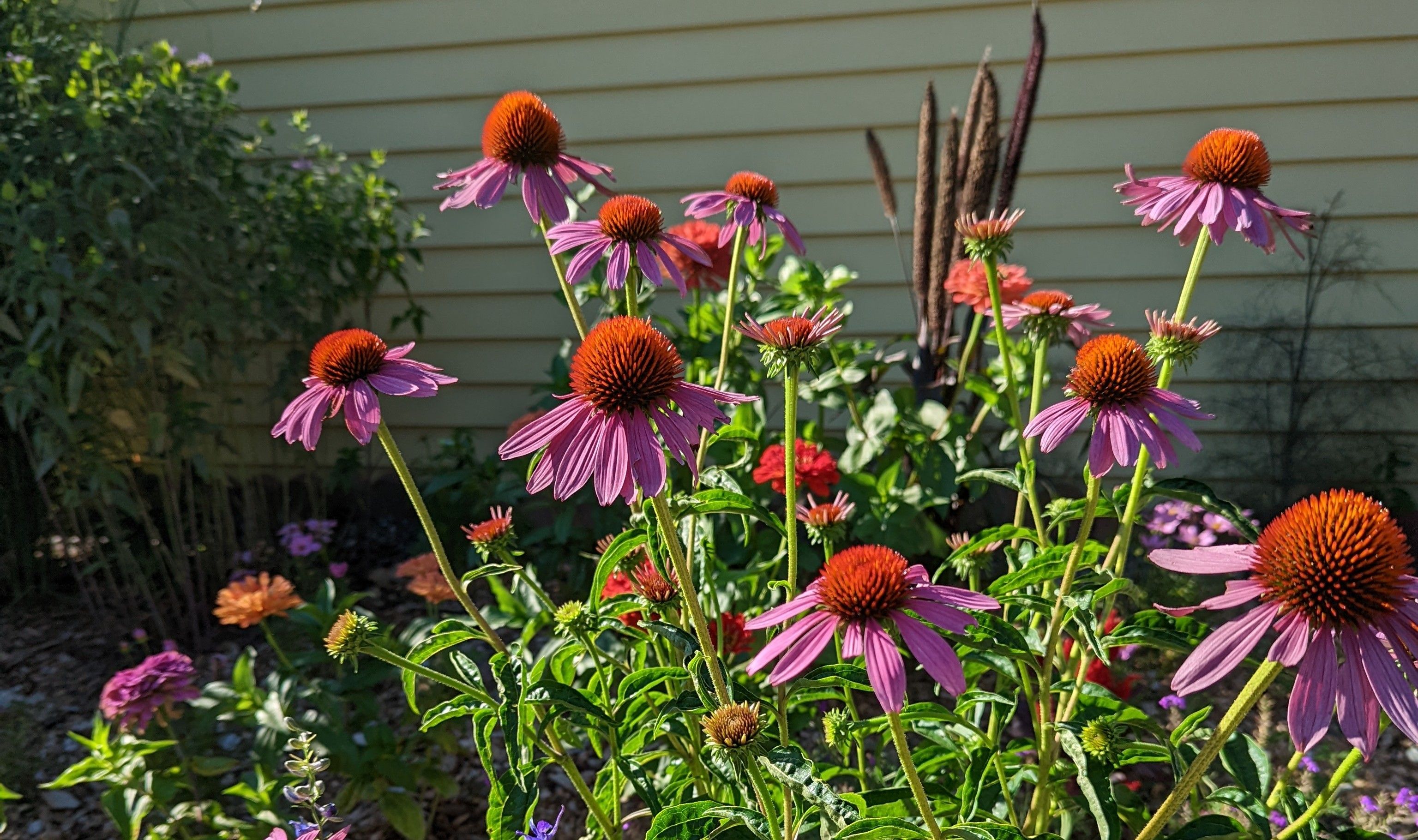
Many garden coneflowers are varieties of Echinacea purpurea and close relatives like Echinacea pallida and Echinacea paradoxa. A big share of modern plants, especially the extra-bright colors, are hybrids that mix traits from several species. They are North American natives, which helps explain their toughness and their value to wildlife.
- Bloom time: Usually early to mid-summer through early fall, depending on variety and deadheading.
- Height and spread: Commonly 2 to 4 feet tall and 1.5 to 2.5 feet wide.
- Light: Full sun is best. Light shade can work, but you will often see fewer blooms and floppier stems.
- Why gardeners love it: Drought tolerance, long bloom season, strong pollinator pull, and good winter hardiness in many regions.
One quick reality check: not every coneflower behaves the same. Some newer doubles and complex hybrids can be shorter-lived, especially in winter-wet gardens. If your goal is longevity and maximum pollinator value, simple single-flowered types are often the most reliable.
Best growing conditions
Sunlight
If you want coneflowers covered in blooms, give them 6 to 8 hours of direct sun. In very hot climates, a little afternoon shade is fine, but too much shade usually leads to lanky plants and fewer flowers.
Soil (average is perfect)
Echinacea is at its best in well-draining soil that is not overly rich. Gardeners sometimes pamper it with lots of compost and fertilizer, and then wonder why it grows tall and flops or seems short-lived.
- Drainage matters most: Soggy winter soil is a bigger threat than summer drought.
- Texture: Loam and sandy loam are ideal. Clay can work if you improve drainage.
- pH: Slightly acidic to neutral is generally fine.
If your soil is heavy clay, focus on structure more than feeding. Mix in compost modestly, and consider planting on a slight berm or raised bed so water does not sit around the crown.
Spacing and airflow
Give most coneflowers 18 to 24 inches between plants. Good airflow helps reduce leaf spots and keeps stems sturdier.
How to plant echinacea
You can plant coneflowers from nursery pots, bare root divisions, or seed. Nursery plants are the fastest route to blooms, and they are what most gardeners start with.
When to plant
- Spring: Great for most zones. Plants establish before summer heat.
- Early fall: Also excellent where autumn stays mild long enough for roots to settle in.
Aim for a window when the soil is workable and you can water for a few weeks as needed.
Planting a potted coneflower
- Pick the sunniest spot you have. More sun equals more flowers.
- Check drainage. If water puddles for hours after a rain, choose a higher spot or amend for better drainage.
- Dig a wide hole, not a deep one. About 2 times as wide as the pot is plenty.
- Plant at the same depth it was in the pot. Keep the crown level with the surrounding soil. Planting too deep can lead to rot.
- Backfill and firm gently. You want good root to soil contact without compacting hard.
- Water deeply. Then add a thin mulch layer, keeping mulch a couple inches away from the crown.
Starting echinacea from seed
Seed is slower, but it is satisfying, and it is a great way to grow classic species types. Echinacea seeds typically germinate best with a cold period.
- Easy method: Sow outdoors in late fall or winter, and let nature handle the cold stratification.
- Indoor method: Chill seeds in a sealed bag with a slightly damp paper towel in the refrigerator for a few weeks, then sow under lights.
Seed-grown plants may not bloom heavily in year one, but they often settle in beautifully by year two.
Watering
Coneflowers are drought-tolerant, but not instantly. The key is deep watering early on, then letting them become independent.
Year 1 (establishment)
- Water deeply 1 to 2 times per week if you are not getting regular rain.
- Let the top inch or two of soil dry between waterings.
- Avoid frequent shallow sprinkles. They encourage shallow roots.
Year 2 and beyond
- In many gardens, rainfall is enough.
- Water during prolonged heat or drought, especially if plants show wilting in the morning.
One gentle caution: coneflowers can wilt a bit in intense afternoon heat and recover by evening. That does not always mean they need watering. Morning wilt is the better signal that they are truly thirsty.
Fertilizing
If your coneflower is planted in decent garden soil, you often do not need fertilizer. Too much nitrogen can mean lush leaves and fewer blooms.
- In average beds: Skip fertilizer, or top-dress with a light layer of compost in spring.
- In very poor, sandy soil: A balanced, slow-release fertilizer in spring can help, but keep it modest.
- In containers: Use a gentle, balanced feed during active growth, since nutrients wash out faster.
Deadheading and pruning
Deadheading is where you can really steer your coneflower’s performance. You have two good options, depending on whether your priority is nonstop bloom or feeding birds later on.
Deadhead for more blooms
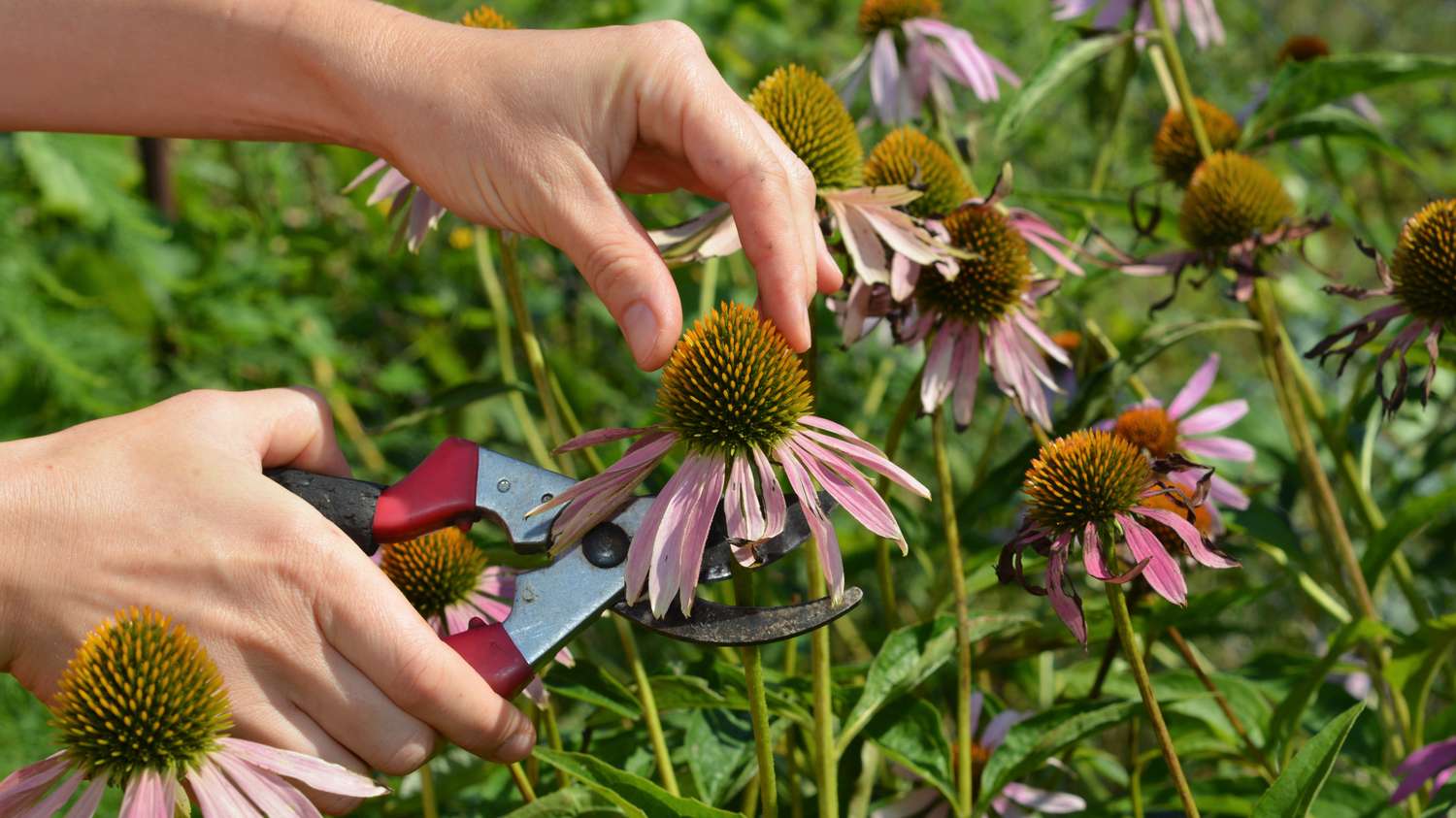
When a flower fades, snip the stem back to just above a leaf set or a side bud. This encourages branching and more blooms.
- Best timing: Check plants once a week during peak bloom.
- Best tool: Clean snips or pruners for tidy cuts.
Leave seed heads for birds
If you stop deadheading later in the season, coneflowers will form seed heads that often attract finches, especially goldfinches. I like to deadhead early and mid-season, then let the late-summer blooms go to seed.
Early summer cutback (optional)
If your plants get leggy or you want a later flush of blooms, you can cut stems back by about one-third in late spring to early summer, before buds are well developed. This can delay flowering slightly but often leads to sturdier, bushier growth.
Keeping stems upright
Most modern coneflowers have fairly strong stems, but they can still flop if they are grown in too much shade, over-fertilized, or hit with heavy rain.
- Start with sun: Full sun is the easiest staking you can do.
- Avoid high-nitrogen fertilizer: It can produce soft growth.
- Use discreet support early: A grow-through ring or a few twiggy branches placed around the clump in late spring can hold stems naturally.
Zone-specific advice
Echinacea is widely hardy, but winter wetness and summer humidity can matter as much as the number on the zone map. Species and cultivar choice matters too, and some fancy doubles can be less forgiving in cold, wet winters. Here is how I adjust care across different conditions.
Cold winters (Zones 3 to 5)
- Leave stems standing over winter if you like, then cut back in early spring. The stems catch snow and protect crowns.
- Mulch lightly after the ground freezes if you have freeze-thaw cycles with little snow cover.
- Prioritize drainage so crowns do not sit wet under snowmelt.
Middle zones (Zones 6 to 7)
- Spring or early fall planting both work well.
- Watch humidity by spacing plants for airflow and watering at soil level.
- Deadhead early, leave seed heads later for the easiest long season of interest.
Hot summers and mild winters (Zones 8 to 10)
- Give morning sun with a little afternoon shade in very hot inland areas, if plants look stressed.
- Water deeply during extended heat even on established plants.
- Keep crowns dry in winter if your region gets cool, wet winters. Raised beds can help a lot.
Dividing echinacea
Some perennials beg to be divided every few years. Coneflowers are not always in that category. Many echinacea plants prefer to be left alone, and frequent dividing can set them back.
Divide only when you need to, such as when the center dies out or the clump has clearly outgrown its space.
- Best time: Early spring is usually easiest on the plant.
- How often: Every 4 to 6 years, or less, depending on growth.
- Tip: Take a sharp spade and replant divisions promptly at the same depth.
Common problems
Flopping
- Cause: Too little sun, too much nitrogen, crowded plants.
- Fix: Move to more sun, reduce feeding, space properly, try an early support ring.
Powdery mildew or leaf spot
- Cause: Humidity and poor airflow.
- Fix: Thin crowded plants, water at the base, remove heavily affected leaves, avoid overhead watering late in the day.
Japanese beetles and aphids
- What you will see: Beetles skeletonizing petals and leaves, or aphids clustering on tender tips.
- Simple fixes: Hand-pick beetles in the morning into soapy water, blast aphids off with a strong spray, and avoid over-fertilizing (soft growth is an invitation).
Aster yellows (rare, but serious)
If flowers look distorted or greenish and growth seems twisted, it can be aster yellows, a disease spread by leafhoppers. Unfortunately, there is no cure.
- What to do: Remove and discard the plant promptly to reduce spread.
- Prevention: Keep weeds down and encourage a diverse, healthy garden ecosystem.
Not blooming well
- Cause: Not enough sun, rich soil or excess fertilizer, too much shade, or the plant is still settling in.
- Fix: Increase sun exposure, ease up on feeding, deadhead spent blooms, and be patient through year one.
Winter care
You can do either, and your choice can be based on the look you like in winter.
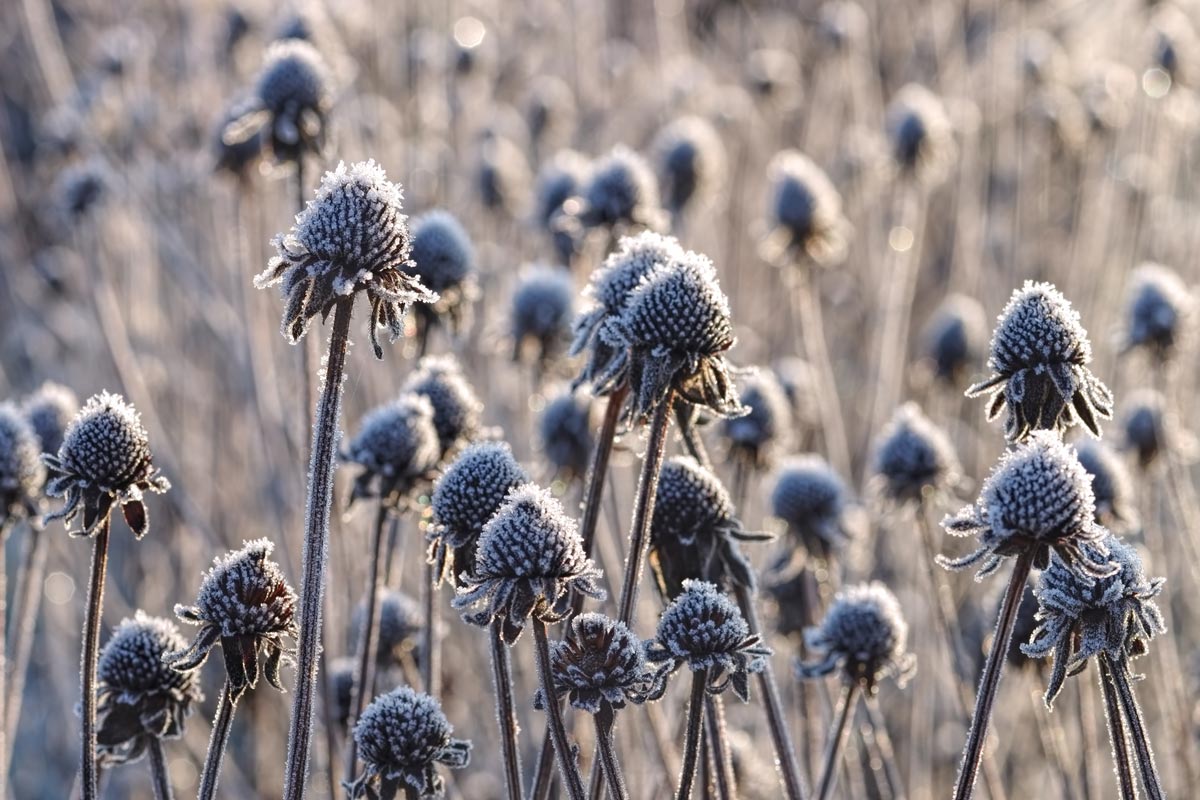
- Leave standing: Seed heads feed birds and add structure. Cut back in early spring before new growth takes off.
- Cut back in fall: Tidier beds and fewer places for pests to overwinter, especially in very humid regions.
If you cut back, leave an inch or two of stems so you can still see where the crown is and avoid accidentally stepping on it.
Companion plants
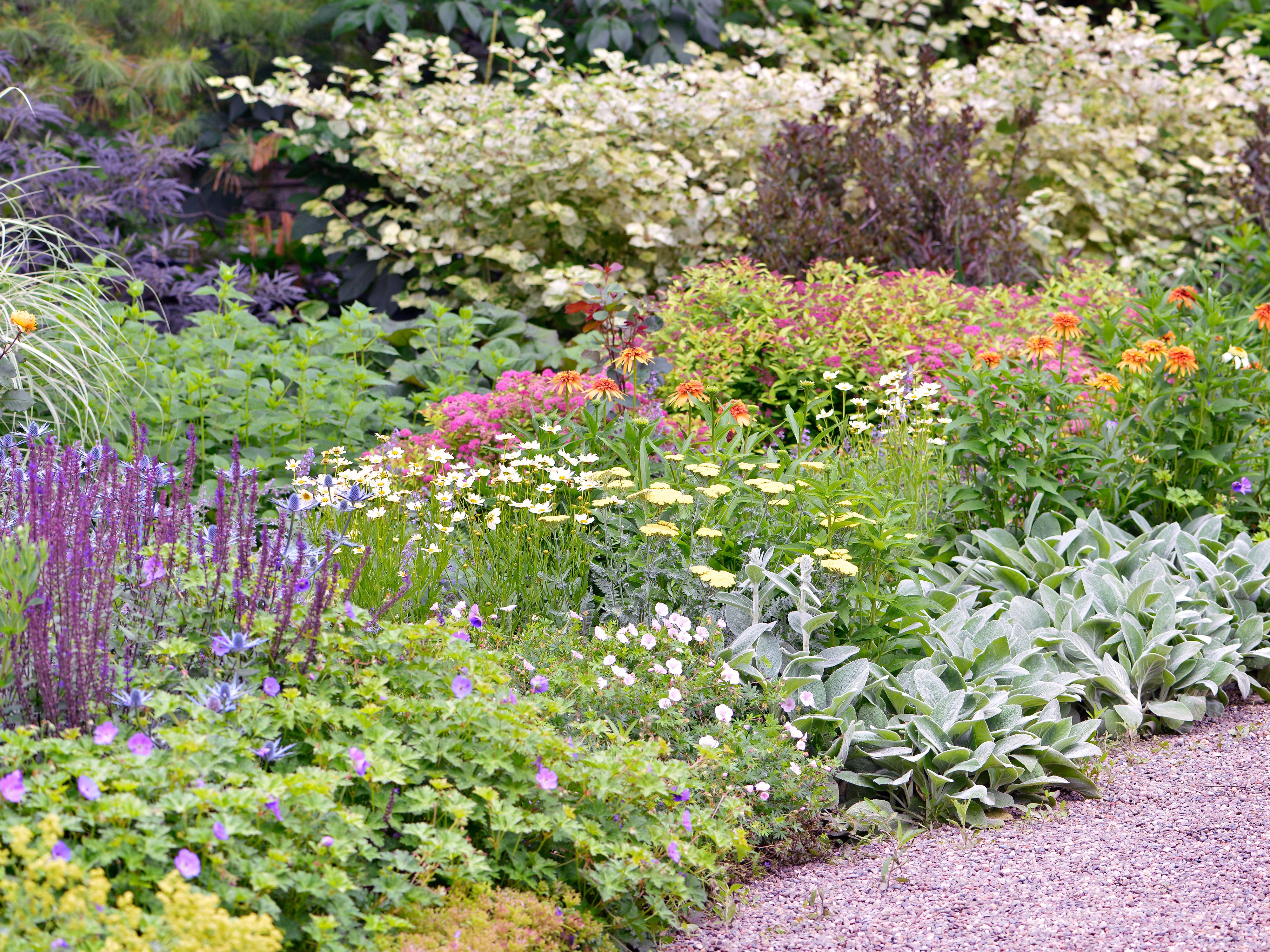
Part of echinacea’s charm is how easily it blends into a mixed perennial bed. I like pairing it with plants that enjoy the same sunny, well-drained conditions.
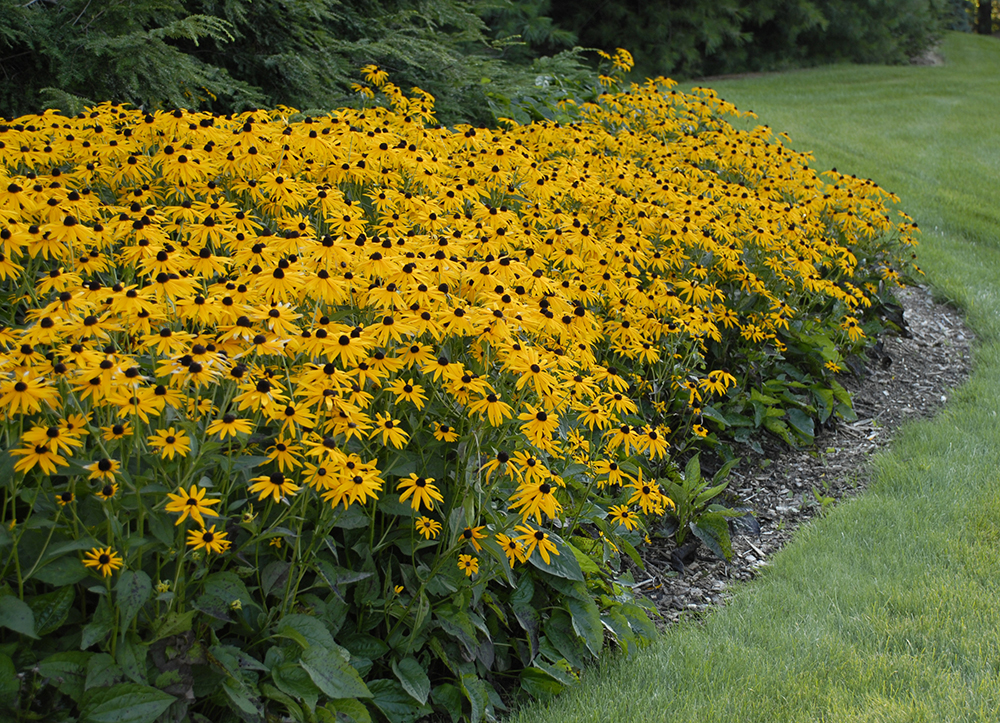
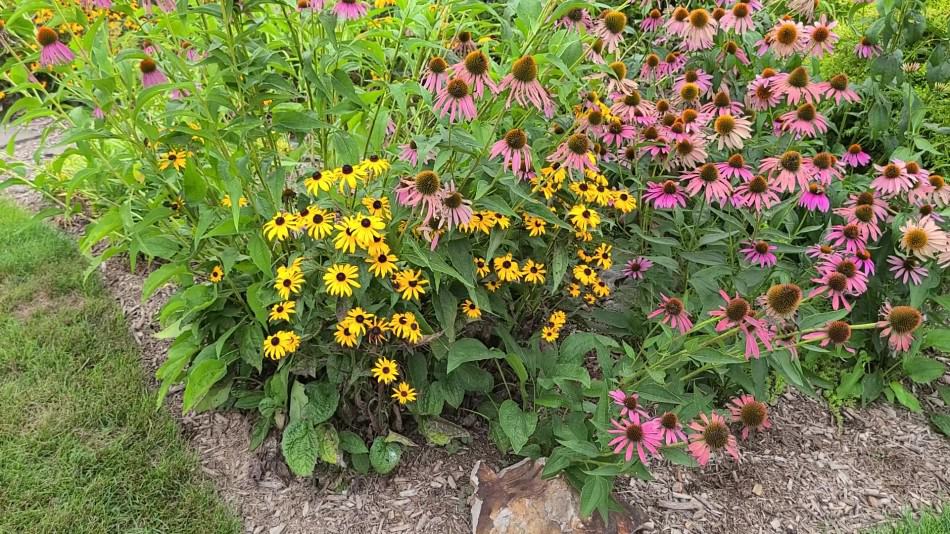
- For long-season color: black-eyed Susans (Rudbeckia), coreopsis, salvia, catmint (Nepeta)
- For texture and movement: little bluestem, switchgrass, fountain grass (choose varieties appropriate for your region)
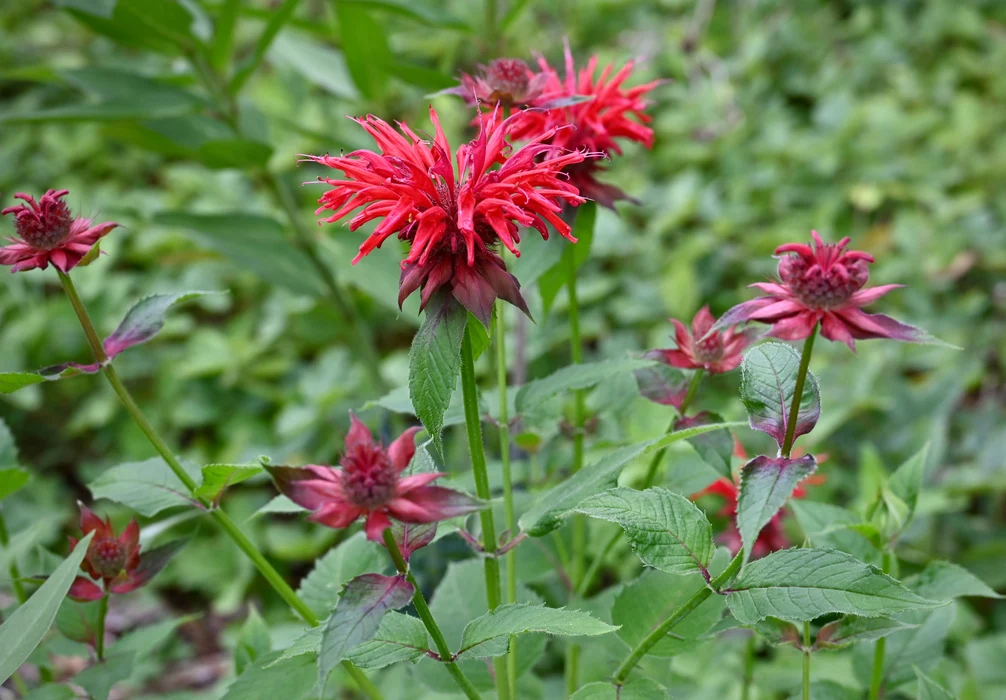
- For pollinators: bee balm (Monarda), yarrow, blazing star (Liatris)
- For softer edges: hardy geraniums, creeping thyme in sunny borders
Quick-start checklist
- Plant in full sun (6 to 8 hours).
- Prioritize drainage over richness.
- Water deeply in year one, then taper.
- Deadhead early for more blooms, leave seed heads later for birds.
- Space plants for airflow.
- Go easy on fertilizer.
FAQ
Does echinacea come back every year?
Yes. Coneflowers are perennials and should return for many years when planted in sun with well-draining soil. Longevity can vary by cultivar, and simple singles often outlast some newer doubles in winter-wet spots.
How long does echinacea take to establish?
Expect the first year to be about root building. You often get some blooms, but the plant typically hits its stride in year two.
Should I mulch coneflowers?
A thin layer helps with moisture and weeds, especially in year one. Keep mulch pulled back from the crown to avoid rot.
Can I grow echinacea in a container?
Yes, as long as the pot has excellent drainage and is large enough to stay stable. Use a gritty, well-draining potting mix and water when the top few inches dry out. In cold zones, containers may need winter protection because roots are less insulated above ground.
Do I need to divide coneflowers to keep them blooming?
Not usually. If the clump is healthy and blooming well, let it be. Divide only when it becomes crowded or the center declines.
Are double coneflowers good for pollinators?
Some doubles offer less accessible nectar and pollen than singles. If pollinators are your top priority, mix in plenty of single-flowered types.