
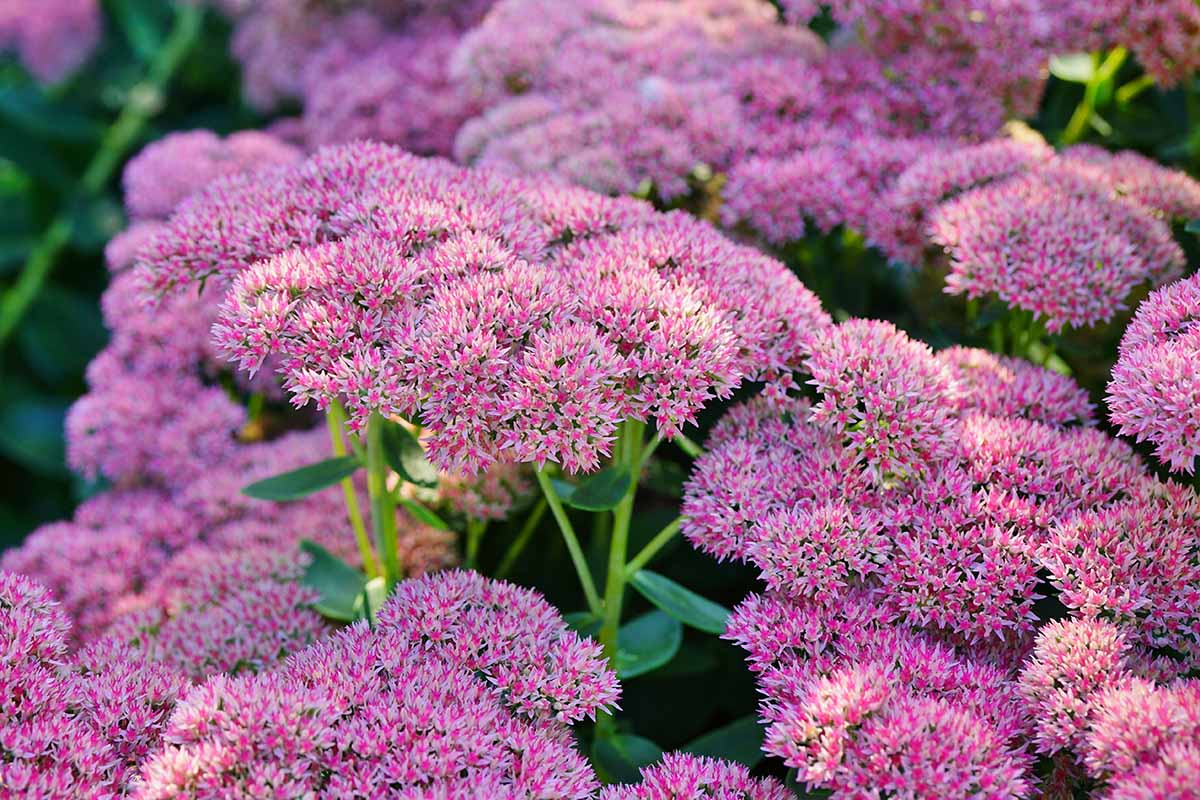
There are a few perennials I plant when I want peace of mind. Autumn Joy sedum is one of them. It shows up reliably, shrugs off dry spells once it is settled in, and saves its best color for that moment when the garden starts to look tired. In late summer the flower heads swell into soft pink clusters, then deepen into rosy copper and rusty red as nights cool. If you have ever wished your beds had a strong “finale” without extra fuss, upright sedums are the answer.
Quick profile
- Botanical name: Hylotelephium ‘Autumn Joy’ (syn. Sedum ‘Autumn Joy’)
- Type: Herbaceous perennial succulent
- Hardiness: USDA zones 3 to 9
- Bloom time: Late summer into fall
- Flower color: Pink aging to rose, copper, and brick red
- Foliage: Blue-green, fleshy leaves; tidy clumps
- Height and spread: Often about 18 to 24 inches tall and wide (sometimes more in rich soil)
- Light: Full sun is best; part sun is workable but often floppier
- Soil: Well-draining soil, from sandy to average garden loam
- Drought tolerance: High once established
- Pollinator value: Excellent for late-season pollinators, especially bees and hoverflies
Why it shines in fall
Most flowers peak earlier in the season, so by September many beds slip into a green lull. Autumn Joy does the opposite. It builds anticipation with its broccoli-like buds, then opens into broad landing pads for pollinators right when they need it most.
And the color does not quit. The flower heads keep changing long after the tiny blooms fade, which means you still get interest even if you are not out there deadheading. In my own beds, I count on that gradual shift from pink to russet to carry me right into frost.

Where to plant it
Upright sedums are one of the easiest “design” plants because their shape is so cooperative: a rounded clump topped with bold plates of bloom. Here are a few ways to use that structure.
Use it as an anchor
Plant Autumn Joy where you need something steady and readable from a distance, like the middle of a border or near a path turn. The flower heads sit at a consistent height, so they look intentional even when the rest of the bed gets a little wild.
Repeat it for rhythm
One sedum is pretty. Three spaced along a border is a plan. Repeating upright sedum every few feet ties mixed plantings together, especially in cottage-style beds where shapes can start to compete by late summer.
Pair it with movement
Because sedum is sturdy and still, it looks wonderful next to plants that sway or spill. My favorite partners are:
- Ornamental grasses (like little bluestem) for airy fall texture
- Russian sage for a hazy blue backdrop
- Black-eyed Susans for bright late-summer contrast
- Asters for a true fall duet
- Catmint for early-season bloom and soft gray-green foliage that echoes sedum leaves
Use hot, dry spots
If you have a strip along a driveway, a sunny slope, or a bed edge that bakes, Autumn Joy is often happier there than fussier perennials. It is a natural fit for xeriscape-style planting, but it also blends beautifully into traditional borders.
Planting basics
If sedum struggles, it is usually not bad luck. It is almost always one of two issues: not enough sun or soil that stays too rich and moist. Both can lead to tall, soft growth that falls open just as the flowers get heavy.
Light
Give Autumn Joy at least 6 hours of sun for strong stems and the best flower color.
Soil and drainage
Well-draining soil matters more than perfect soil. If you have clay, you can still grow it, but help the drainage by:
- Planting on a slight mound or raised bed
- Mixing in coarse compost and gritty material like pine fines or expanded shale (whatever is locally available)
- Avoiding low spots where water sits after a storm
Spacing
Give it room. Crowding encourages weaker stems and can reduce airflow. Aim for 18 to 24 inches between plants.
Chelsea Chop
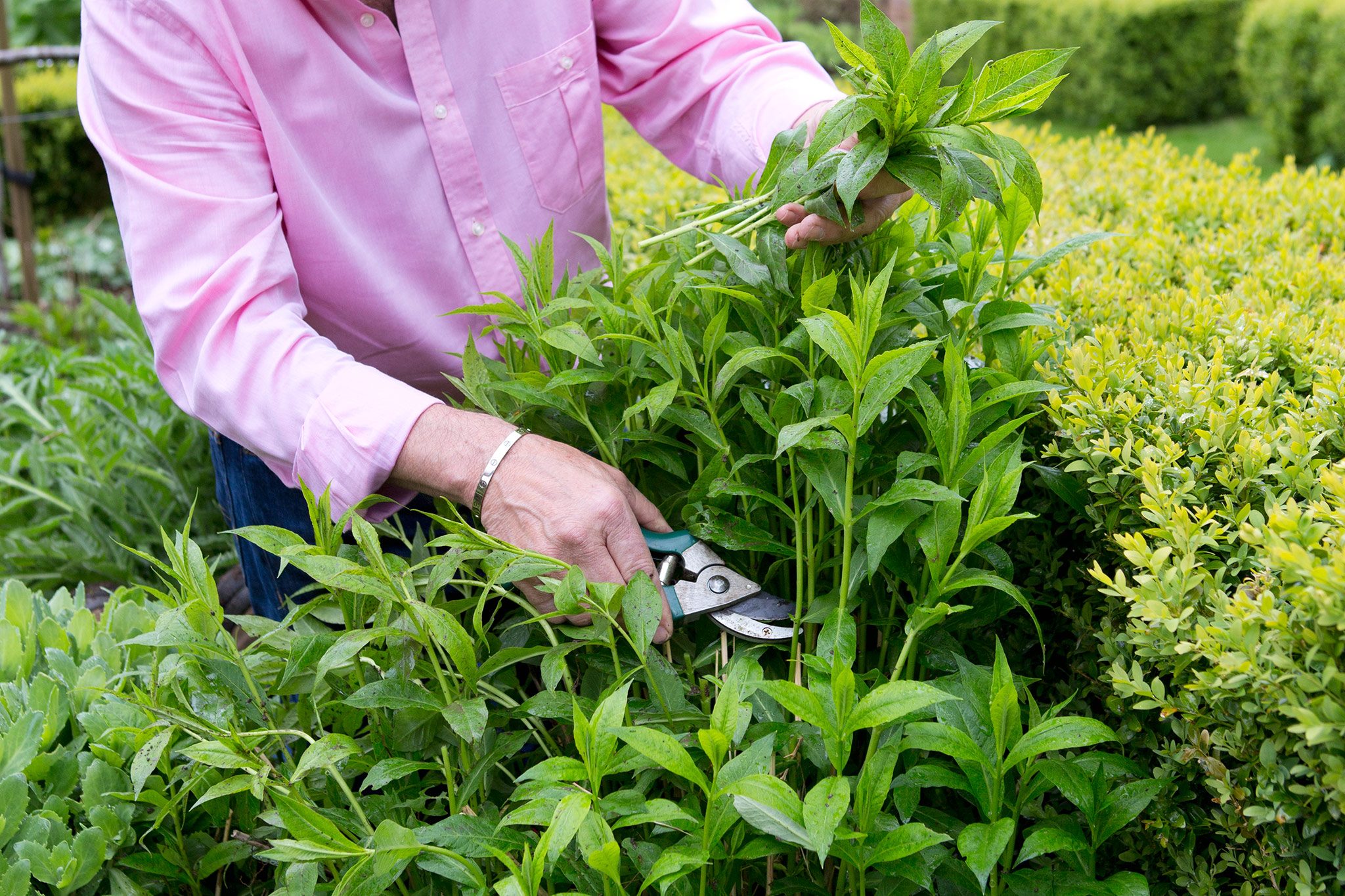
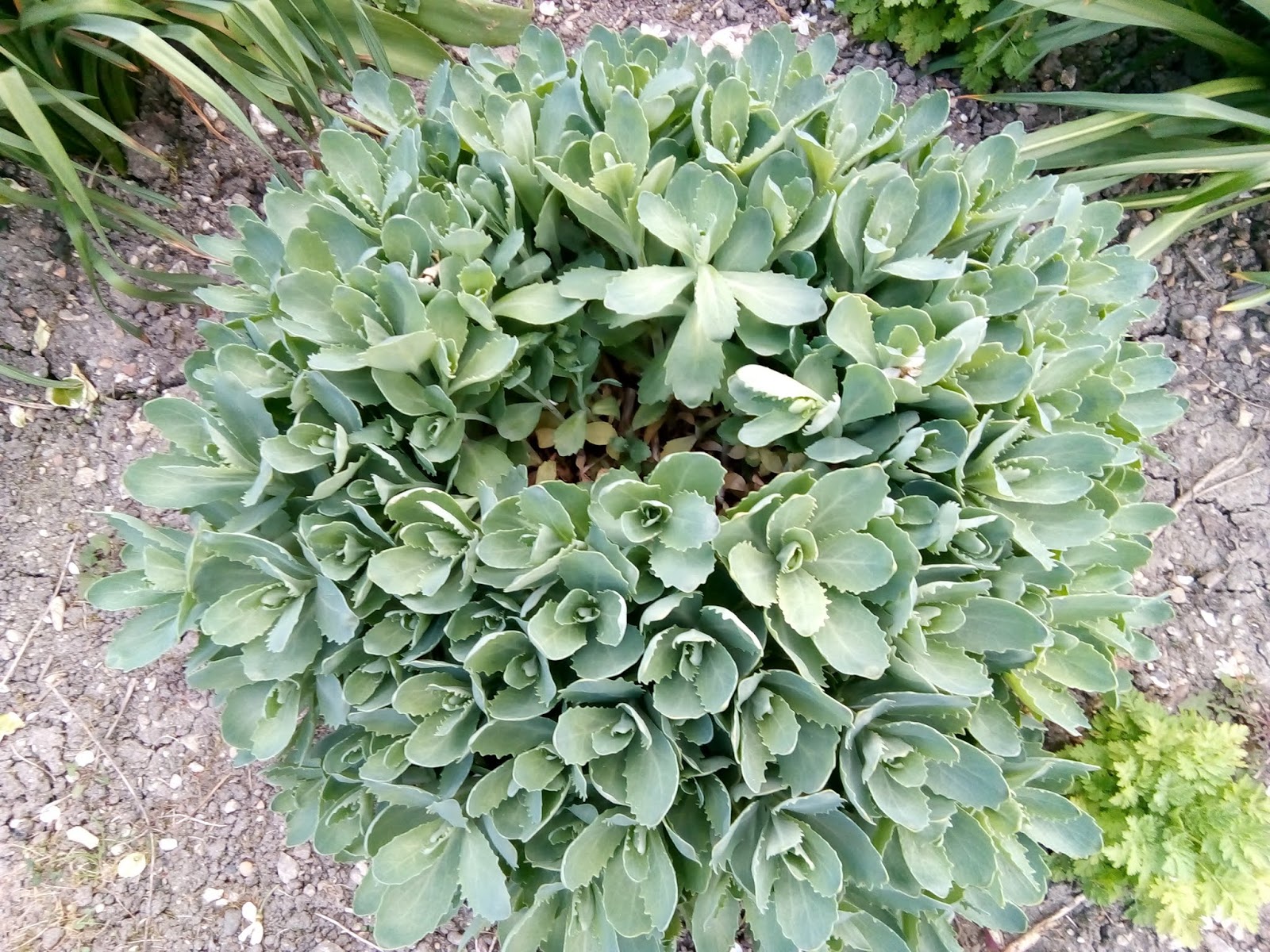
If you want one simple technique that makes Autumn Joy look fuller and stand straighter, learn the Chelsea Chop. It sounds fancy, but it is just a strategic trim.
What it does
- Shortens the plant slightly, so it is less top-heavy
- Encourages branching, which means more flower clusters
- Helps prevent flopping without staking
- Can delay bloom a bit, stretching late-season interest
When to do it
The classic timing is around late May to early June, often near the time of the Chelsea Flower Show. In cooler zones, that may be closer to early June. In warmer zones, it may be mid to late May. The goal is to chop when the plant is actively growing but well before buds form.
How to do it
- Find a dry morning and use clean pruners.
- Cut back the stems by about one-third.
- Make your cuts just above a set of leaves.
- Water once if your soil is bone dry, then let the plant do its thing.
Half chop option
If you are nervous about losing height or shifting bloom time, do a “half chop.” Cut back only half the stems and leave the rest untouched. You will get a slightly staggered bloom, plus a more natural shape. This is my favorite approach in mixed borders because it looks effortless while quietly solving the flopping problem.
Watering and fall care
Autumn Joy earns its drought-tolerant reputation, but like most perennials it needs a sensible start.
First season watering
Water deeply at planting, then keep the root zone evenly moist, not soggy, for a couple of weeks. After that, shift to deeper, less frequent watering. A good rhythm is about once a week during hot, dry stretches, adjusting for rainfall and soil type.
After it is established
Once the plant has a full season in the ground, you can water far less. I only water established sedum when:
- There has been no real rain for a long stretch and the plant starts to look less plump
- A heat wave is pushing even tough plants to their limit
- A new division or transplant is settling in
Fall care
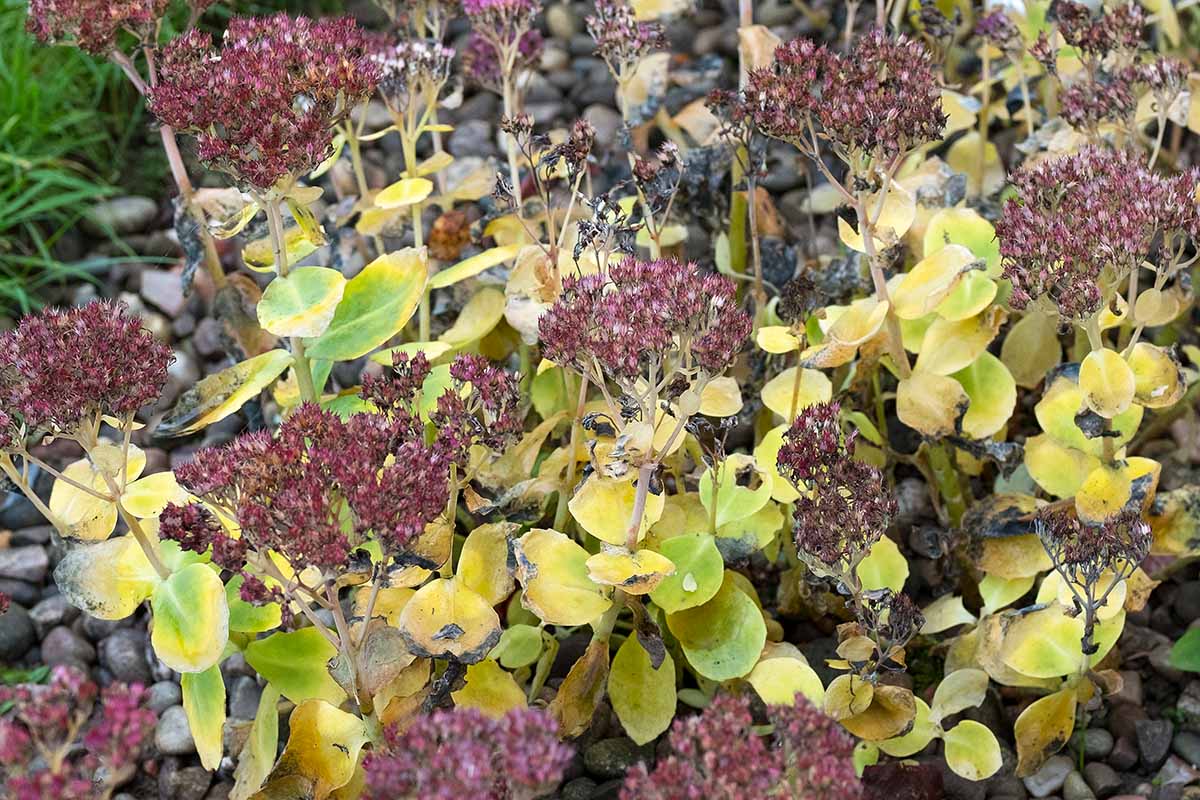
- Skip deadheading if you like winter interest. The dried seed heads are beautiful with frost and catch snow in the prettiest way.
- Go easy on water in cool weather. Sedum is more prone to rot in soggy soil than to decline from short droughts once established.
- Leave the stems standing until spring if you enjoy the structure and want a little habitat for beneficial insects.
Pruning
This is one of those gardener-choice moments. There is no single “right” answer, only what fits your garden and your winter.
Option 1: spring cleanup
This is what I do most years. In early spring, once you see new growth at the base, cut the old stems down to a couple of inches. The plant will quickly hide the stubble.
Option 2: cut back in late fall
If you prefer a tidier look, you can cut back after the plant has fully gone dormant. Just avoid cutting too early in fall, since the standing stems help protect the crown through temperature swings.
Fertilizer and mulch
With Autumn Joy, extra pampering often backfires. Too much fertilizer can produce tall, lush growth that flops.
- Fertilizer: Usually unnecessary. If your soil is extremely lean, a light top-dressing of compost in spring is plenty.
- Mulch: Use sparingly and keep it off the crown. A thin layer to reduce weeds is fine, but heavy mulch that stays wet can invite rot.
Common problems
Flopping stems
- Cause: Too little sun, soil too rich, or skipped Chelsea Chop
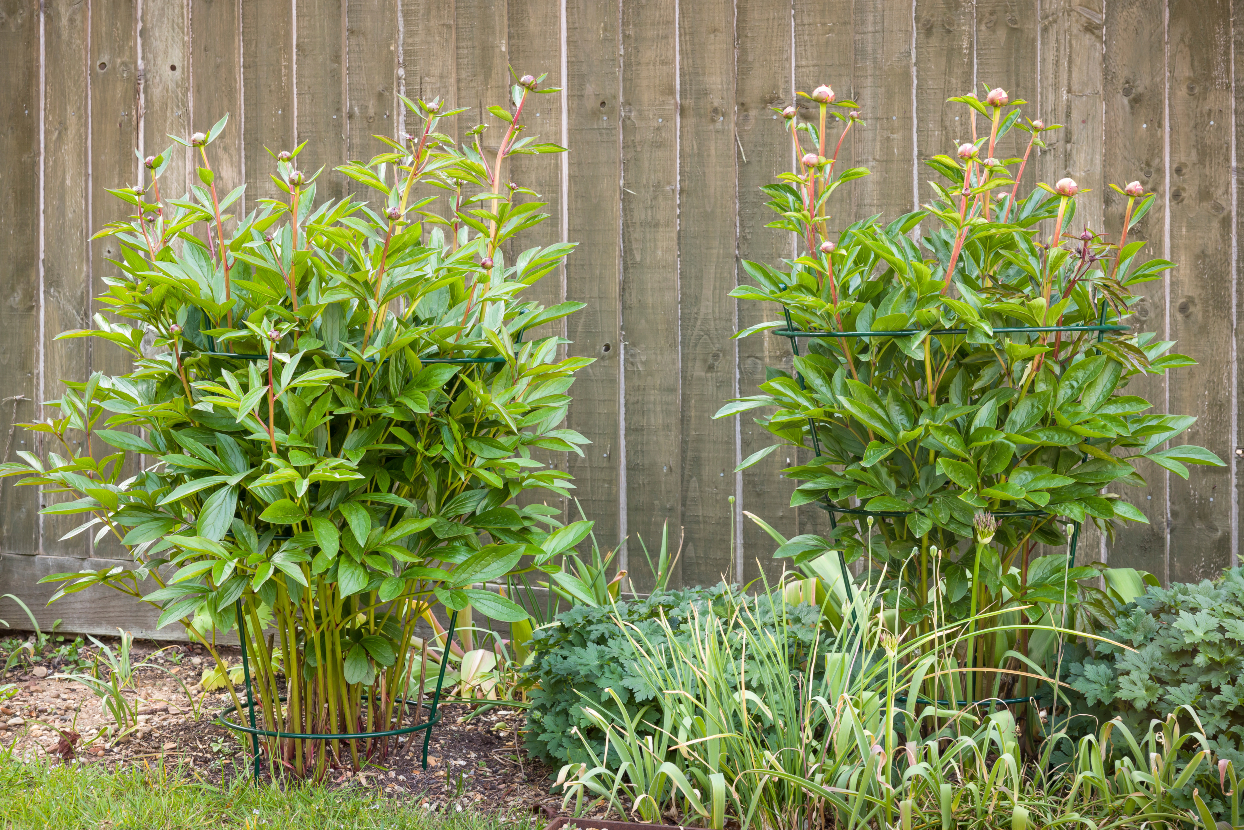
- Fix: Prioritize sun and drainage, skip fertilizer, and chop next spring. In the short term, use a discreet ring support early in the season before it gets big.
Leggy growth and small flower heads
- Cause: Shade or crowding
- Fix: Thin nearby plants, divide sedum if it is jammed in, and prioritize sun.
Rot at the base
- Cause: Poor drainage, heavy mulch, or overwatering
- Fix: Improve drainage, pull mulch back, and water less often.
Powdery mildew
Upright sedums can occasionally get a light dusting of powdery mildew in humid conditions. It is usually cosmetic.
- Fix: Improve airflow, avoid overhead watering late in the day, and do not crowd clumps.
Aphids
Some years, you may see aphids clustered on tender growth, especially on plants that are getting a little too much water or fertilizer.
- Fix: Blast them off with a firm spray of water, pinch out the worst tips, and avoid feeding the plant into soft growth.
Propagation
If you want more Autumn Joy without buying more plants, you are in luck. Sedum is generous.
Divide in spring
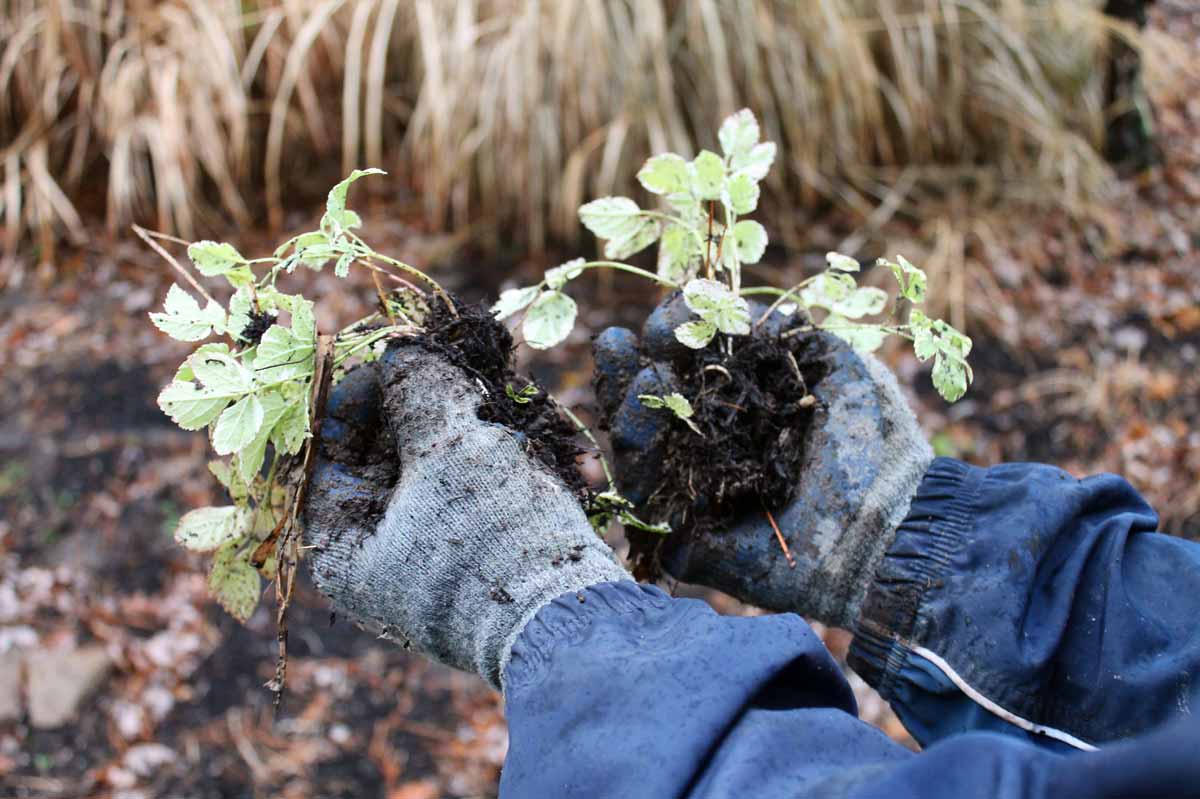
In early spring, lift the clump as new growth starts, slice it into sections with roots attached, and replant. Water the divisions in for a couple of weeks while they settle. If your clump is getting crowded or flowering less well, dividing every 3 to 5 years is usually plenty.
Take stem cuttings
In late spring or early summer, snip a healthy stem, remove the lower leaves, and place it in moist potting mix. Many sedums root readily. I have also had pieces root when they simply broke off and landed in the right spot, which tells you a lot about how eager this plant is to live.
Design for long bloom
Because Autumn Joy peaks late, it pairs beautifully with earlier bloomers that can hand off the spotlight.
- Spring: Alliums, creeping phlox, and early salvia set the stage.
- Early summer: Catmint and hardy geraniums fill in around the developing sedum clumps.
- Late summer into fall: Autumn Joy takes over alongside coneflowers, asters, and ornamental grasses.
If you are building a bed that feels colorful for months, think in layers. Sedum is a perfect mid-layer plant that stays neat at the base while lifting those big flower heads right where you can enjoy them.
FAQ
Is Autumn Joy sedum the same as stonecrop?
Yes. “Stonecrop” is a common name used for many Sedum and Hylotelephium species. Autumn Joy is an upright type, not a creeping groundcover sedum.
Should I deadhead Autumn Joy sedum?
You can, but you do not have to. I usually leave the flower heads because they age beautifully and add winter structure. If you prefer a tidier look, you can clip spent heads in late fall or during spring cleanup.
Does Autumn Joy need staking?
In full sun with leaner soil, usually no. If yours flops, try the Chelsea Chop next spring and avoid fertilizing. A ring support placed early in the season also works well.
Can I grow it in containers?
Yes, as long as the pot drains freely. Use a gritty, well-draining mix and do not overwater. In very cold areas, containers can freeze harder than the ground, so consider winter protection or choosing a hardy planter setup.