
Black-eyed Susans are the kind of summer flower that make you feel like you did something right, even if all you did was plant them and remember to water once in a while. The trick to continuous color is choosing long-lived, repeat-blooming Rudbeckia (not just whatever is labeled “black-eyed Susan”) and pairing it with a simple routine: steady sun, reasonable moisture while establishing, light feeding, and consistent deadheading.
Below are my favorite perennial and long-lasting Rudbeckia picks, plus the care steps I use to keep them blooming hard from early summer into fall.
Perennial Rudbeckia basics
Garden centers label a lot of plants “black-eyed Susan,” and they do not all behave the same. Some are true, clump-forming perennials. Others are short-lived perennials or biennials that act more like annuals in many gardens. For repeat, reliable performance, start with these perennial species and close relatives:
- Rudbeckia fulgida (especially var. sullivantii) is the classic clump-forming perennial for borders.
- Rudbeckia subtomentosa (sweet black-eyed Susan) is taller and later blooming, great for late-summer stamina.
- Rudbeckia laciniata is very tall and bold, better for back borders and moister soils.
- Rudbeckia maxima is dramatic and architectural, happiest in heat and sun with occasional deep watering.
You will also see Rudbeckia hirta sold everywhere. It is often a short-lived perennial or biennial (and sometimes grown as an annual), depending on cultivar and climate. Many selections reseed readily, which can make them feel “perennial” in a looser, self-sowing way.
Quick zone reality check: Most clump-forming perennials like R. fulgida and R. subtomentosa are typically hardy across a broad range (often roughly USDA Zones 3 to 9, cultivar depending). The short-lived R. hirta types are the ones whose return performance varies most with winter severity and summer stress.
Best varieties for long bloom
If I were building a “keep going all summer” border with Rudbeckia as the backbone, I would mix at least two types: one that starts earlier and one that peaks later. This creates that easy handoff that keeps beds looking alive through the dog days.
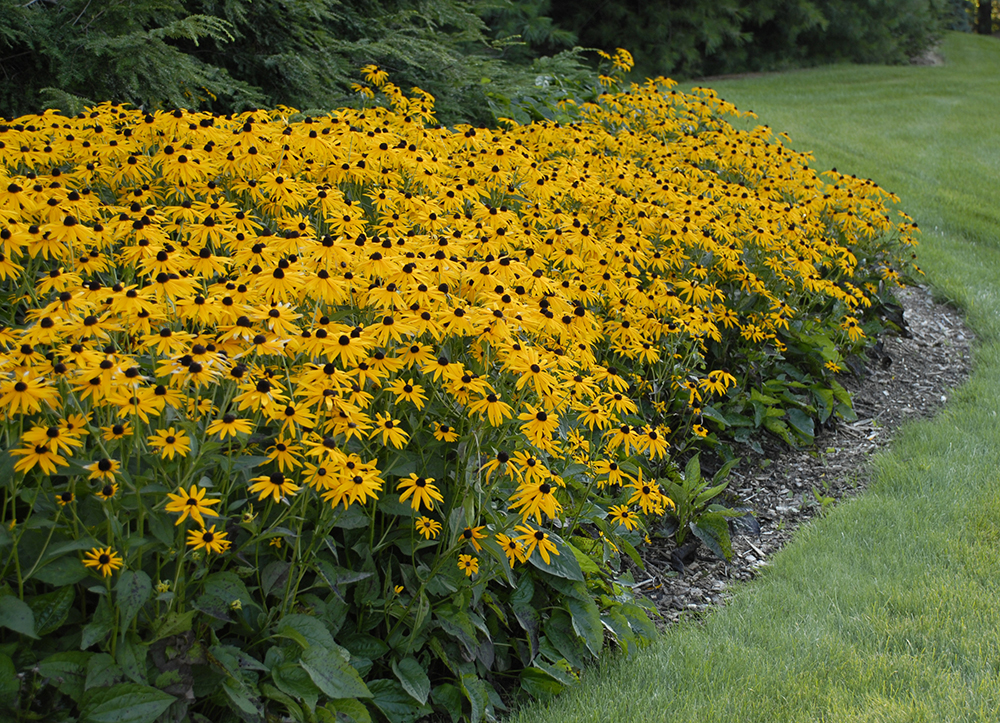
‘Goldsturm’ (Rudbeckia fulgida var. sullivantii)
Why gardeners love it: It is dependable, floriferous, and makes a tidy, upright clump that reads as intentional even in a casual garden.
- Height: about 18 to 30 inches
- Bloom window: mid to late summer, often into early fall
- Best use: front to mid-border, mass plantings, along paths
- My care note: Deadheading makes a noticeable difference on this one. If I keep up for even two weeks, it looks freshly planted.
‘Little Goldstar’ (Rudbeckia fulgida ‘Little Goldstar’)
Why it earns its keep: Same cheerful color, shorter and sturdier. If your garden gets wind, or you are tired of staking, this is the sweet spot.
- Height: about 14 to 18 inches
- Bloom window: summer into early fall
- Best use: edging, containers, small beds, curbside strips
- My care note: Because it is compact, it looks best with one mid-season cleanup where you shear off spent blooms.
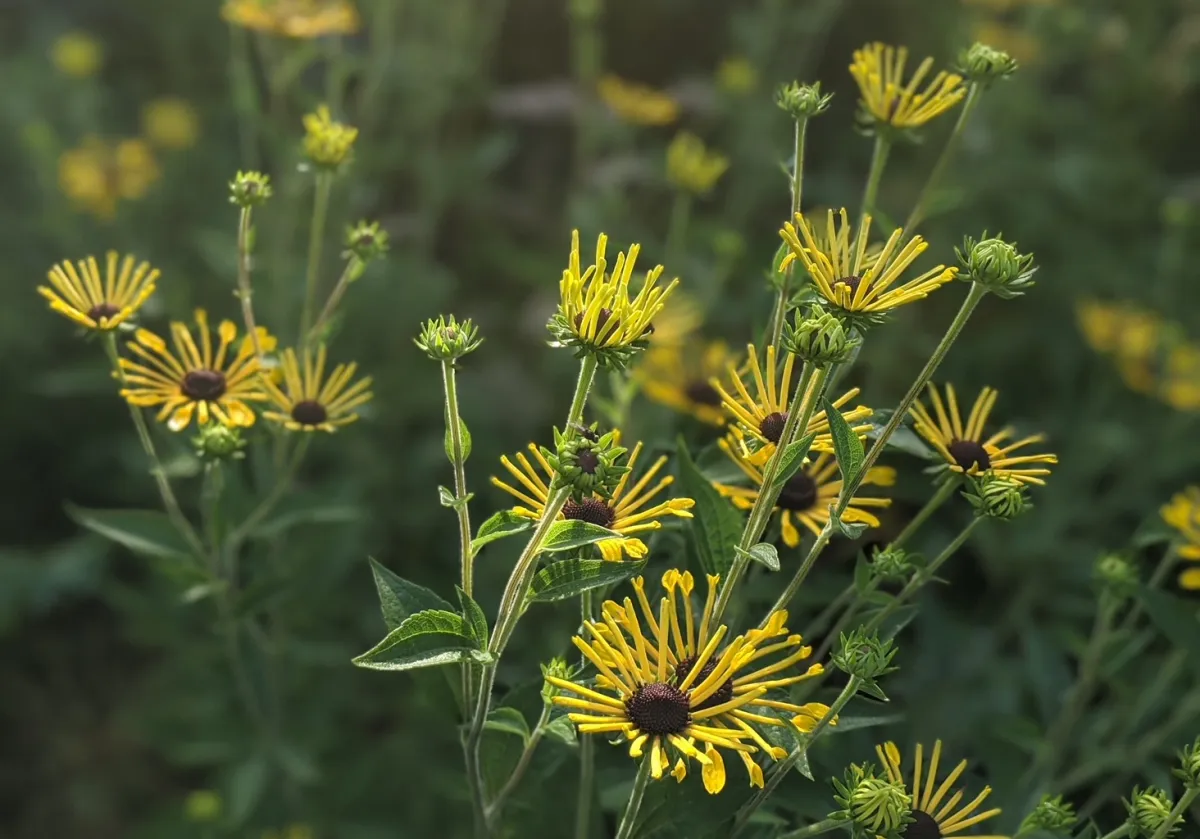
‘Henry Eilers’ (Rudbeckia subtomentosa)
Why I keep recommending it: It blooms later and adds a different texture, with narrow, quilled petals that stand out without being fussy.
- Height: about 4 to 5 feet
- Bloom window: late summer into fall
- Best use: back border, with grasses, asters, and tall sedums
- My care note: Give it room and airflow. It is a tall plant and looks best when it is not crowded.
‘Prairie Sun’ (Rudbeckia hirta ‘Prairie Sun’)
Why it is worth a try: Big, sunny blooms with softer greenish centers that age to brown. It is generally treated as short-lived (biennial or short-lived perennial), but it can overwinter in many climates and often reseeds, so it may return even when individual plants do not.
- Height: about 2 to 3 feet
- Bloom window: early to late summer
- Best use: bright focal drifts, cutting gardens
- My care note: Let a few seedheads mature if you want it to pop up next year. Otherwise deadhead faithfully.
Rudbeckia maxima (giant coneflower)
Why it is a designer’s dream: Blue-green foliage and tall stems topped with drooping yellow petals and a prominent cone. It is not a “fill the bed with daisies” look. It is more sculptural.
- Height: 5 to 7 feet in good conditions
- Bloom window: mid to late summer
- Best use: behind lower perennials, in hot, open sun
- My care note: Drought tolerant once established, but it performs best with occasional deep watering in prolonged dry spells. In extreme drought it can stall growth and flowering.
Rudbeckia laciniata (tall forms like ‘Herbstsonne’)
Why it shines: Tall, glowing flowers that play beautifully with late-season perennials. It is a big plant for big spaces.
- Height: 5 to 7 feet
- Bloom window: late summer into fall
- Best use: moist borders, naturalistic plantings
- My care note: It can spread in happy conditions. I treat it like a friendly giant and cut it back or thin it when needed.
Plan for steady color
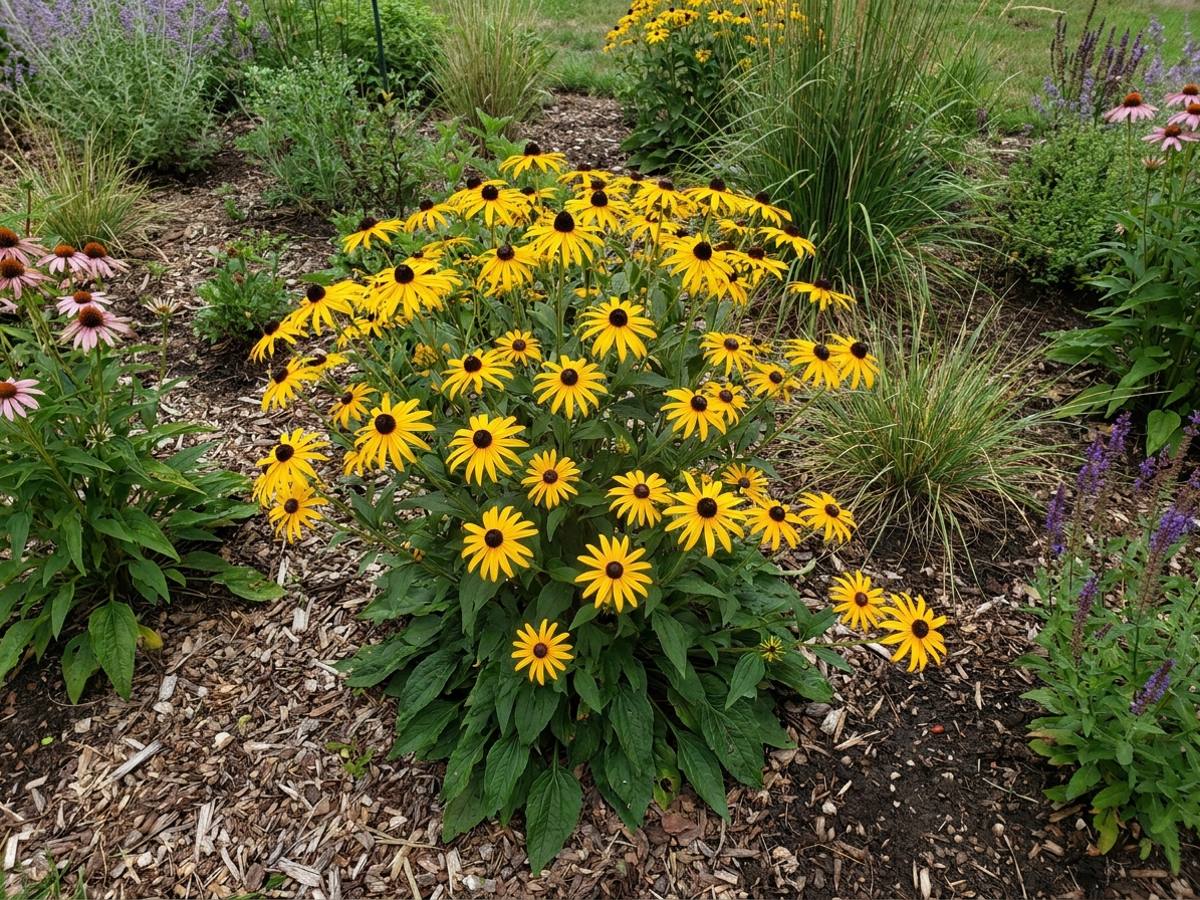
Rudbeckia blooms can overlap nicely, but the longest show happens when you build a small sequence:
- Early summer into midsummer: include an earlier bloomer nearby (salvia, catmint, yarrow) so the bed looks full while your Rudbeckia is gearing up.
- Midsummer peak: clump-forming perennials like ‘Goldsturm’ and ‘Little Goldstar’ carry the center of the season.
- Late summer into fall: bring in a later Rudbeckia like ‘Henry Eilers’ or a tall species, then echo with asters, goldenrods, and ornamental grasses.
If you want the bed to look “in bloom” constantly, tuck in a few long performers that do not mind the same conditions: coneflowers, garden phlox (with good airflow), coreopsis, Russian sage, and hardy geraniums.
Light, soil, and spacing
Sun
Full sun is where Rudbeckia earns its reputation. Six or more hours is ideal. In very hot climates, a touch of late-afternoon shade can keep plants perky, but too much shade means fewer flowers and floppier stems.
Soil
Rudbeckia is adaptable, but it blooms best in soil that drains well and has some organic matter. If your soil is very sandy, mixing in compost helps with moisture retention. If your soil is heavy clay, compost improves structure and helps roots breathe.
Spacing
This is the unglamorous secret to a longer, cleaner-looking season: airflow. Crowded black-eyed Susans can get stressed, which invites leaf spot and makes the plant look tired earlier.
- Space most clumping Rudbeckia about 18 to 24 inches apart, depending on cultivar vigor.
- Give tall types 24 to 36 inches, depending on how large they get in your conditions.
Watering routine
Once established, many perennial Rudbeckias are fairly drought tolerant. But if you want continuous bloom instead of a quick flush, consistent moisture helps, especially during bud formation and long hot spells.
First year
- Water deeply after planting.
- Aim for about 1 inch per week total (rain plus irrigation) for the first season.
- Water at the base, not overhead, to reduce leaf spot.
Established plants
- In normal weather, let the top couple inches of soil dry, then water deeply.
- During heat waves, plan on a deep soak once a week, sometimes twice in very fast-draining soil.
- If the plant wilts midday but recovers by evening, it is usually fine. If it stays limp into the evening, it is asking for water.
My backyard rule: If you want bigger, longer-lasting blooms, do not let a clump swing wildly between bone-dry and soggy. Steady and moderate wins.
Fertilizing
Black-eyed Susans are not heavy feeders. Too much nitrogen can push lots of leafy growth and fewer flowers, and it can make stems flop.
What I do for most beds
- Spring: top-dress with 1 to 2 inches of compost around the clump, keeping it off the crown.
- Optional: if your soil is poor or you are growing in a newer bed, apply a balanced, slow-release fertilizer once in spring, following label rates.
When to skip fertilizer
- If plants are already tall and floppy.
- If your bed is rich and you regularly add compost.
- If you are seeing lots of lush leaves but not many buds.
Midseason feeding
Rarely necessary. If blooms slow dramatically and plants look pale, a light midseason feed can help. I prefer something gentle (like fish emulsion or a low-dose liquid fertilizer), and I always water well afterward. If the plant is healthy green, I focus on watering rhythm and deadheading instead of feeding.
Deadheading for more bloom
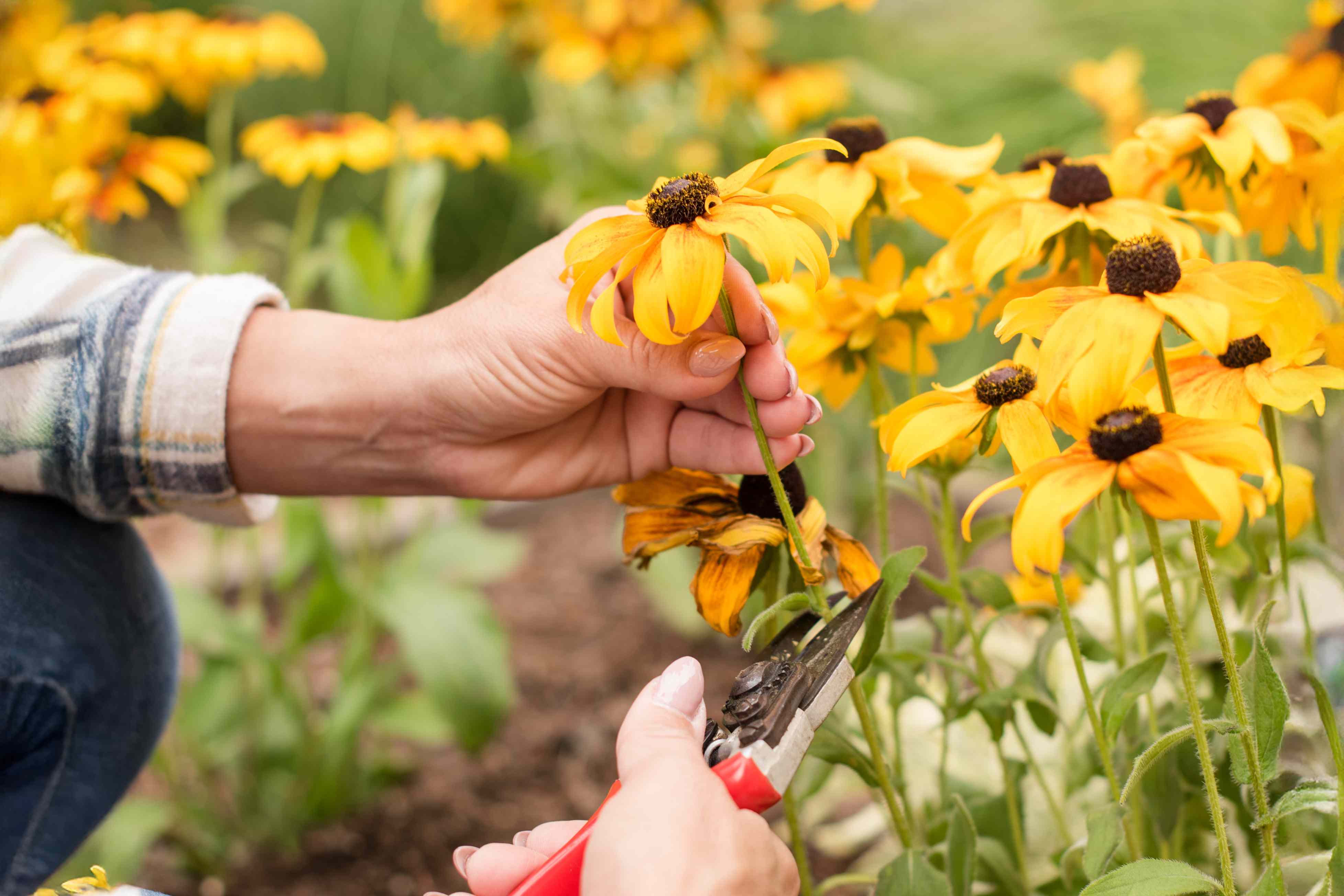
Deadheading is where you get the “extra weeks” from many Rudbeckias. The plant wants to set seed. When you remove spent blooms, it redirects energy into new buds.
Method 1: Snip regularly
- During peak bloom, snip faded flowers every few days to weekly, depending on how tidy you want the plant to look.
- Cut back to the next set of leaves or a side bud.
Method 2: The midsummer shear
If you have a large patch and you cannot keep up flower-by-flower, try a partial shear:
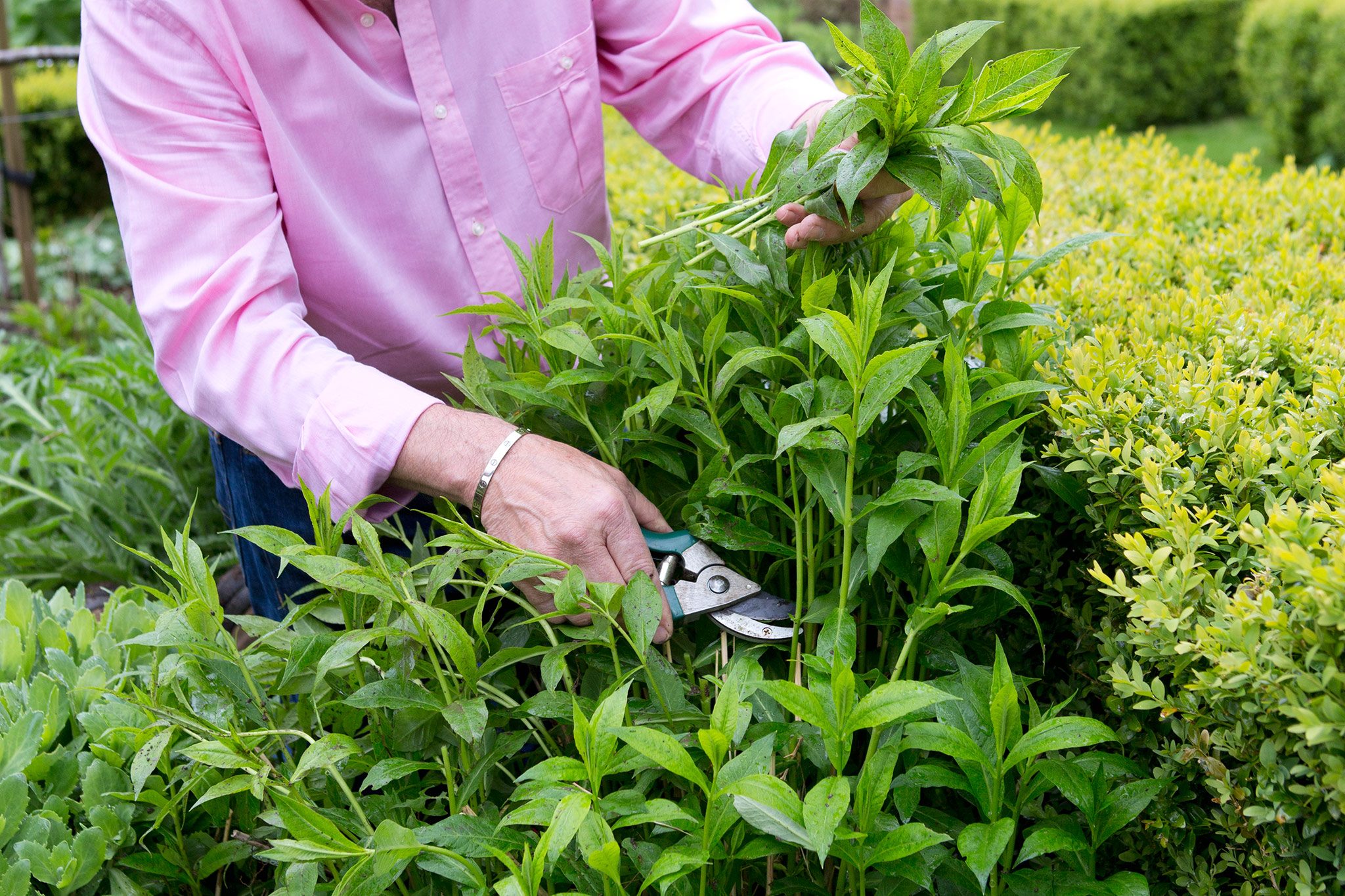
- When about half the blooms look tired, use clean shears to remove the top third of the plant, focusing on spent flowers.
- Water afterward.
- You will often get a cleaner second wave a couple of weeks later.
When to stop
In early fall, I often stop and let seedheads form. They feed birds, add structure, and look surprisingly pretty with frost. If leaf spot is a serious yearly problem in your garden, you may want to deadhead longer, then cut back and remove affected foliage at season’s end to reduce carryover.
Pruning and staking
Pinching helps tall types
For tall Rudbeckias, pinching in late spring can reduce flopping and increase branching:
- When stems are about 12 to 18 inches, pinch or snip the top inch or two.
- This delays bloom slightly, but can produce more stems and a sturdier plant.
Staking
Most clump-forming varieties do not need staking in full sun. Tall species and very rich soil can change that. If you stake, do it early so supports disappear into the foliage.
Common problems
Leaf spot and powdery mildew
Rudbeckia can get fungal leaf spots, especially in humid summers or crowded plantings.
- Water at soil level, not from overhead.
- Thin or divide crowded clumps.
- Remove badly spotted leaves and clean up fallen debris.
- If it is a yearly issue, increase spacing and consider more resistant cultivars.
Flopping
- Check light first. Too much shade leads to stretchy stems.
- Ease up on fertilizer, especially high nitrogen.
- Pinch tall stems in late spring, or use discreet supports early.
Short bloom season
This is usually a care rhythm issue, not a plant failure.
- Deadhead more consistently.
- Water during bud set and heat spells.
- Make sure the plant is in full sun.
Self-seeding
Deadhead before seedheads mature, or cut the plant back after the main bloom flush. In wilder edges, I personally love a little self-seeding. It is like the garden volunteering in the nicest way.
Deer and rabbits
Rudbeckia is not reliably deer-proof. In some areas it is ignored, and in others it is sampled, especially when plants are young or during drought. If browsing is common in your yard, consider temporary protection (sprays, fencing, or cages) until clumps bulk up.
Dividing older clumps
If a clump starts blooming less, gets bare in the center, or looks tired no matter what you do, dividing can bring it right back.
- When: early spring or early fall (when temperatures are milder)
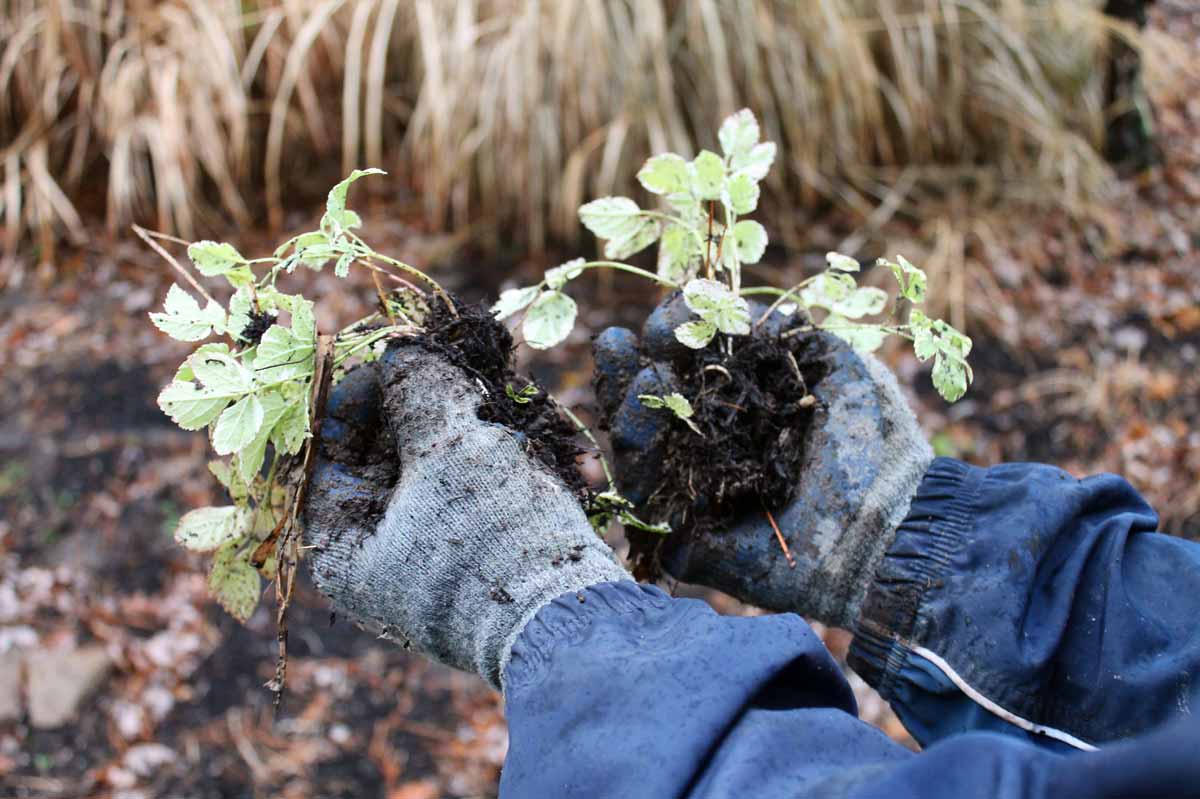
- How: dig the clump, split into sections with healthy roots, and replant at the same depth
- Aftercare: water well for a few weeks while it re-establishes
Quick care checklist
- Sun: 6+ hours
- Water: deep soak during establishment, then steady moisture during heat and bud set
- Fertilizer: compost in spring, avoid heavy feeding
- Deadhead: every few days to weekly, or do a midsummer shear
- Spacing: give clumps room for airflow
- Refresh: divide when clumps thin or stop performing
FAQ
Do black-eyed Susans bloom all summer?
They can bloom for a long stretch, but most have a peak period. You get the closest thing to “all summer” by choosing long-blooming cultivars, watering during hot spells, and deadheading consistently.
Will Rudbeckia come back every year?
Perennial species like Rudbeckia fulgida and Rudbeckia subtomentosa reliably return in many climates. Many plants sold as Rudbeckia hirta are short-lived, although they often reseed and may overwinter depending on cultivar and winter conditions.
Should I cut black-eyed Susans back after blooming?
You can. If you want more blooms, deadhead during the season. If you want seedheads for birds and winter interest, leave them standing and cut back in late winter or early spring. If leaf spot is severe for you every year, a tidier fall cleanup (removing infected foliage and debris) can help reduce disease pressure.
Are black-eyed Susans good for pollinators?
Yes. They are a busy stop for bees and butterflies in midsummer. If you leave some seedheads, goldfinches and other birds will often make use of them later.