
Astilbe is one of those plants that feels like a small miracle the first time you grow it. You look at a damp, shady spot where other perennials rot or refuse to bloom, and astilbe just settles in and starts sending up feathery plumes like it owns the place.
I fell for astilbe the hard way, by moving between growing zones and learning that “shade” can mean everything from cool woodland edges to hot, dry tree-root shade. Astilbe is happiest in the first kind, the places that stay consistently moist. If your garden has a downspout splash zone, a low spot that stays damp (without standing water for days), or a shady bed with heavy soil you can improve, you have astilbe territory.
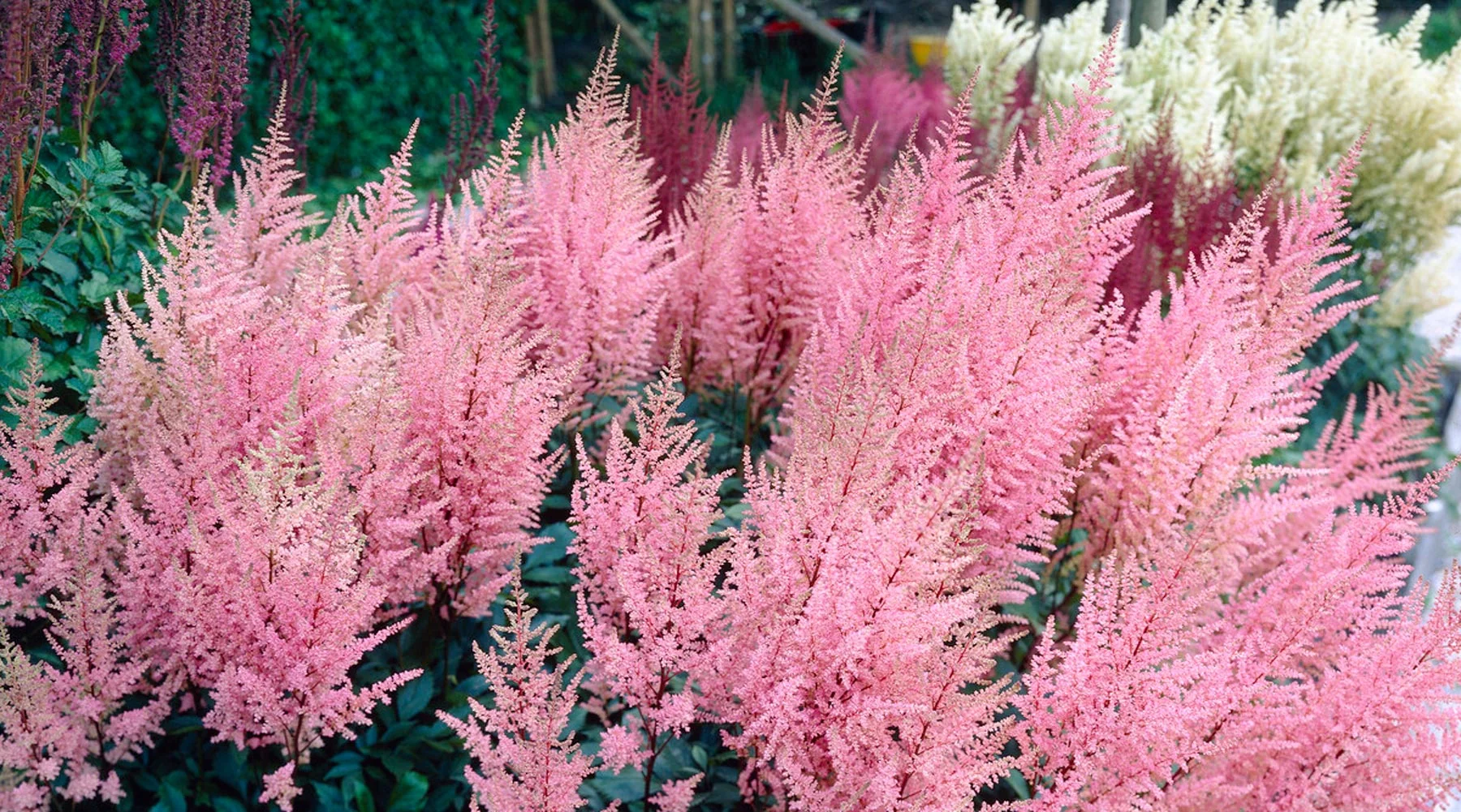
Why astilbe shines in moist shade
Most flowering perennials want decent drainage and a good amount of sun. Astilbe is different. It is a moisture-loving perennial that brings real color to:
- Dappled shade under open-branched trees
- North or east-facing beds that stay cool
- Slow-draining areas that stay evenly damp after rain
- Pond edges and rain garden margins (not submerged, just reliably moist)
The plumes usually peak in early to midsummer, and the foliage stays attractive much longer. In many gardens, those ferny mounds do as much work as the flowers.
Quick profile
If you like the idea of a “woodland show-off” that does not need babying once it is settled, this is your plant.
- Common name: Astilbe
- Botanical name: Astilbe spp.
- Hardiness: Commonly USDA zones 3 to 8 (sometimes into 9, depending on species and cultivar)
- Bloom time: Late spring through summer, depending on variety
- Light: Part shade to shade (more sun is fine if soil stays moist)
- Soil: Moist, humus-rich soil; tolerant of clay when amended
- Water needs: Medium to high, especially in heat
- Mature size: Commonly 1 to 3 feet tall and 1 to 2 feet wide, depending on species and cultivar (some are shorter, some can reach 4 feet)
- Deer: Often avoided, but not immune in hungry seasons
Choosing the right spot
If you remember one thing, let it be this: astilbe hates drying out. Dry shade is where it struggles most. Before planting, stand in your chosen spot and ask two questions.
1) Does the soil stay evenly moist?
Moist does not mean swampy 24/7. Astilbe likes consistent moisture, but it still needs oxygen around its roots. The goal is even moisture with good structure, not a hole that turns into stagnant soup after every storm.
2) What kind of shade is it?
- Best: Morning sun with afternoon shade, or high dappled shade
- Good: Bright shade near a wall or under tall trees with room for rainfall to reach the soil
- Tricky: Dense, dry shade under thirsty maples or shallow-rooted evergreens
In brighter shade, you will get sturdier stems and stronger bloom. In deeper shade, you still get handsome foliage, but flowering can be lighter.
Soil prep for slow drainage
Astilbe is famous for liking moisture, but there is a difference between moist soil and compacted, airless mud. If your planting area puddles or stays slick and sticky long after rain, spend your effort on soil structure. It pays off for years.
My favorite amendments (and why they work)
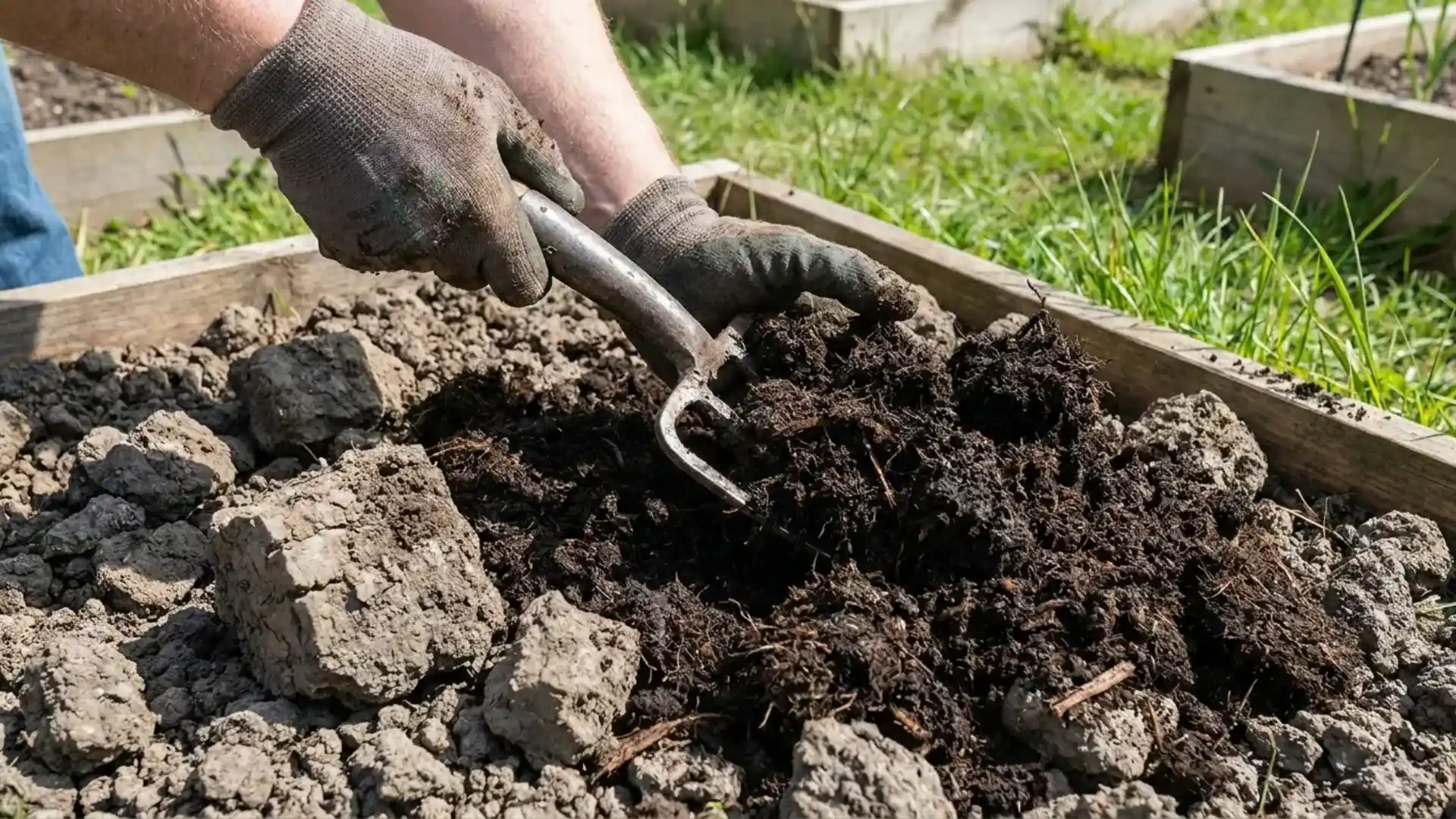
- Compost: The best all-around fixer. It loosens clay, helps sandy soil hold moisture, and feeds soil life.
- Shredded leaf mold: If you have it, use it. It mimics woodland soil and holds moisture beautifully.
- Fine pine bark or partially composted bark: Great for opening heavy soil and improving long-term texture.
I avoid adding straight peat as a main amendment in heavy clay. It can help with moisture retention, but compost and leaf mold do more for structure and biology.
How to amend without making a bathtub
- Work when soil is damp, not wet. If you can squeeze a handful into a sticky ribbon, wait.
- Mix in 2 to 4 inches of compost into the top 8 to 10 inches if you can.
- Plant slightly high in the worst low spots, with a gentle mound so the crown is not sitting in a depression.
- Top-dress every spring with 1 to 2 inches of compost. This is the low-effort secret to happy astilbe.
Planting astilbe
Astilbe is usually sold as potted plants in spring or as bare-root divisions. Both work well.
Planting depth
Set the plant so the crown is level with the surrounding soil, or just a touch higher in slow-draining beds. Backfill gently and water thoroughly to settle air pockets.
Spacing
Most astilbes look best in groups. Space typical varieties about 18 to 24 inches apart, a bit closer for a fuller drift if you do not mind dividing sooner.
Mulch matters
A 2-inch mulch layer helps keep the root zone cool and evenly moist. In damp beds, keep mulch pulled back an inch from the crown to discourage rot.
Watering schedule that works
Astilbe is not a fussy plant once established, but it is very honest. If it dries out, it tells you fast with limp foliage and crispy edges.
First season (the make-or-break year)
- Week 1 to 2: Water every 2 to 3 days if there is no rain.
- Weeks 3 to 8: Water deeply once or twice per week, depending on heat and soil.
- High heat waves: Check daily. If the top 1 to 2 inches are dry, soak the root zone.
In shade, evaporation is slower, so check soil moisture before watering. Your goal is evenly damp soil, not a permanently saturated hole.
Established clumps
Once roots are settled, many gardens can get by with about 1 inch of water per week from rain or irrigation, more in summer heat. If your astilbe gets a few hours of sun, it may need supplemental water more often.
A simple stress-signal checklist
- Crispy brown leaf edges: Usually drought stress or hot sun
- Drooping at midday that recovers by evening: Needs deeper watering
- Yellowing lower leaves: Sometimes normal aging, but also watch for waterlogged, airless soil
Feeding and seasonal care
Astilbe is not a heavy feeder, but it loves organic matter.
In spring
- Top-dress with compost.
- If growth is weak, use a balanced, slow-release fertilizer lightly, then water it in.
After flowering
You can deadhead spent plumes for a tidier look, or leave them for texture. I often leave a few, especially in more natural beds, because the dried plumes look lovely against glossy foliage.
In fall and winter
After frost, either cut stems back to a few inches or leave them until spring. In windy, exposed areas, leaving stems can catch leaves and add a little natural insulation.
Dividing overgrown clumps
Astilbe does not stay polite forever. After a few seasons, the center can get woody or crowded, blooms may shrink, and the clump can start to heave slightly out of the ground, especially in freeze-thaw climates. Dividing keeps plants vigorous and is the easiest way to fill a damp bed without buying more.
When to divide
- Every 3 to 5 years is a common rhythm.
- Divide sooner if the center looks sparse or flowering drops off.
- In very rich, moist soil, clumps can bulk up faster.
Best time of year
Early spring as new growth begins is my favorite. You can also divide in early fall in many climates, giving roots time to settle before hard freezes.
How to divide step by step
- Water the day before if the soil is dry, so the plant is hydrated.
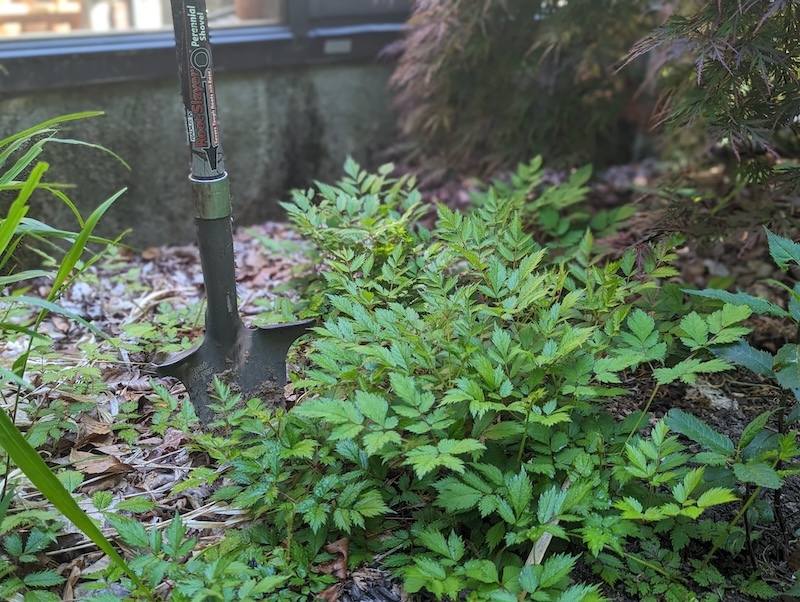
- Lift the clump with a spade or garden fork, going wider than you think to avoid ripping roots.
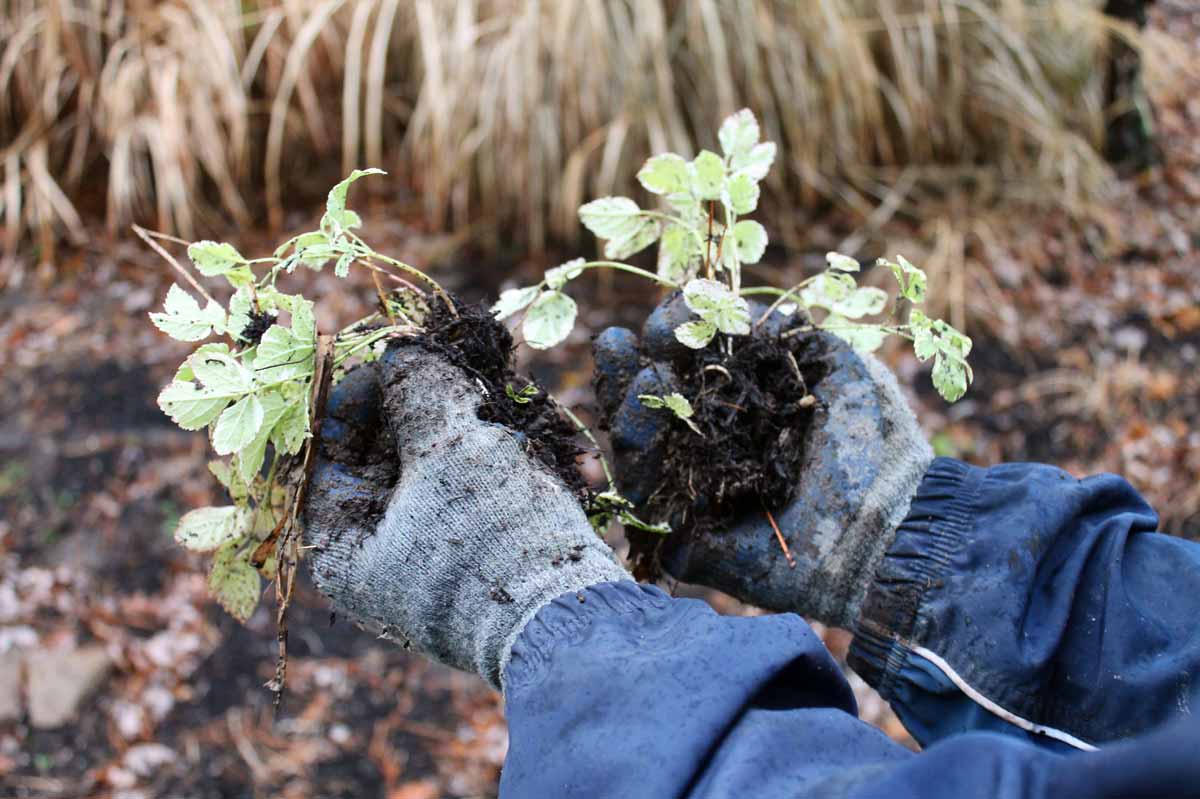
- Rinse or shake off soil so you can see the crown sections.
- Split into divisions with a sharp spade or knife. Aim for pieces with several healthy buds and a good root bundle.
- Replant immediately at the same depth, improving soil with compost if needed.
- Water deeply and mulch lightly, keeping mulch off the crown.
Tip for the soggiest spots: If the hole fills with water and stays that way, replant slightly higher and work compost into the surrounding area rather than digging a deep “bathtub” that holds water.
Types and varieties
Not all astilbes behave exactly the same, which matters if your shade is brighter, your summers are hotter, or your soil is only sometimes moist.
- Astilbe chinensis types: Often a bit more tolerant of sun and short dry spells once established, especially compared with more delicate, moisture-demanding varieties.
- Early, mid, late bloomers: If you mix bloom times, you can stretch the plume show for weeks instead of days.
If you shop by cultivar names, look at mature height and bloom timing first. Those two details do more for garden design than flower color alone.
Common problems and gentle fixes
Browning leaf edges
This is the classic complaint. It is usually from dry soil, hot sun, or drying wind.
- Increase watering depth and consistency.
- Add mulch to cool the root zone.
- If it is in afternoon sun, consider moving it to brighter shade or adding a taller companion plant for shelter.
Floppy flower stems
Some varieties naturally arch, but extreme flopping can come from too much shade (reaching for light) or too much nitrogen.
- Move to a spot with a bit more morning light.
- Go easy on fertilizer. Compost is often enough.
Poor blooms
- Too much shade: Try brighter shade or a little morning sun.
- Clump is old: Divide and refresh the soil.
- Drought stress: Even one dry spell during bud formation can reduce flowering.
Root rot concerns
Astilbe tolerates moisture, but it does not like being smothered in compacted, anaerobic soil.
- Improve structure with compost and bark fines.
- Plant slightly high in the soggiest areas.
- Keep mulch off the crown.
Other pests and diseases
Astilbe is usually low drama, but a few issues pop up now and then: slugs and snails in very damp gardens, rabbits nibbling tender spring growth, and occasional leaf-chewing insects (including Japanese beetles in some regions). In humid summers with poor airflow, powdery mildew can show up. Most of the time, better spacing, morning watering, and keeping plants vigorous solves it.
Design tips
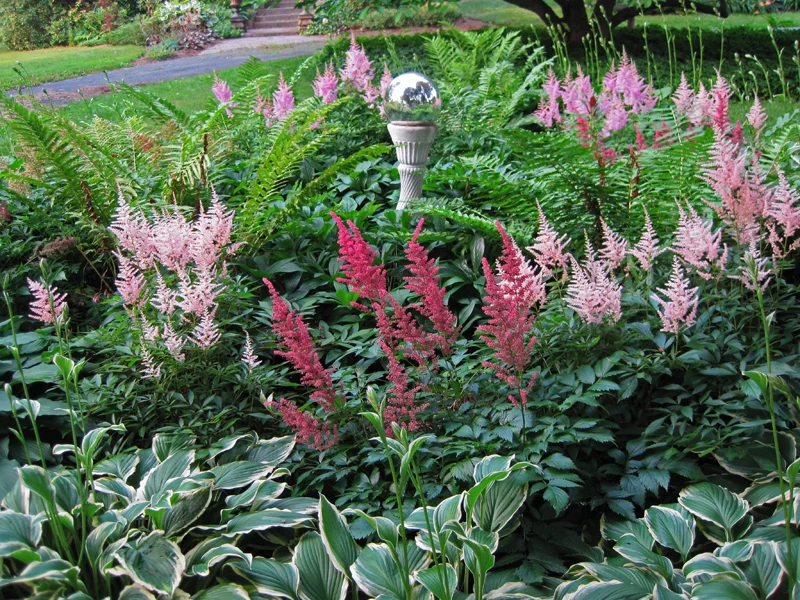
Astilbe is at its best when it is part of a little community. The plumes give you vertical texture, and the foliage fills gaps like a soft green quilt.
Easy companions for moist shade
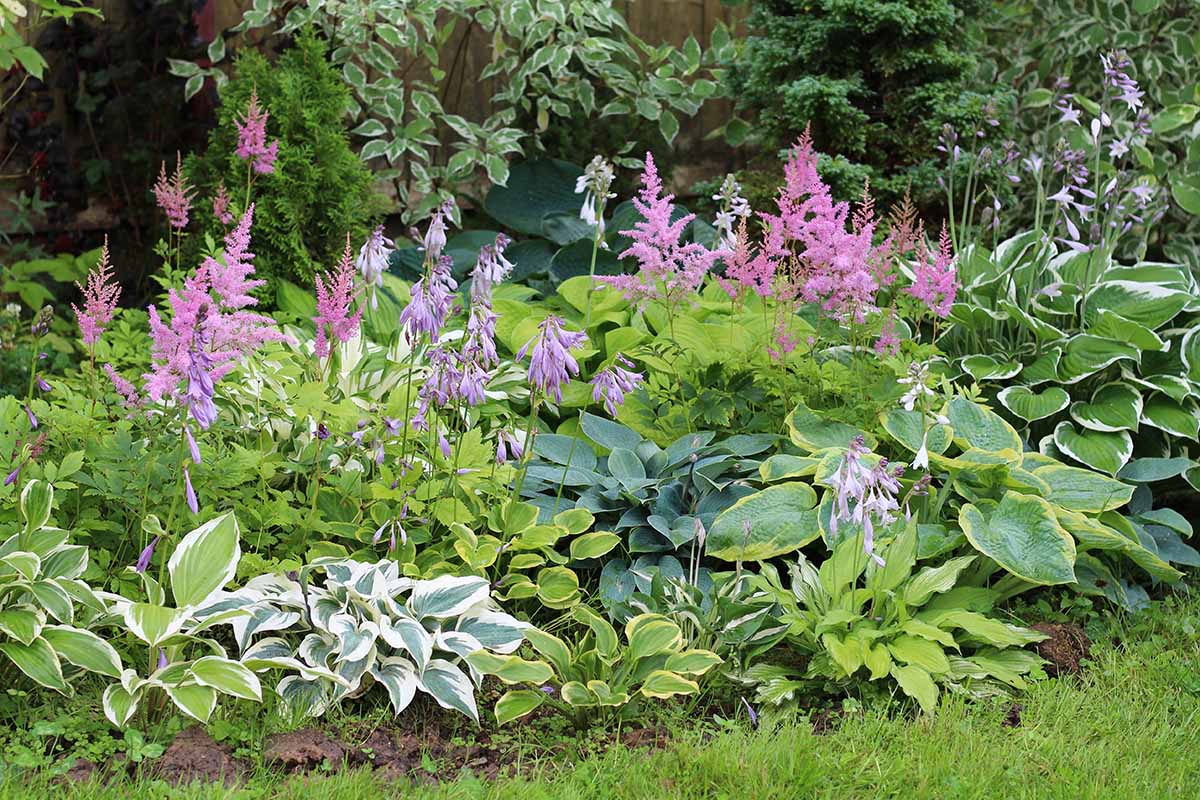
- Hosta: Big leaves make astilbe plumes pop.
- Ferns: A natural woodland pairing with similar moisture needs.
- Heuchera (coral bells): Great for adding leaf color in brighter shade, especially where the soil is moist but not waterlogged.
- Iris versicolor or Japanese iris: Great near water features or consistently damp beds.
- Ligularia: Bold leaves for dramatic contrast, as long as soil stays moist.
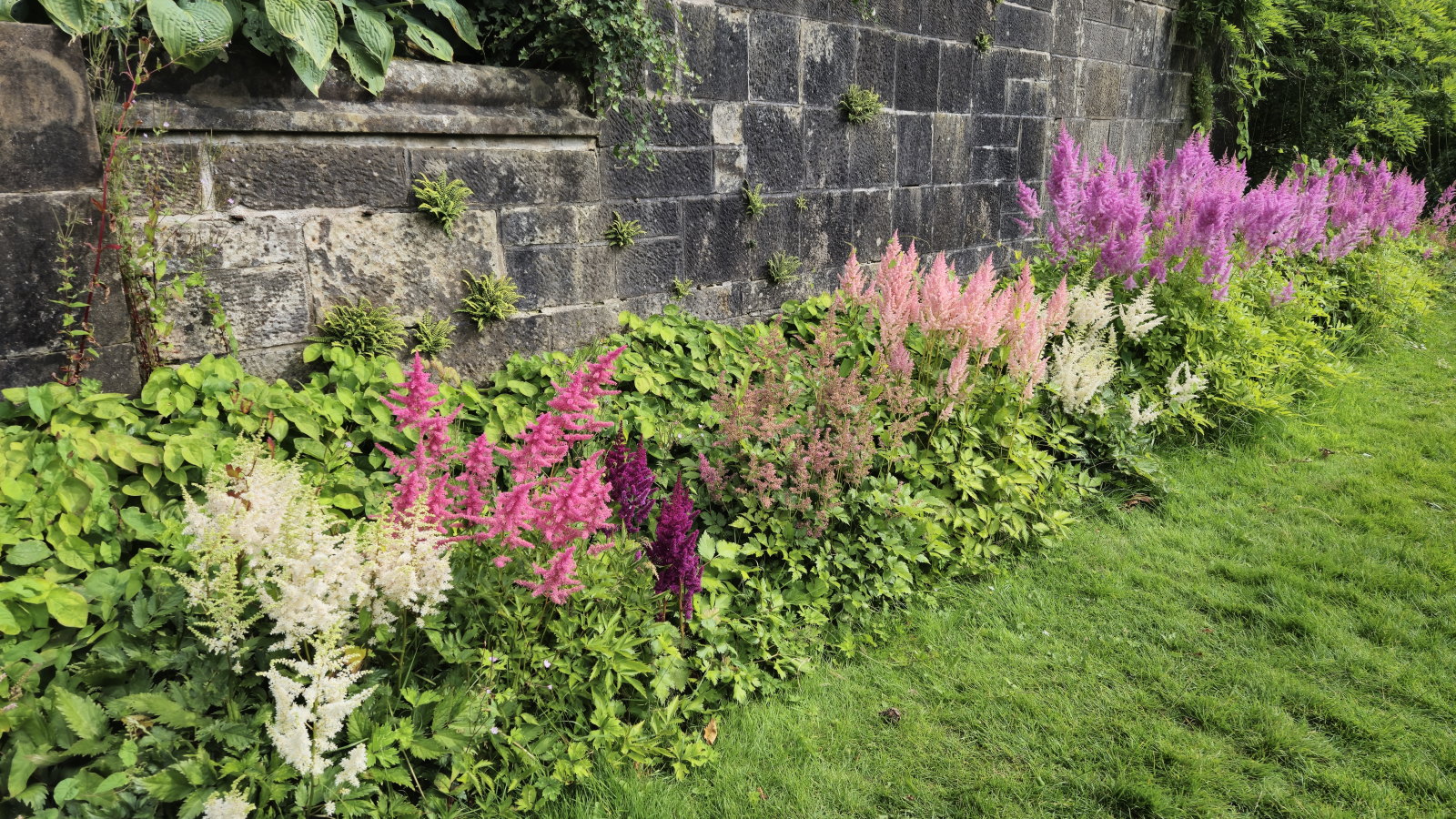
If you want a continuous-bloom feel, mix early, mid, and late-blooming astilbe varieties, and let the foliage carry the bed once the plumes fade.
Astilbe FAQ
Can astilbe grow in full shade?
Yes, especially in bright full shade, but blooms may be lighter. If you want the fullest plumes, give it dappled light or morning sun with reliable moisture.
Does astilbe like wet feet?
It likes consistently moist soil, and it tolerates heavier, slower-draining conditions better than many perennials. Still, it grows best when the soil has organic matter and air space. Think “moist sponge,” not “stagnant puddle.”
Should I cut back astilbe after it blooms?
You can. Deadheading is optional. Cutting spent plumes keeps things neat, but leaving a few adds texture. Either way, the foliage is the long-season star.
Why is my astilbe getting smaller each year?
The most common reasons are drought stress during summer, an old crowded clump that needs dividing, or too much dense shade. Start by checking moisture and then consider dividing in early spring.