
If you have ever walked out to admire your phlox or delphiniums and found the leaves dusted in a white film, you have met powdery mildew. It is one of those garden problems that looks dramatic, spreads quickly, and makes you feel like you missed something obvious. The good news is that most established perennials can recover beautifully once you slow the fungus down and adjust the conditions that helped it take off.
I have battled powdery mildew in more than one growing zone, and the pattern is often the same: lush growth, warm days, cool nights, and just enough crowding that humidity stays trapped around the leaves. Let’s walk through how to identify it confidently, treat it with organic options, and prevent it from coming back next season.
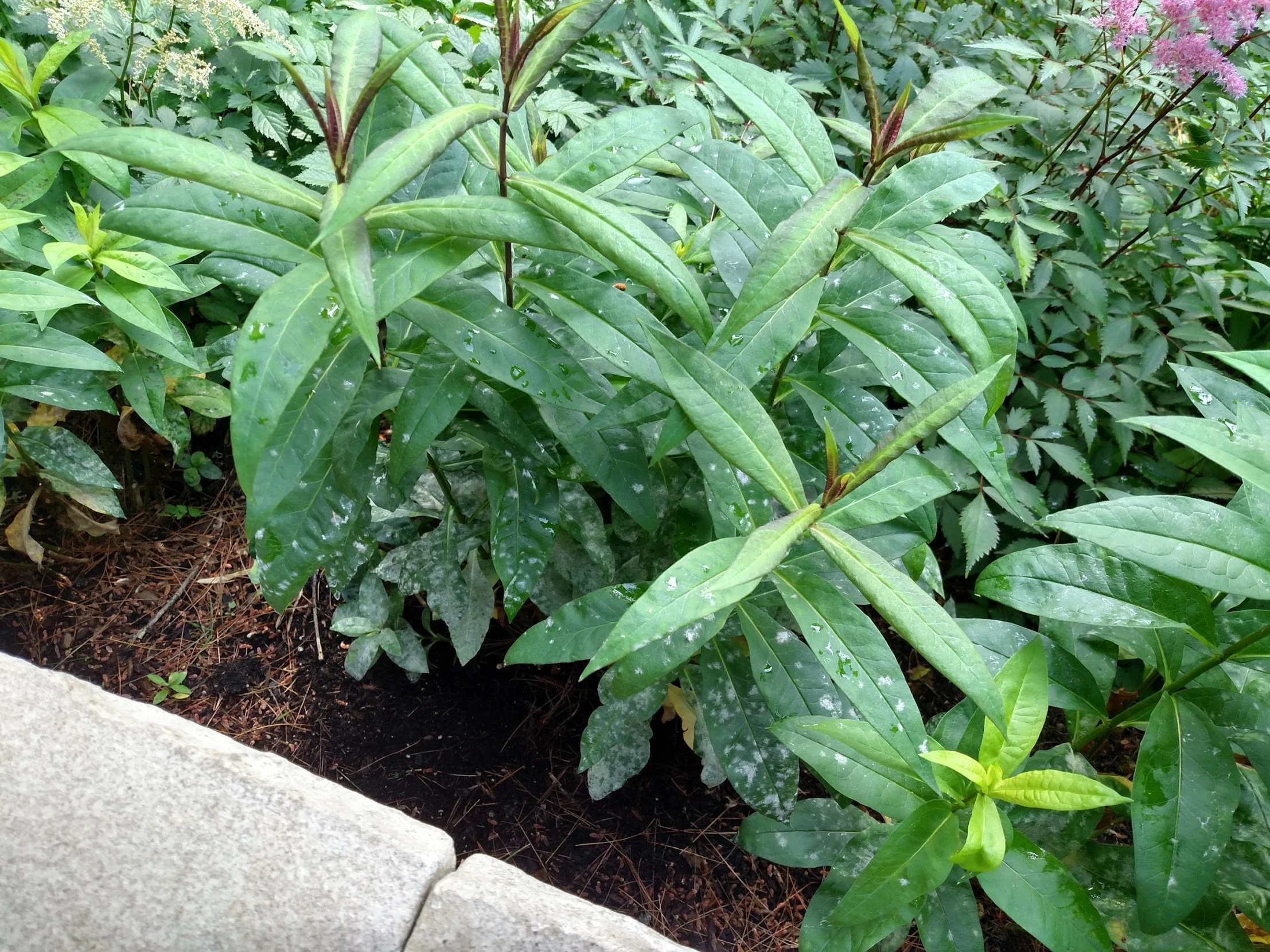
What it looks like
Powdery mildew is a group of fungi that forms a pale, talc-like coating on plant surfaces. Unlike many fungal diseases that need wet leaves, powdery mildew often thrives when humidity is high and airflow is limited. Think muggy evenings, crowded beds, and still corners of the garden.
Common signs
- White or gray powder on upper leaf surfaces, sometimes also on stems or buds
- Leaf yellowing or bronzing as the infection progresses
- Distorted new growth, especially on tender tips
- Premature leaf drop in heavy infections
Perennials that often get it
- Garden phlox (Phlox paniculata)
- Delphiniums
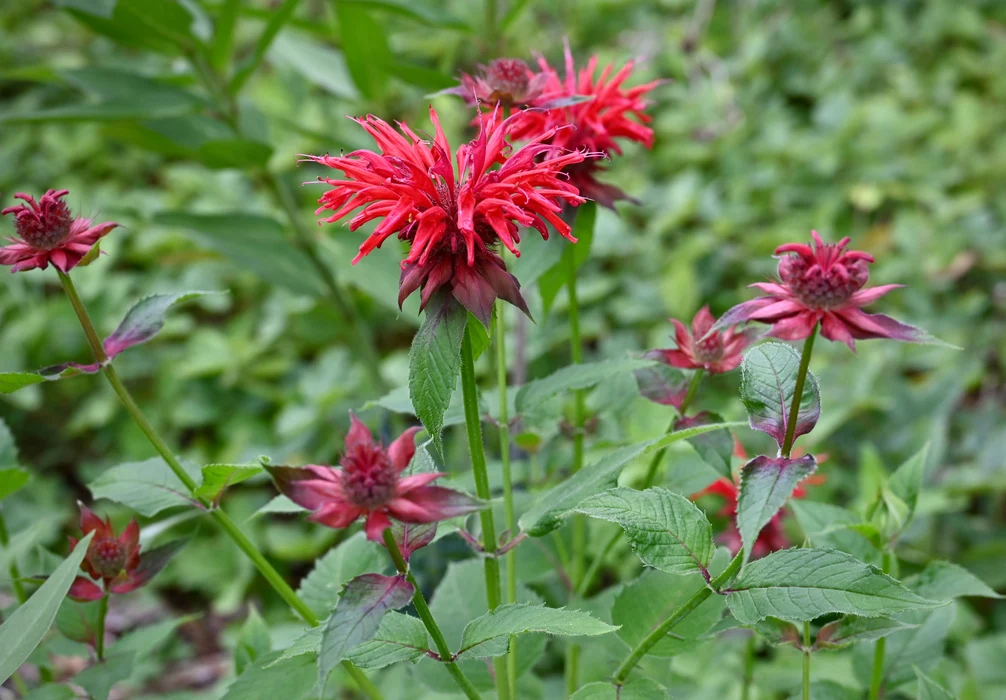
- Bee balm (Monarda)
- Peonies (usually late season, typically cosmetic)
- Shasta daisies
- Rudbeckia and some asters
- Hollyhocks (often severe)
One important comfort: powdery mildew is rarely a death sentence for mature perennials. It is more of a chronic stressor that can reduce bloom quality and weaken plants over time if it repeats year after year.
Look-alikes
Before you treat, make sure you are dealing with the right issue. A few things can mimic that pale, dusty look.
Quick checks
- Powdery mildew: Often wipes off like flour if you rub a leaf between your fingers, and it tends to start as small patches that expand. Pair this with the spread pattern and the way new growth starts to look dull or coated.
- Hard water residue: Usually appears after overhead watering and looks more like spots or a faint film. It does not spread leaf-to-leaf.
- Downy mildew: Often causes angular yellow spots on the top of leaves and a fuzzy gray or purple growth on the underside, and it usually needs extended leaf wetness.
- Spider mite stippling: Tiny pale speckles, webbing, and a generally dull look, not a uniform powdery coating.
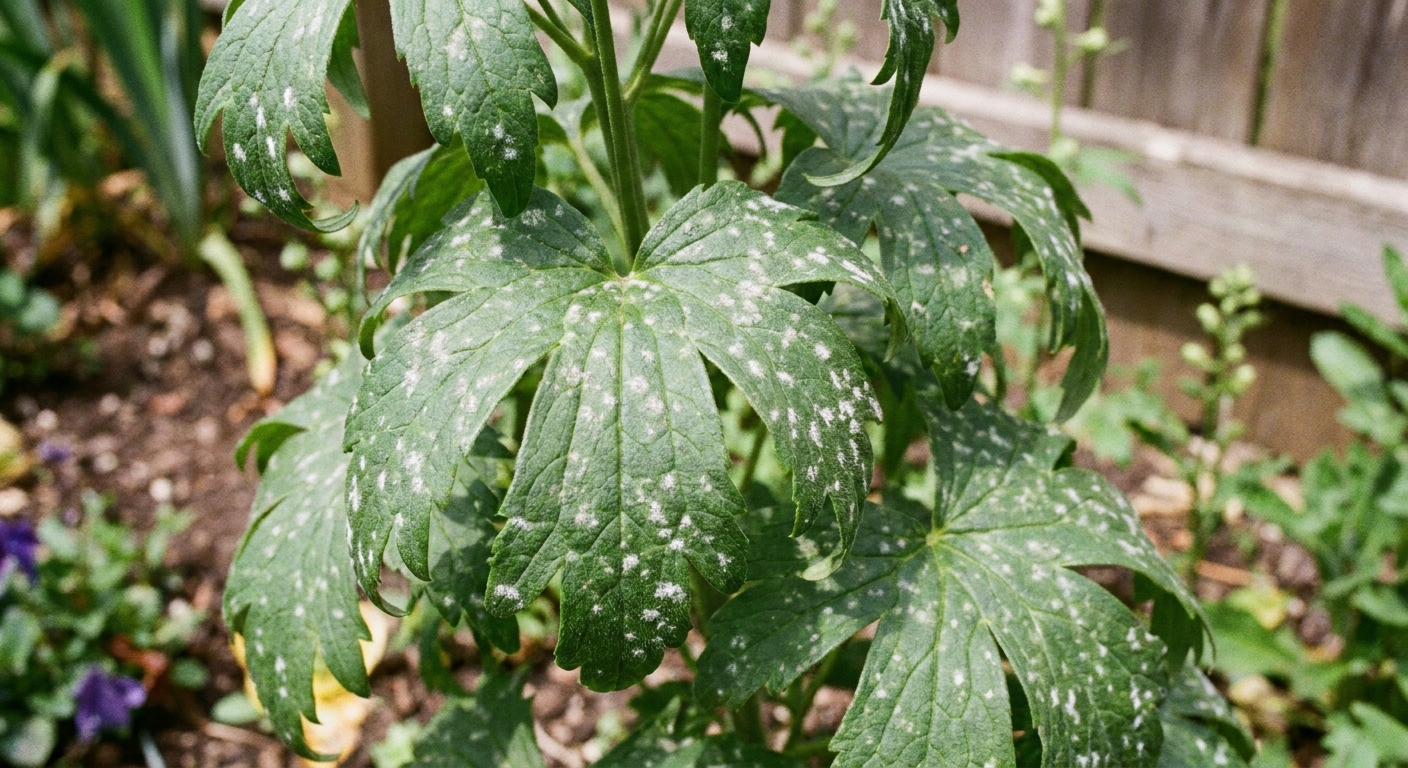
Why it spreads
Powdery mildew spores are common in the garden environment. What determines whether you see it is mostly plant stress and microclimate.
Top triggers I see again and again
- Crowding: Leaves overlap, air flow drops, and humidity stays trapped.
- Shade and low morning sun: Dew lingers longer, especially behind fences or dense shrubs.
- High nitrogen feeding: Fast, soft growth is more susceptible than slower, sturdier growth.
- Inconsistent watering: Drought stress followed by a surge of growth can increase susceptibility.
- Susceptible varieties: Some older cultivars are mildew magnets, particularly in humid summers.
This is why you can do everything “right” and still get a little mildew in a tough year. The goal is to keep it mild, slow, and manageable.
What to do now
If you spot powdery mildew, you will get the best results by combining sanitation with treatment. Here is my go-to order of operations.
One expectation check that helps: infected leaves usually do not “turn green again.” What you are aiming for is stopping spread and keeping the new growth cleaner.
Step 1: Remove the worst leaves
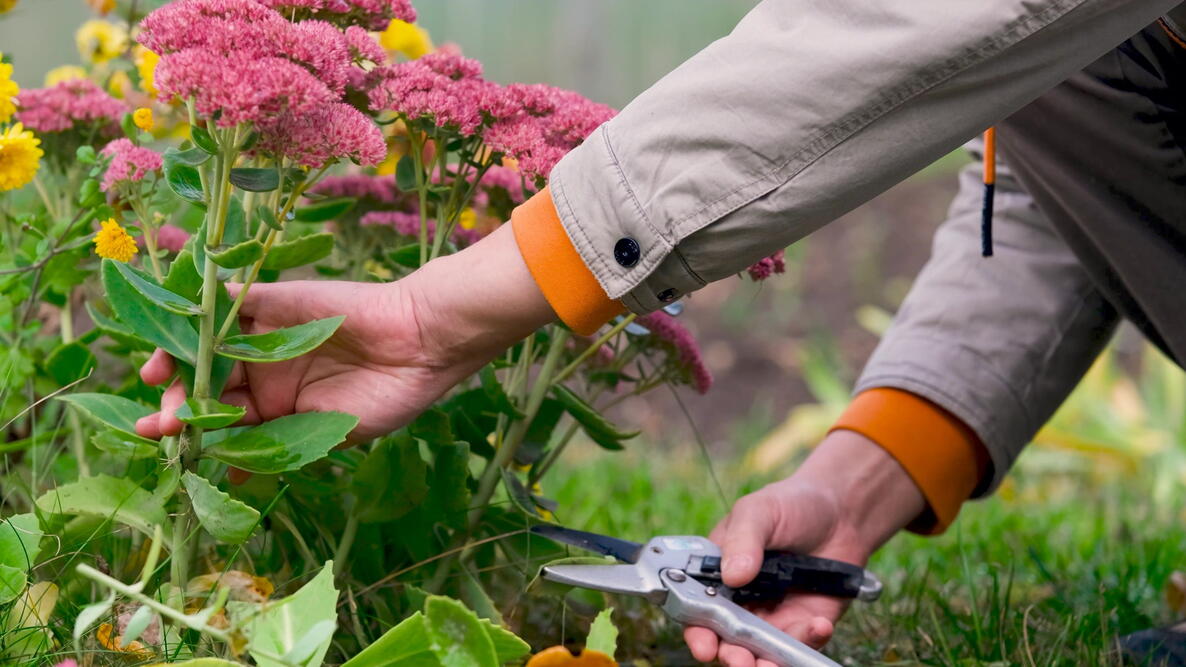
- Snip off heavily coated leaves and any badly distorted tips.
- Do not compost infected material if your compost pile does not get hot. Bag it or dispose of it.
- Clean pruners between plants with rubbing alcohol or a disinfecting wipe.
Step 2: Create breathing room
- Thin nearby stems to improve air flow.
- Stake floppy plants so foliage is not lying on neighboring plants.
- If a plant is jammed into a corner, plan a fall or early spring move to a brighter, breezier spot.
Step 3: Treat with an organic option
Organic treatments work best as early intervention plus repeat applications. You are not just “curing” leaves, you are interrupting the fungus so new growth stays cleaner.
Quick safety note: follow label directions, avoid breathing in sprays or dusts, and keep treatments off open blooms and busy pollinator areas when you can.
Organic treatments
When people say “organic fungicide,” it can mean a lot of things. Below are the options I reach for first, plus how to use them safely and effectively.
Potassium bicarbonate
This is one of the most satisfying options when mildew is already visible. Potassium bicarbonate changes the leaf surface conditions so the fungus struggles to survive.
- Best for: Visible outbreaks
- How to use: Follow label directions exactly. Thorough coverage matters, especially on young leaves and stems.
- Watch-outs: Avoid spraying in hot sun. Test a small section first on delicate plants.
Sulfur
Sulfur is a traditional organic fungicide that can be very effective as a preventive, especially in seasons when you know mildew is coming.
- Best for: Preventing repeat outbreaks on known problem plants
- How to use: Start before symptoms are widespread and reapply per label, especially after rain.
- Watch-outs: Do not use sulfur too close to horticultural oils. Follow your product label for the interval, which is often 14 days. Avoid applications during high heat to reduce plant stress.
Horticultural oil or neem oil
Oils can help suppress powdery mildew by coating spores and slowing spread. They can be helpful on sturdy plants, but they are not my first choice for tender, heat-stressed perennials.
- Best for: Light infections and prevention when temperatures are mild
- How to use: Spray in the evening or early morning. Coat both sides of leaves if possible.
- Watch-outs: Oils can burn foliage if applied in high heat or intense sun. They can also spot or mark petals, so aim for foliage and avoid spraying open blooms.
Biofungicides
Some products use beneficial microbes (often Bacillus species) to outcompete disease on leaf surfaces. I find these most useful when started early and applied consistently.
- Best for: Prevention and mild, early cases
- How to use: Reapply regularly as directed. Consistency is the whole point.
What about baking soda?
Baking soda recipes float around the gardening world for a reason: they can sometimes slow mildew. But concentrations strong enough to “work” can also damage leaves, especially in hot weather. If you want the bicarbonate approach, potassium bicarbonate products are generally more plant-friendly and reliable than kitchen baking soda.

How to spray well
Most mildew treatments fail because of timing and coverage, not because the product is useless.
My spraying checklist
- Spray early or late: Morning after dew dries, or evening when sun is off the foliage.
- Aim for full coverage: Tops of leaves, stems, and the new growth where infection spreads fastest.
- Repeat: Reapply on the schedule on the label, and after heavy rain if the product is not rainfast.
- Do not mix products casually: Some combinations can harm plants. When in doubt, stick with one approach for a couple rounds.
- Keep watching when weather shifts: In many gardens, powdery mildew slows in hot, dry stretches, but it does not always disappear. If you still see fresh coating on new growth, stay on your schedule.
Phlox and delphiniums
Garden phlox
Phlox is famous for powdery mildew, especially in humid summers or tight borders. The trick is to reduce the “leaf jungle” effect.
- Thin stems in late spring so air can move through the clump.
- Water at the base and mulch to keep moisture consistent.
- Deadhead and cut back lightly after the main flush to encourage fresh growth that is less infected.
- Choose resistant cultivars when replacing plants. Look for tags that say PM-resistant or mildew-resistant.
If you want a starting point for shopping, I have seen good resistance from phlox cultivars often sold as mildew-resistant, including ‘David’ and ‘Jeana’ in many regions. Local performance varies, so treat those names as leads, not guarantees.
Delphiniums
Delphiniums love cool roots and good air flow, and their big leaves can mildew when nights are cool and days warm.
- Give them space: Do not tuck delphiniums right against dense shrubs.
- Stake early: Upright growth dries faster and stays cleaner.
- Remove infected lower leaves first, since that is often where mildew starts.
- Consider a midseason cutback after the first bloom cycle in regions where mildew is relentless. A clean regrowth can bloom again in fall in some gardens.
Prevention basics
If you only change a few habits, make them these. Prevention is where you win the long game with powdery mildew.
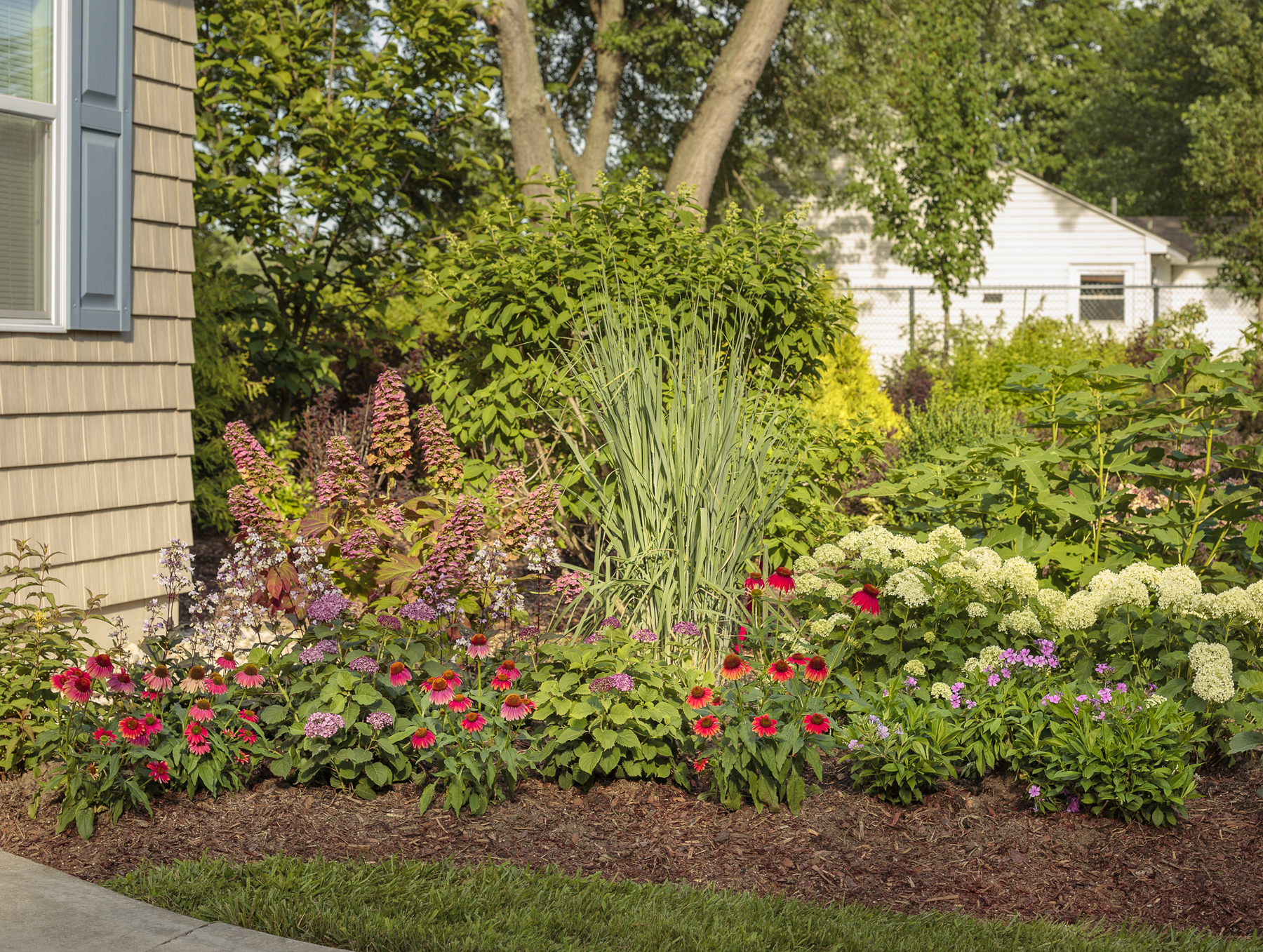
Space plants properly
It is so tempting to plant perennials at their baby size. I have done it plenty of times, then spent the next two summers playing referee in a too-tight bed.
- Use mature spread as your guide.
- Leave pathways for air, not just for your knees and garden cart.
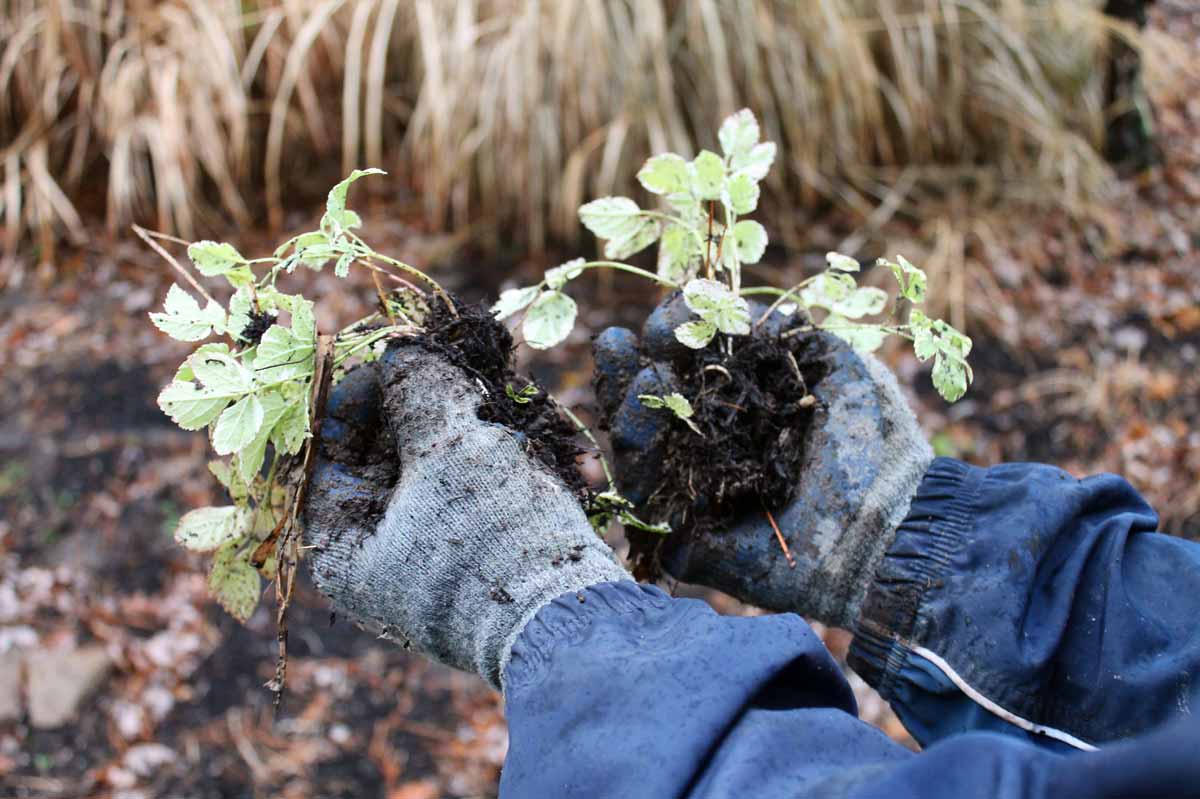
- Divide crowded clumps every few years.
Water the soil
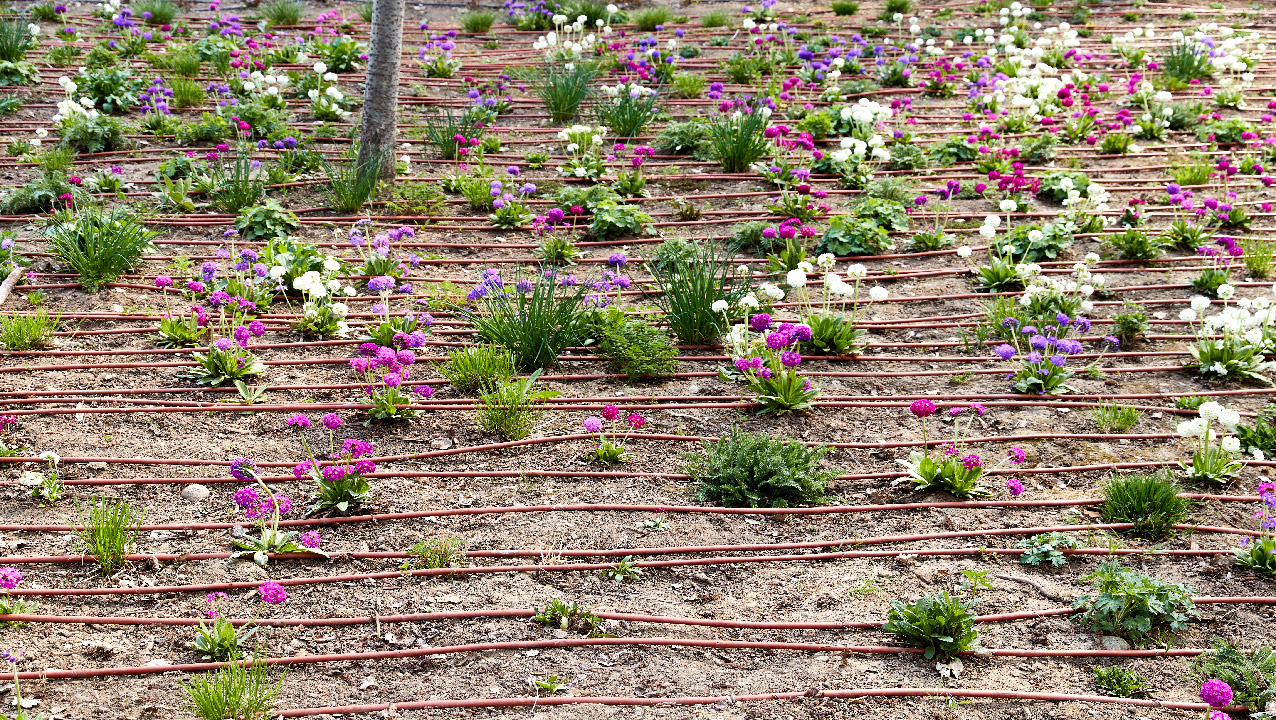
- Drip irrigation or a soaker hose is ideal.
- If you hand-water, aim low and water earlier in the day.
- Mulch helps keep moisture even, which reduces stress and susceptibility.
Go easy on nitrogen
High nitrogen pushes soft growth that mildews easily. If you fertilize, choose balanced, slow-release options and avoid overfeeding.
Morning sun and airflow
Morning sun dries dew quickly. If a bed stays shaded until midday, consider pruning nearby shrubs, relocating a susceptible perennial, or choosing a more resistant plant for that spot.
Choose resistant varieties
If one particular phlox or bee balm gets mildew every year, it is not a moral failure. It is information. Replacing one chronic problem plant with a resistant cultivar can make the whole bed easier to care for.
Fall cleanup
Powdery mildew spores can overwinter in garden debris depending on the specific mildew species and host plant. Fall cleanup helps reduce next year’s pressure, especially in beds that struggled.
- Remove and dispose of heavily infected foliage.
- Cut back perennials as appropriate for your climate and winter habitat goals.
- Clean stakes and cages.
- In spring, avoid piling fresh, susceptible growth right on top of last year’s infected leaves.
When to worry
Powdery mildew looks alarming, but it is often manageable. Here is how I decide whether to treat aggressively or simply tidy up and move on.
Treat aggressively if
- New growth is getting coated quickly
- Leaves are yellowing or dropping early
- The plant is young or recently transplanted
- You have repeated outbreaks year after year
Be more relaxed if
- It shows up late in the season after blooming
- It is limited to a few older leaves
- The plant is otherwise vigorous and well-established
A little powdery mildew late in summer is common in many gardens. The goal is not perfection. The goal is a bed that keeps blooming and comes back strong next spring.
FAQ
Will it spread to all my plants?
It can spread within susceptible plant groups, especially when plants are crowded. Many powdery mildew fungi are host-specific, meaning the mildew on your phlox is not necessarily the same one that would thrive on a completely different plant. Still, good airflow and early treatment help across the whole bed.
Can I compost mildew leaves?
If your compost pile heats up reliably, it may be fine. Many home compost piles stay cooler than we think unless they are large enough, kept moist, and turned regularly. If it is a cool pile that mostly sits, I recommend bagging heavily infected leaves instead of composting them.
Should I cut the whole plant down?
Sometimes. If a plant is badly infected and past its prime bloom, a cutback can remove a lot of fungus quickly and encourage cleaner regrowth. This works well for some perennials, but not all. When in doubt, start by removing the worst foliage and see how the plant responds.
Is it caused by overwatering?
Not directly. Powdery mildew thrives with humidity and poor airflow more than wet leaves. Overwatering can contribute by creating lush, tender growth and a dense canopy, but it is usually the combination of conditions that tips things over.
A simple yearly plan
If you want one straightforward approach you can repeat each year, here it is:
- Spring: Thin and stake susceptible plants early. Leave space for air. Avoid heavy nitrogen feeding.
- Early summer: Watch for first spots. Remove a few infected leaves immediately.
- Midseason: Apply an organic treatment if mildew is spreading, and repeat as directed.
- Late summer: Decide whether to cut back and encourage fresh growth or simply tidy and let the season finish.
- Fall: Clean up infected debris, divide crowded clumps, and plan spacing improvements.
Powdery mildew is persistent, but it is also predictable. Once you learn your garden’s pattern and give your perennials room to breathe, you will spend a lot less time worrying about that white dust and a lot more time enjoying the flowers you planted them for.