
I used to think fertilizing perennials was like giving kids sugar: a quick burst, followed by chaos. Then I learned (mostly through trial and error in three different growing zones) that feeding perennials is less about “more” and more about right plant, right time, right dose. Many perennials are wonderfully forgiving, but when they are underfed or fed at the wrong moment, you will see it: floppy stems, fewer blooms, pale leaves, or lush growth that tips over after the first summer rain.
This guide will help you choose between organic and synthetic fertilizers, understand NPK ratios in plain language, and nail your timing so your beds stay full, sturdy, and flower-happy year after year.
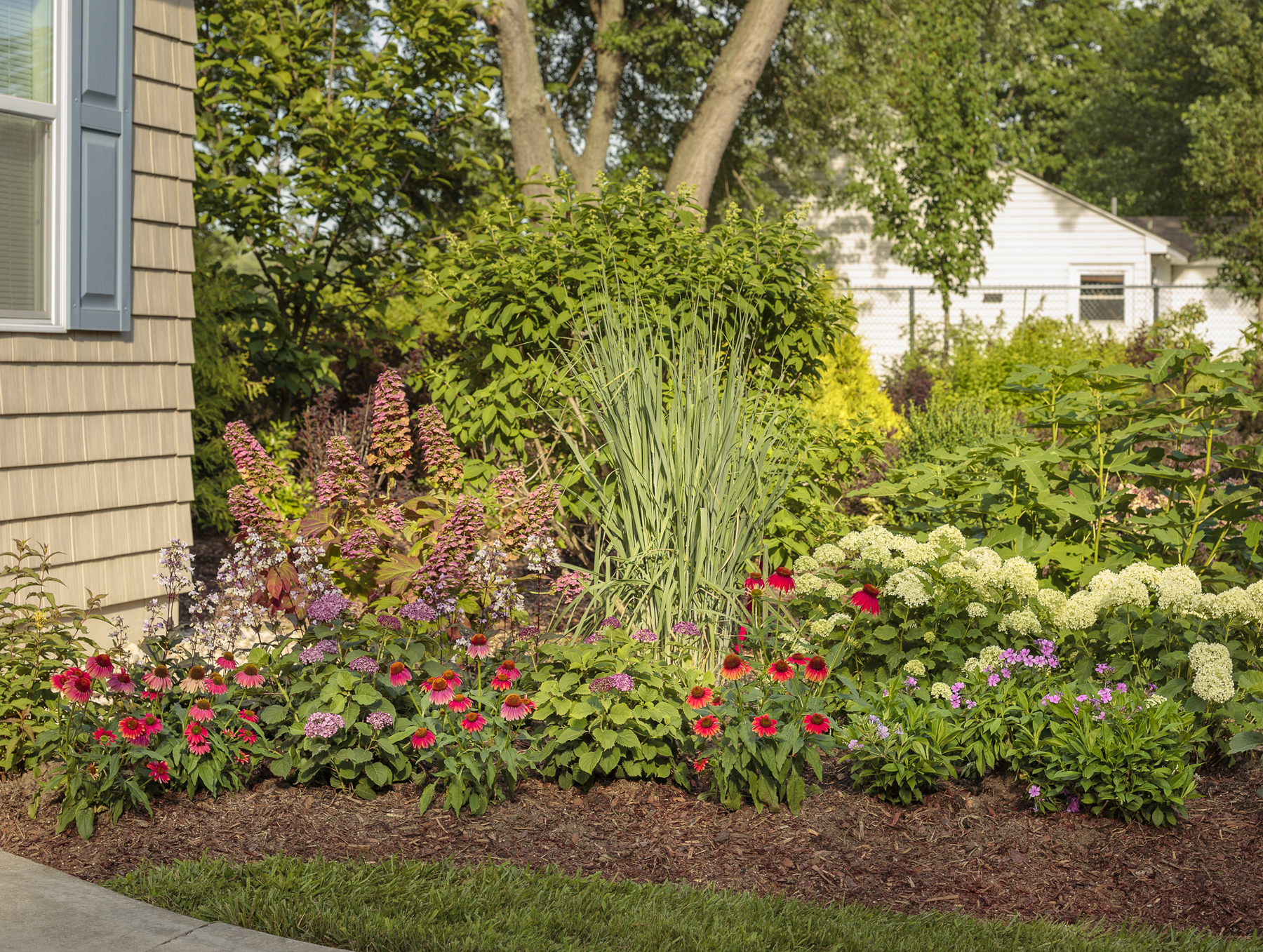
Do perennials actually need fertilizer?
Sometimes yes, sometimes not much, and sometimes only in very specific situations. In a mature bed with rich soil and a yearly top-dressing of compost, many perennials will do just fine with minimal extra feeding. But fertilizer becomes genuinely helpful when:
- You are building new beds in poor, sandy, or construction-disturbed soil.
- Plants look depleted even with good watering: slow growth, pale leaves, fewer blooms.
- You divide and replant clumps and want quicker recovery.
- You garden in containers, where nutrients wash out fast.
- You grow heavy feeders (think big, bloom-hungry plants like delphiniums, phlox, daylilies, and many long-blooming border favorites).
One caveat: yellowing leaves are not always a nitrogen issue. It can also be pH-related or tied to iron or magnesium availability, especially in alkaline soils. If feeding does not help, a soil test is the fastest way to stop guessing.
My rule of thumb: feed the soil first (compost, leaf mold, mulch), then use fertilizer as a targeted tool, not a reflex.
NPK, decoded (without the chemistry headache)
Every fertilizer label shows three numbers like 10-10-10 or 5-10-5. That is the NPK ratio:
- N = Nitrogen: leafy growth and overall vigor
- P = Phosphorus: roots and flower development (and early establishment)
- K = Potassium: overall plant resilience, stress tolerance, stem strength
Here is the labeling nuance most of us are not taught up front: those numbers are percentages by weight of nitrogen (N), available phosphate (as P2O5), and soluble potash (as K2O). In everyday gardening language, we still say “phosphorus” and “potassium,” but the bag is reporting them in those forms.
Which NPK is best for perennials?
For established perennial beds, you are usually aiming for balanced growth and sturdy blooms, not a leafy growth spurt. These are common, practical choices:
- Balanced (like 5-5-5, 10-10-10): a safe all-purpose option when you are not sure.
- Lower nitrogen (like 5-10-10 or 4-6-8): often helpful for bloomers that get floppy with high nitrogen.
- Higher nitrogen (like 12-4-8): best reserved for early spring recovery when foliage is the priority, or for plants clearly showing nitrogen deficiency.
One important caveat about phosphorus
Many soils already have adequate phosphorus, especially where lawns and gardens have been fertilized for years. Too much phosphorus can contribute to runoff issues and can also nudge the soil toward micronutrient imbalances, notably with iron and zinc. If you want the most accurate answer, a simple soil test is worth doing every few years.
Organic vs. synthetic: what is the real difference?
Both types can grow beautiful perennials. The biggest differences are speed, soil impact, and how forgiving they are if you accidentally overdo it.
Organic fertilizers
Organic fertilizers come from plant or animal sources, and they rely on soil life to break them down. They tend to feed more slowly and support long-term soil structure and microbial activity.
Pros
- Gentler and less likely to burn when used correctly
- Improves soil health over time
- Often provides trace minerals along with NPK
Cons
- Slower to show results, especially in cool spring soils
- Nutrient content can be lower or more variable
- Some products can attract pets or wildlife if left on the surface
Common organic choices for perennial beds
- Compost: not a “fertilizer” by label, but a wonderful yearly foundation
- Composted manure: great for building soil; well-aged composted manure is generally safe, while fresh manure or high-salt manures are where “burn” problems show up
- Bone meal: traditionally used for phosphorus, best if a soil test shows low P
- Blood meal: fast nitrogen, easy to overdo, use carefully
- Fish emulsion: quick boost, especially in spring or after division
- Kelp/seaweed: trace minerals and stress support, mild NPK
Synthetic fertilizers
Synthetic fertilizers are manufactured mineral salts. They can be fast-acting (water-soluble) or slow-release (granular coated). They deliver nutrients in a more immediately available form.
Pros
- Predictable nutrient analysis and quick response
- Helpful for correcting deficiencies fast
- Slow-release formulas can be very convenient
Cons
- Greater risk of overfeeding and fertilizer burn
- Does not improve soil structure on its own
- Fast-release types can leach more easily if overapplied or watered heavily
So which should you choose?
If you love a low-fuss, soil-building approach, lean organic and use compost plus a gentle granular organic feed in spring. If your bed needs a reliable boost and you want clean, measurable results, a slow-release synthetic can be a practical tool. Many gardeners (me included) use a hybrid approach: compost as the base, and a targeted fertilizer only where it is truly needed.
Slow-release granular vs. water-soluble
Slow-release granular (great for most beds)
Slow-release granular fertilizers release nutrients gradually over weeks or months, depending on temperature and moisture. This steadier pace is ideal for perennials because it supports consistent growth and reduces the “too much, too fast” problem.
- Best for: spring feeding of established beds, mixed borders, and gardeners who prefer one main application
- Look for: labeled release period such as 8 to 12 weeks or 3 to 4 months
- Tip: water well after application so granules settle into the soil surface
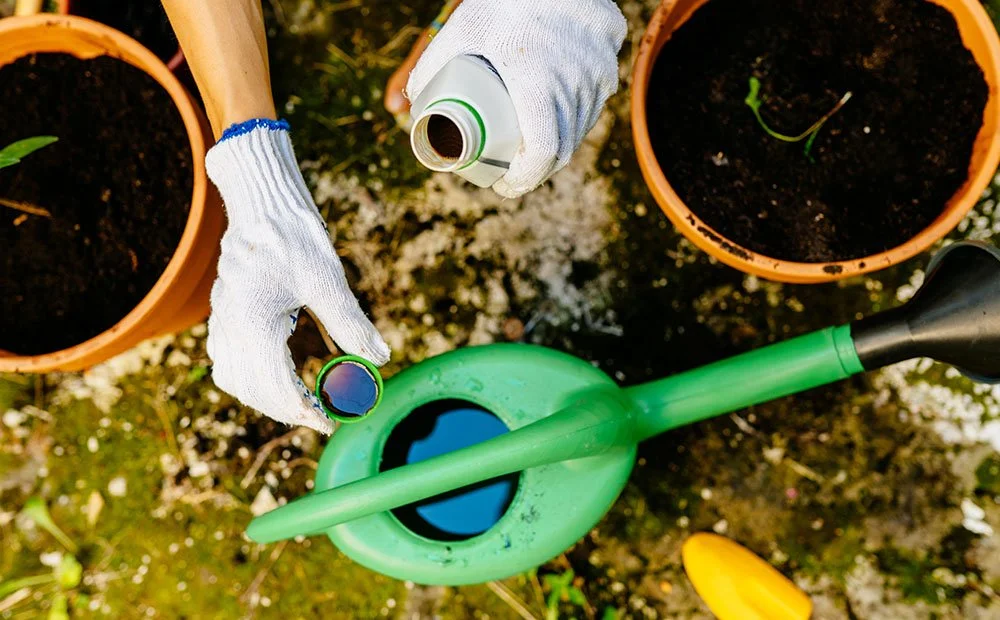
Water-soluble (best for quick corrections)
Water-soluble fertilizers act fast, which can be handy when you need a quick turnaround. They also wash through soil faster, so they require more frequent applications.
- Best for: containers, newly divided plants that need modest support, perennials that are struggling midseason
- Tip: start at half-strength if plants are stressed or if weather is hot
When to fertilize perennials
Timing matters as much as product choice. Feeding at the wrong time can push weak growth, reduce blooms, or keep plants too soft heading into winter.
Early spring: the main feeding window
For most perennials, early spring is the sweet spot, right as shoots emerge and you can see new growth. At this stage, plants are waking up, building stems and leaves, and preparing for bloom.
- Apply compost (a 1 to 2 inch top-dressing) if you can.
- Add a slow-release granular fertilizer if your soil is lean or plants are historically underwhelming.
- Water after applying, especially if rain is not in the forecast.
Late spring to early summer: a targeted boost
This is where you decide based on what you see. If growth looks strong and green, you can often skip it. If blooms are smaller than usual or foliage is pale, a modest feeding can help.
- Good candidates: long-blooming perennials, newly planted perennials (once established), and true heavy feeders
- Watch nitrogen: avoid pushing lots of nitrogen right before bloom on plants that already flop
Midsummer: only if needed
In midsummer, I fertilize like I prune: thoughtfully, and with a reason. If you feed aggressively during heat, you can encourage tender growth that struggles with drought and pests.
- Use a mild organic feed or a light water-soluble application for tired containers.
- For rebloomers, a small post-deadheading feed can support the next flush.
Late summer to fall: usually stop nitrogen
In most climates, stop fertilizing with quick-release or nitrogen-heavy products about 6 to 8 weeks before your first expected frost. Late feeding can encourage soft growth that is more likely to be winter-damaged. Slow-release products applied earlier in summer are a different story, since you are not “pushing” the plant in the same way.
Fall is the time for soil care, not growth-pushing fertilizer:
- Top-dress with compost.
- Mulch after the ground cools, not while it is still hot.
If you remember one thing: feed as growth begins, not as winter approaches.
How to apply fertilizer safely
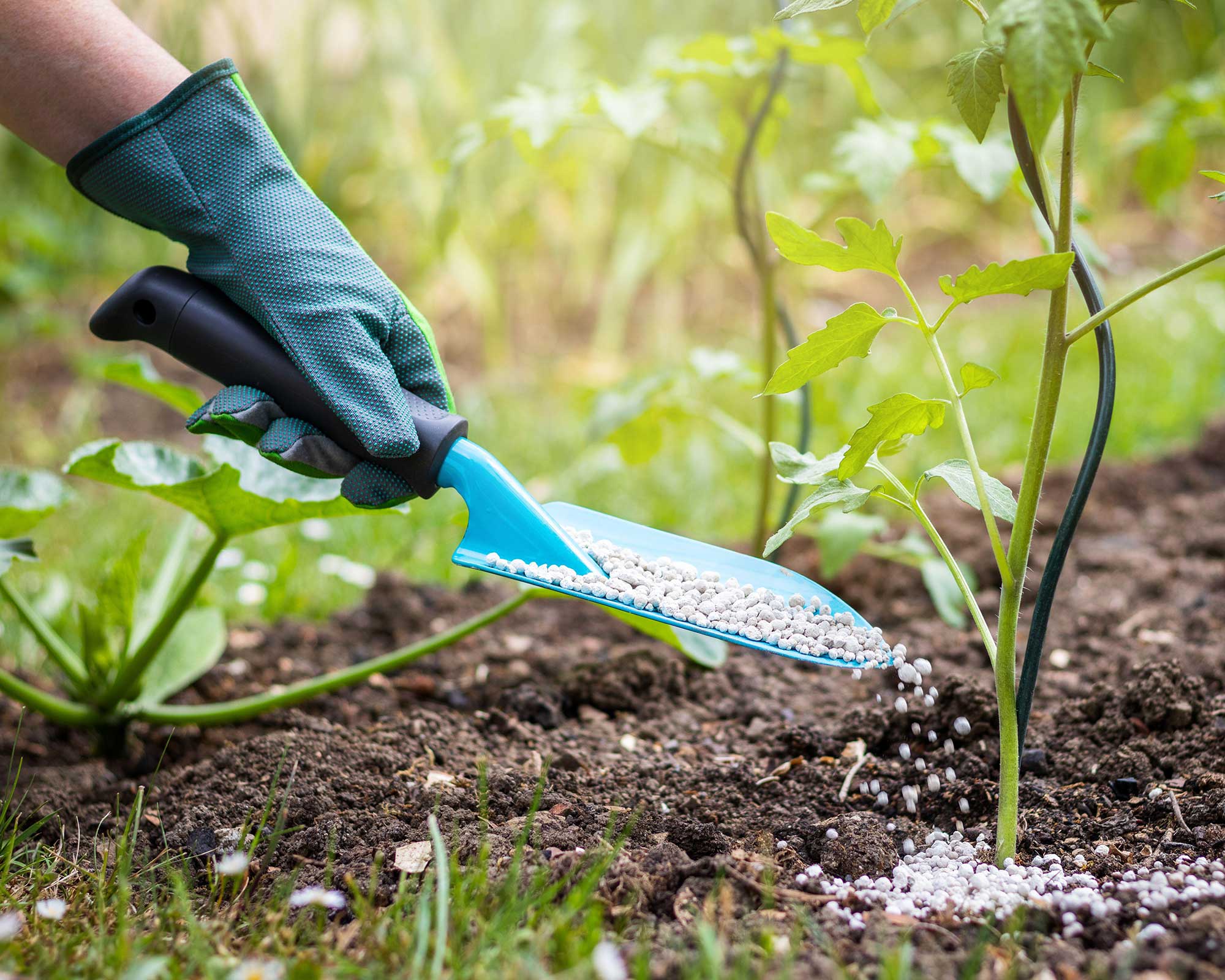
Granular fertilizer basics
- Read the label and measure. “A little extra” is where problems begin.
- Keep granules off crowns and foliage, especially on young shoots.
- Apply to moist soil when possible, then water in.
- Broadcast evenly around the drip line of the plant, not right at the stem.
- Be runoff-smart: avoid fertilizing right before heavy rain, and sweep stray granules off pavement so they do not wash into storm drains.
Liquid fertilizer basics
- Water first if soil is dry, then feed. Dry soil plus fertilizer can shock roots.
- Feed in the morning on hot days to reduce stress.
- Aim for the soil, not the leaves, unless the product specifically recommends foliar feeding.
Signs you are overfertilizing
Overfeeding is more common than underfeeding, especially in rich beds that already get compost and mulch.
Common signs
- Lots of lush, floppy leaves with fewer blooms
- Sudden surge of soft growth that attracts aphids
- Leaf tip burn or browning edges
- Plants that topple easily, even with support
How to fix it
- Stop feeding for the season.
- Water deeply to help move salts through the root zone (especially with synthetics), as long as drainage is good.
- Add compost later instead of more fertilizer. Compost supports recovery without pushing a growth spike.
Plant-specific notes
Newly planted perennials
For new plantings, I focus on soil prep and modest support. Overfertilizing new roots can backfire.
- Mix compost into the planting area if needed.
- Use a mild, balanced slow-release fertilizer after you see new growth taking off, not on day one.
Blooming giants that flop
If tall perennials get leggy and fall over, high nitrogen is often part of the story.
- Choose a lower-nitrogen fertilizer.
- Prioritize full sun, proper spacing, and early-season supports.
Peonies and other modest feeders
Some classics, peonies included, are happier with restraint. Too much nitrogen can mean gorgeous foliage and fewer flowers.
- Stick to compost plus a light spring feeding if your soil is lean.
- If you fertilize, keep nitrogen modest.
Woodland and shade perennials
Many shade lovers prefer modest feeding. Too much fertilizer can create big leaves and weak stems.
- Use compost and leaf mold as your primary “feed.”
- Fertilize lightly in spring only if growth is clearly weak.
Container perennials
Containers are a different world. Nutrients wash out quickly and roots are confined.
- Use slow-release granules at planting time (or spring refresh).
- Supplement with a diluted liquid feed during peak growth if needed.
A simple fertilizing plan
If you want a straightforward routine for most perennial flower beds, here is the one I lean on:
- Early spring: top-dress with compost. If your bed tends to struggle, add a slow-release balanced fertilizer.
- Late spring: reassess. Feed only the plants that look pale, slow, or bloom-shy.
- After the first big bloom flush (optional): lightly feed repeat bloomers if they are healthy and you want a second show.
- Late summer onward: stop quick-release feeding and shift to mulching and soil care.
This approach keeps perennials sturdy and floriferous without turning your border into a jungle of leaves.
FAQ
Is compost enough fertilizer for perennials?
Often, yes. Compost improves soil structure and provides slow, steady nutrition. In rich, established beds, compost alone may be all you need. In newer beds or poor soil, a supplemental fertilizer can make a noticeable difference.
Should I fertilize perennials when they are blooming?
A light, targeted feeding can help some long-blooming perennials, but heavy feeding during bloom can push foliage instead of flowers. If you feed while blooming, keep it modest and avoid high nitrogen.
Do I need a “bloom booster” fertilizer?
Not automatically. Bloom boosters are typically higher in phosphorus, which your soil may already have. If plants are healthy but not blooming well, check sun, spacing, watering, and deadheading first. A soil test is the best way to know if extra phosphorus is warranted.
How often should I do a soil test?
Every 2 to 3 years is a sensible rhythm for most home gardens, and any time you are troubleshooting a stubborn issue. A basic test usually covers pH, phosphorus, potassium, and sometimes magnesium and calcium. Many local cooperative extension offices and garden centers offer soil testing services or mail-in kits.
Can fertilizer replace good soil?
No, and this is one lesson I learned the slow way. Fertilizer supplies nutrients, but it does not fix compaction, poor drainage, or lack of organic matter. Healthy soil is what makes nutrients usable and roots resilient.
Closing thoughts from one perennial-obsessed gardener
If fertilizing feels intimidating, start small. Pick one approach, do it in spring, and watch how your plants respond. Perennials are great teachers. They will tell you, season by season, what they need, as long as you give them the chance to speak through their leaves and blooms.
And if you ever find yourself standing in the garden aisle staring at a wall of fertilizer bags, remember: compost plus a gentle spring feed solves an astonishing number of problems.