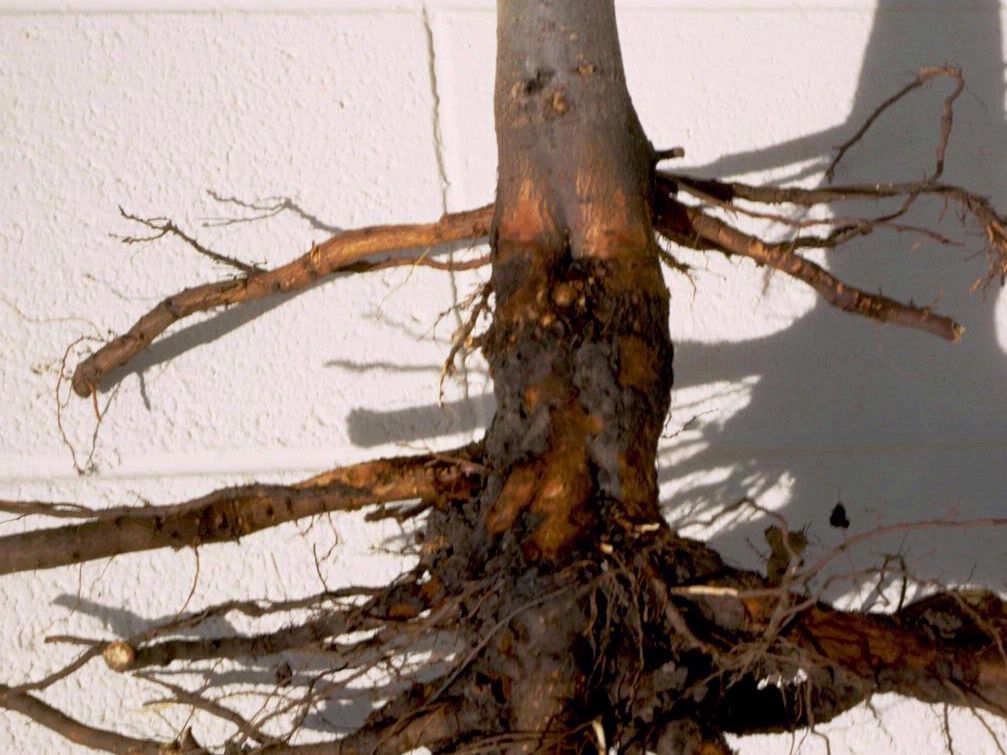

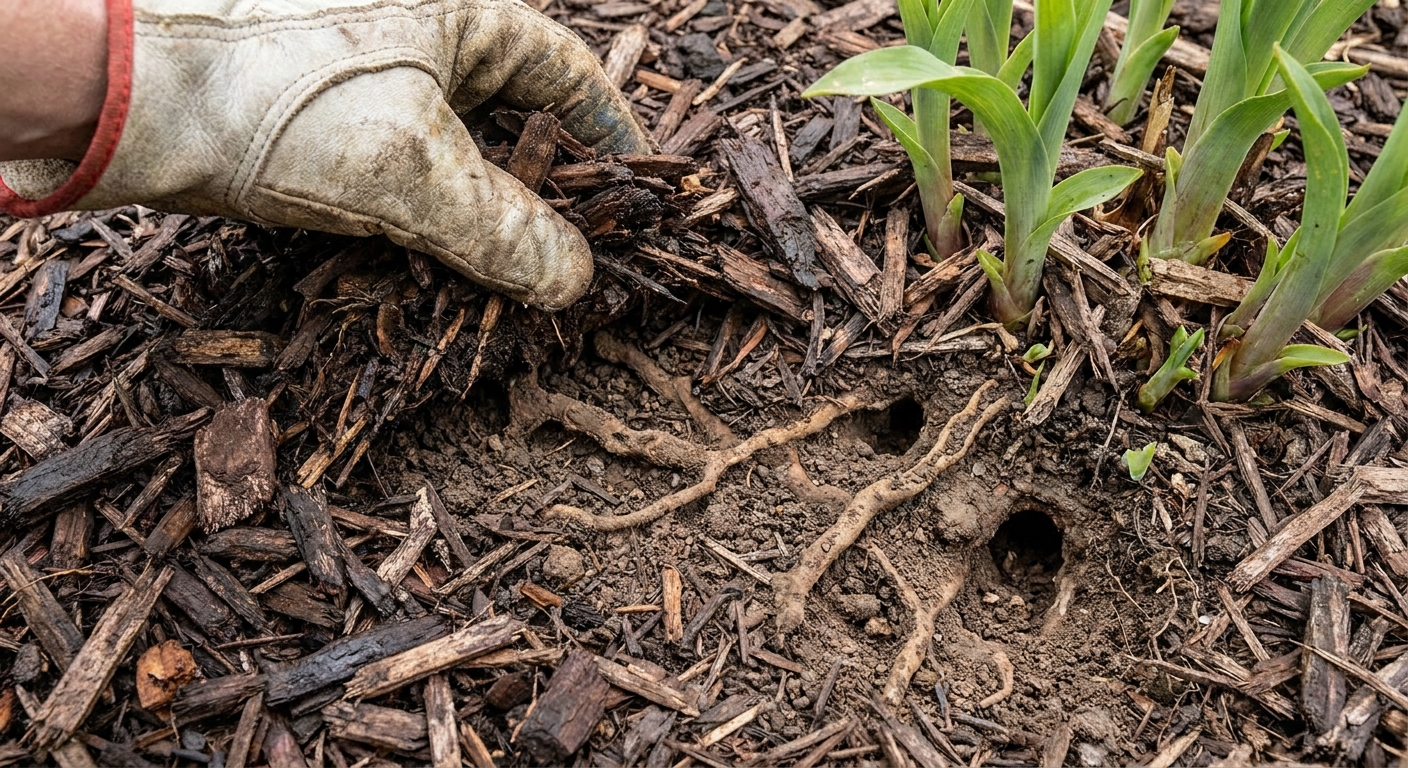
The first time I lost a clump of daylilies to voles, I blamed winter. The plants leafed out beautifully in spring, then one warm day they simply keeled over, like someone had unplugged them. When I tugged, the whole crown lifted with almost no resistance. Underneath was a neat little tunnel system and a root ball that had been chewed down to stubs.
If you have perennials that repeatedly “mysteriously” die, especially after snow cover or a wet winter, it is often not disease at all. It is underground feeding. The good news is you do not have to accept it. With a few targeted defenses, you can protect the roots and overwintering structures that keep your perennials coming back year after year.
Who is chewing your perennials?
Several critters tunnel or dig, but they leave different clues. Identifying the right pest matters because the fix for moles is different from the fix for voles.
Voles
- What they do: Eat roots, crowns, tubers, and bulbs. They also girdle stems at soil level.
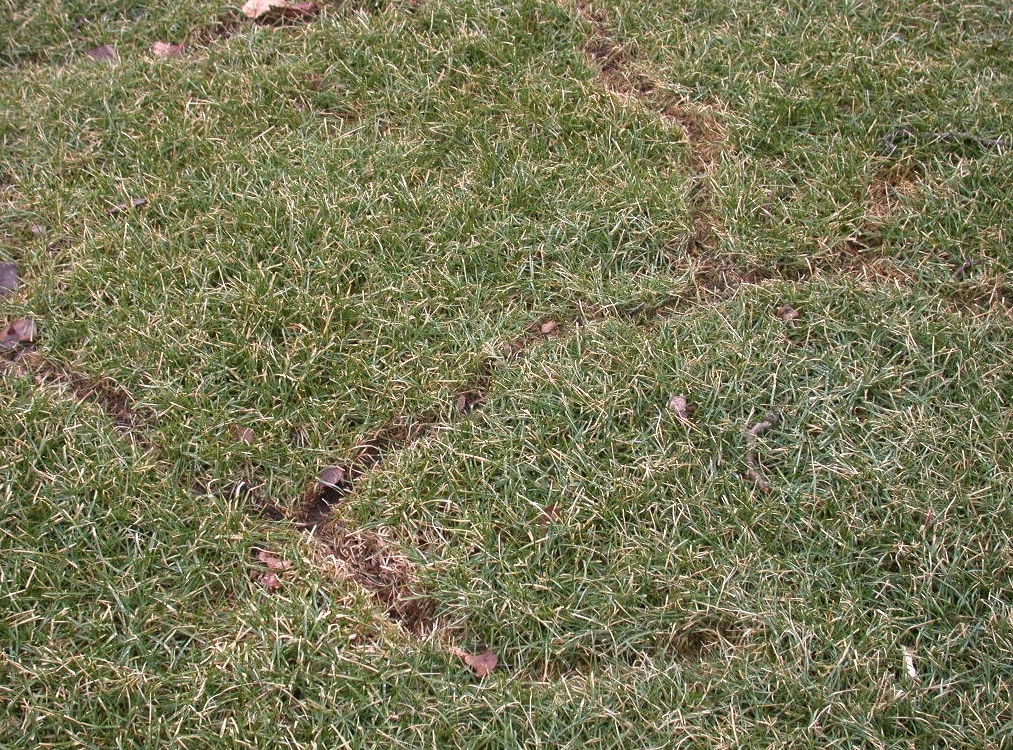
- Clues: Shallow surface runways in grass or mulch, small holes often around 1 to 1.5 inches wide, no big soil mound. (Hole size alone is not diagnostic. Look for runways and chewing, too.)
- When damage spikes: Fall through early spring, especially under snow or thick mulch where they feel protected.
Moles
- What they do: Eat insects and worms, not plants. Their tunneling can still loosen roots and dry out plants.
- Clues: Volcano-like soil mounds and raised ridges.
Chipmunks and rats
- What they do: Dig and cache bulbs, chew crowns, and widen tunnels.
- Clues: Larger openings near foundations, rock walls, woodpiles, or dense groundcovers.
Gophers (where present)
- What they do: Pull whole plants underground and feed on roots.
- Clues: Fan-shaped soil mounds, plugged openings, sudden plant disappearance.
Fast diagnosis: is it voles?
Here is my quick “garden walk” checklist. If you can say yes to two or more, treat it like a vole problem.
- Plants wobble easily or lift out with minimal roots attached.
- You see narrow runways through lawn, leaf litter, or mulch, like tiny paths.
- Damage concentrates near dense cover: groundcovers, tall ornamental grasses, stone borders, or thick winter mulch.
- You find gnaw marks on crowns, tubers, or bulbs, often with a rough, chewed look.
- Losses are worst after a winter with long snow cover or after you tucked beds in extra cozy.
Tip: Pull back mulch and look for openings right against the plant base. Voles like to keep their bodies hidden under cover while they chew at the crown.
The three-part defense that works
In my experience, the most reliable approach is layered. You reduce shelter, protect the roots physically, and remove the animals that are already active.
1) Reduce cover in the danger zones
Voles avoid open, exposed spaces where hawks and owls can spot them. Your goal is not a bare garden, but fewer hidden highways straight into the crown of your plants.
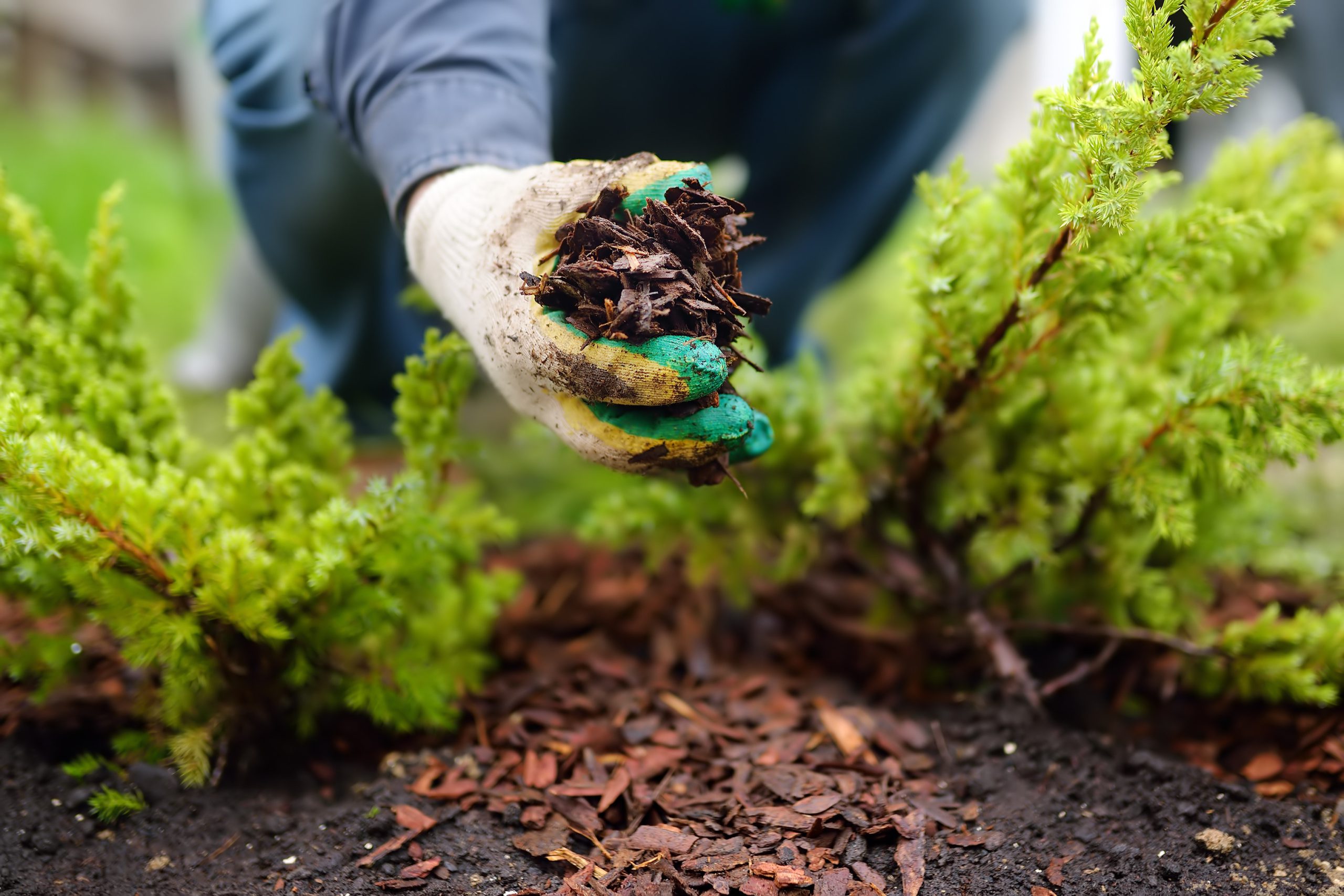
- Keep mulch pulled back 3 to 6 inches from the crowns of vulnerable perennials (hosta, daylily, echinacea, heuchera, sedum, asters, shasta daisies) and around bulbs.
- Skip the fluffy winter blanket right on top of crowns. Use a lighter, airier mulch layer across the bed instead of piling it thick at the base of plants.
- Trim dense groundcover edges so there is not a continuous protected corridor from shrubs to flower beds.
- Mow or cut down tall grasses near beds before winter. Those clumps can be vole condos.
If you only do one cultural change, do this: do not let mulch touch the crown. It is amazing how often that reduces repeat damage.
2) Use hardware cloth to protect what matters most
Hardware cloth is the gold standard for protecting roots and overwintering structures because it is a physical barrier voles cannot chew through easily.
Choose the right mesh: Use 1/4-inch galvanized hardware cloth for voles. 1/2-inch is sometimes large enough for smaller voles to squeeze through, especially juveniles.
Hardware cloth baskets for bulbs and tubers
This is my favorite method for tulips, lilies, crocosmia, dahlias you overwinter in ground where possible, and any “irresistible” bulb.
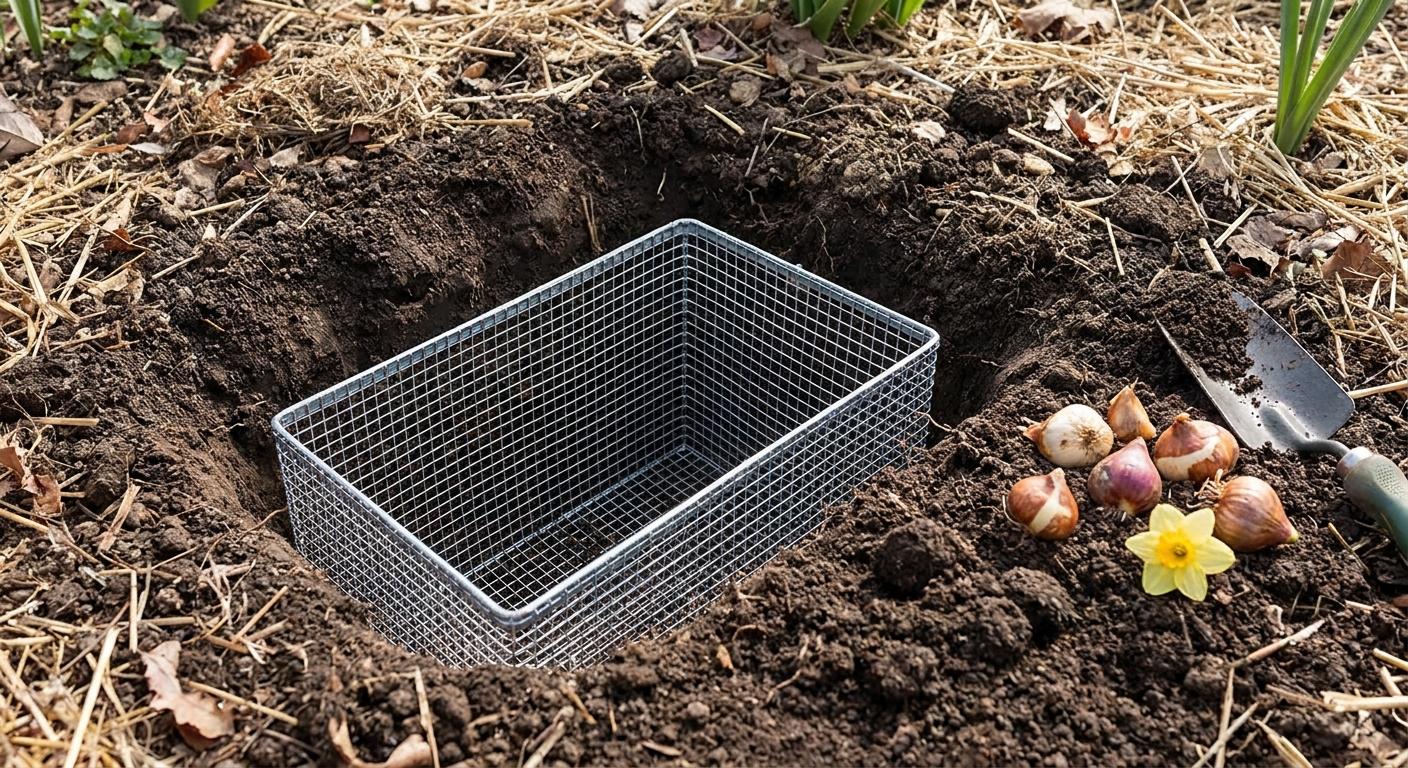
- Cut a piece of 1/4-inch hardware cloth large enough to form a box with sides at least 6 inches tall.
- Fold up the sides and fasten corners with galvanized wire.
- Set the basket in the planting hole, add soil, plant bulbs, then cover with 2 to 3 inches of soil.
- If vole pressure is intense, add a hardware cloth lid and staple or wire it on, leaving room for shoots.
Depth note: Place the basket so there is soil between the basket and the surface. You do not want metal exposed where it can snag tools and hands.
Root guards for perennial crowns
For perennials that keep getting hit, you can create a wider cylinder guard rather than a tight basket.
- Form a cylinder of 1/4-inch hardware cloth 10 to 14 inches across and 8 to 12 inches deep.
- Set it in the hole so the top edge sits 1 inch above soil level, just enough to break the runway.
- Backfill, plant, and keep mulch pulled back from the rim.
This is especially helpful for young plants you are trying to establish and for plants with crowns that sit near the surface.
Castor oil: a useful add-on
Castor oil is not a magic force field, but it can be useful as part of a layered plan. It is sold in ready-to-spray products marketed for moles and voles. In real gardens, results can be mixed, and it tends to be temporary, so I treat it as an adjunct, not a main defense.
Where castor oil helps most
- Perimeter defense: Treat the lawn or bed edges where runways enter.
- After rain or irrigation: Reapply when tunnels become active again.
- When you are resetting a bed: Apply after you install hardware cloth guards and clean up cover so the area is less inviting.
How to use it effectively
- Follow label rates if using a commercial product. Overapplying can cause leaf spotting or other plant injury if it gets on foliage.
- Water it in when instructed. The goal is to move the repellent into the top few inches of soil where voles travel.
- Reapply consistently for a few weeks during active periods, then maintain as needed.
Two cautions: (1) Avoid spraying any castor oil mix directly on tender foliage, especially in hot sun. (2) If the garden is providing food and dense cover, repellents alone rarely hold the line.
Safe trapping: the quickest way to stop ongoing damage
If you are actively losing plants, trapping is often the fastest way to protect what remains. I know it can feel intimidating, but it is straightforward once you find the runways.
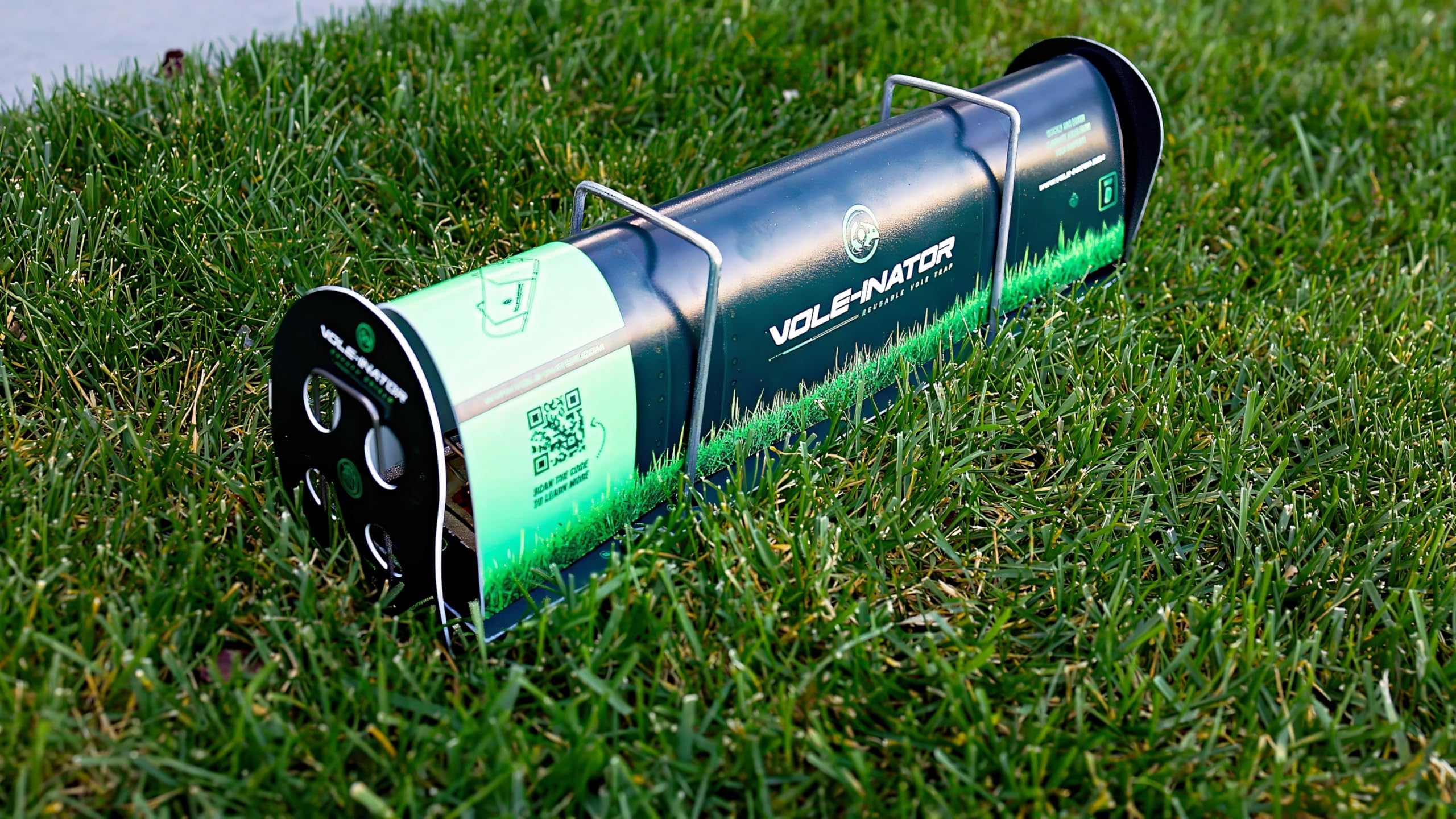
For voles: mouse snap traps work
Standard mouse snap traps are effective for voles when placed correctly.
- Find an active runway: Look for fresh, clean paths in grass or under mulch. You can test activity by lightly collapsing a short section and checking it the next day. If it is reopened, it is active.
- Set traps in pairs: Place two traps back-to-back perpendicular to the runway, so a vole coming from either direction hits a trigger.
- Cover the setup: Use an upside-down nursery pot with a side notch cut out, a short length of gutter, or a wooden box to protect pets, kids, and birds while keeping the runway feeling safe to the vole.
- Check daily: Reset as needed until activity stops.
Bait: Voles often respond to a small piece of apple, oatmeal mixed with peanut butter, or a dab of peanut butter. Use a tiny amount so it does not get stolen without firing the trap.
Local note: Trapping rules and relocation rules vary by place, and relocating wildlife is often illegal or not recommended. If you are unsure, check local regulations before you act.
If you have moles too
Moles require different traps placed in main travel tunnels. If your plants are being eaten, focus on vole control first, since moles are usually not the ones chewing crowns.
A note about poison baits
I avoid rodenticides in ornamental gardens whenever possible. Secondary poisoning is real, and it can harm the predators you want on your side, including owls, hawks, foxes, and outdoor cats.
Protecting perennials season by season
Fall: prevent winter losses
- Cut back and tidy, but leave some standing stems for beneficial insects away from crowns.
- Pull mulch back from plant bases and avoid thick nesting layers.
- Install hardware cloth baskets and guards when planting bulbs or dividing perennials.
- Begin trapping when you first notice runways. Fall is prime time for population growth.
Winter: watch the snow line
Long-lasting snow acts like a warm blanket for voles and gives them cover from predators. If you have repeated winter damage, do a quick midwinter check during a thaw and trap if you find active runways near the bed edge.
Also watch woody plants: On young trees and shrubs, vole damage often shows up as girdling at or just above the snow line. That is a different look than a perennial that lifts out with no roots.
Spring: assess and rescue
- Do the gentle tug test. If a plant lifts too easily, inspect for chewing.
- Replant survivors firmly and water well. Reduce stress while they recover.
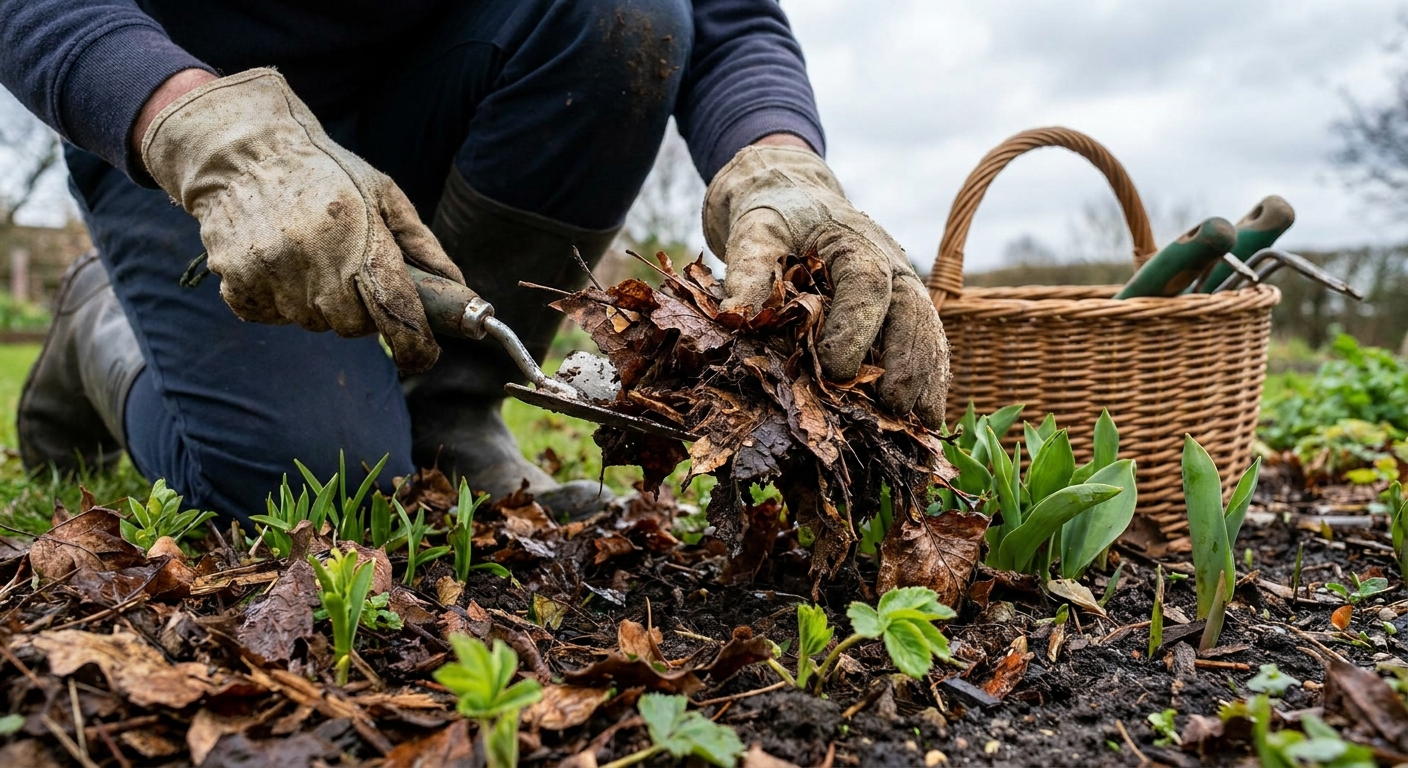
- Topdress lightly rather than piling fresh mulch against the base.
Summer: remove the nice neighborhoods
- Keep bed edges trimmed.
- Thin overly dense groundcovers near prized plants.
- Avoid chronic overwatering that keeps crowns and roots stressed. It can also make vole damage harder to diagnose because rot and chewing can look similar at first.
Most vulnerable perennials and how I protect them
Voles have favorites, and it varies by garden. These are common targets, plus the defense that gives the best return.
- Hosta: Hardware cloth crown guards for young plants, trap along edges, keep mulch back from the base.
- Daylilies: Keep crowns clear of mulch and trap runways in fall. For repeat losses, install a wide hardware cloth cylinder when replanting.
- Heuchera (coral bells): Keep crowns exposed to air, avoid thick mulch contact, guard if losses repeat.
- Echinacea and rudbeckia: Firm soil around crowns, reduce winter cover, trap in fall.
- Spring bulbs (tulips, crocus, lilies): Hardware cloth baskets, especially near stone borders and shrub lines.
- Sedum and asters: Watch for winter chewing at the base and keep nearby grass trimmed short.
Encourage predators
You do not need to rewild the whole landscape, but a few small choices can tilt the odds in your favor.
- Let raptors hunt: If you have a safe place, a simple perch pole in an open area can give hawks a lookout.
- Keep some openness: Voles thrive where they can travel unseen. A clean edge between lawn and bed helps.
- Skip rodenticides: Predators are part of your long-term control system. Protect them.
A simple action plan
If you are looking at damaged plants and wondering where to start, this is the order I recommend:
- Confirm vole signs by checking for runways and chewed crowns.
- Trap for two weeks along active runways, using protective covers.
- Pull mulch back from vulnerable crowns and tidy dense cover near bed edges.
- Install hardware cloth baskets for bulbs and guards for repeat-problem perennials as you replant or divide.
- Use castor oil as a perimeter repellent and maintenance tool, not as your only defense.
That combination is how you go from “they ate everything again” to “I see a runway now and then, but my perennials actually make it.”
FAQ
Will voles come back even after trapping?
Yes, they can. Trapping knocks down current activity, but habitat and food draw new animals over time. That is why hardware cloth and reducing cover are so valuable for long-term protection.
Do coffee grounds, garlic, or ultrasonic spikes work?
In my garden, these tend to be short-lived at best. Voles adapt quickly. If you want to spend your effort where it counts, focus on physical barriers, consistent trapping, and making the bed less cozy for them.
What size hardware cloth is best?
For voles, choose 1/4-inch mesh. It is small enough to block them reliably. Use galvanized material so it holds up in soil.
Can I save a perennial after vole damage?
Sometimes. If there are still healthy roots or crown tissue, replant firmly, water well, and reduce stress (light shade for a week can help). But if the crown is hollowed out, it is usually a loss. The silver lining is you can replant with a guard in place and avoid a repeat.