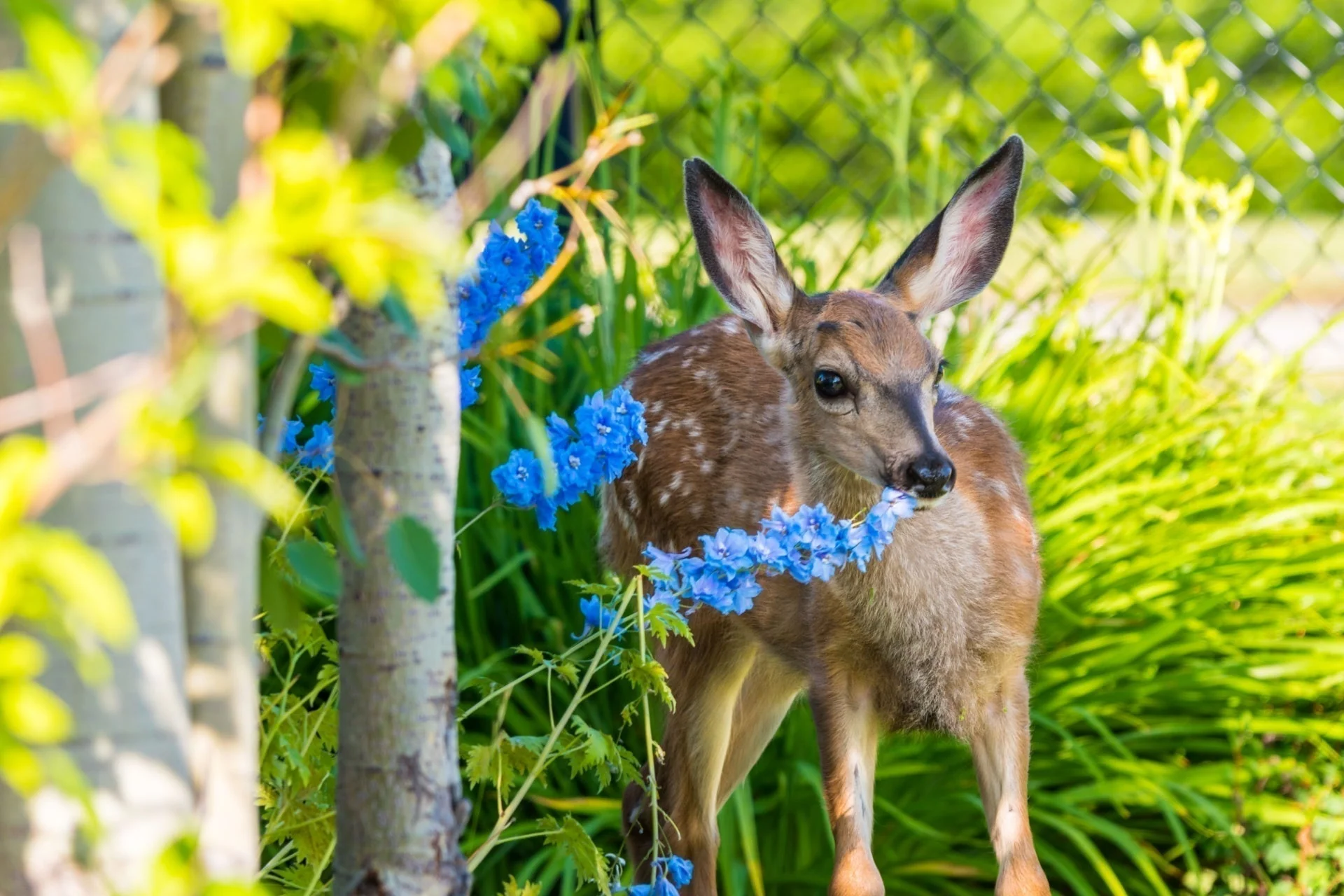

If you have ever walked out with your coffee to admire a fresh flush of spring growth and found your coneflowers clipped to nubs, you already know the particular heartbreak of deer and rabbits. They are not being “picky,” either. They are simply doing what hungry animals do, and our tender, well-watered flower beds are basically a salad bar.
The good news is you do not have to choose between “feed the wildlife” and “have nice perennials.” The best protection usually comes from layering: a physical barrier where it matters most, plus smell or taste repellents during peak pressure, plus a few habit changes that make your yard less inviting.
First, figure out who is eating what
Before you buy anything, take a quick look at the damage pattern. Deer and rabbits leave different calling cards, and the fix depends on the culprit.
Deer signs
- Torn, ragged ends on stems and leaves. Deer lack upper front incisors (they have a dental pad), so they tend to pull and tear, especially on tougher plants.
- Browsing higher up, often from about 18 inches to several feet off the ground. Snow depth, plant structure, and local pressure can shift that range.
- Hoof prints in soft soil and pellet-shaped droppings.
- Repeated hits on the same favorites: hosta, daylily, tulips, young echinacea, roses, and many “new and juicy” plantings.
Rabbit signs
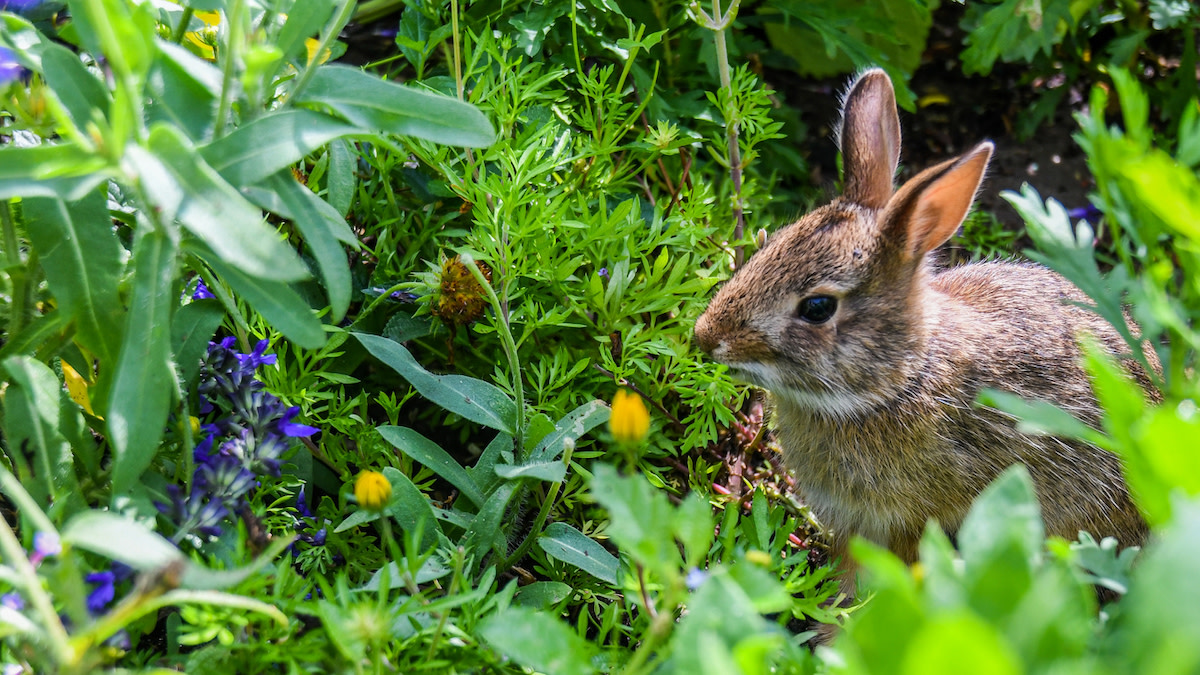
- Clean, angled cuts like tiny pruners. Rabbits have sharp incisors.
- Damage close to the ground, usually under 12 inches.
- Small round droppings scattered nearby.
- Girdling on young woody stems in winter, especially when snow gives them extra height.
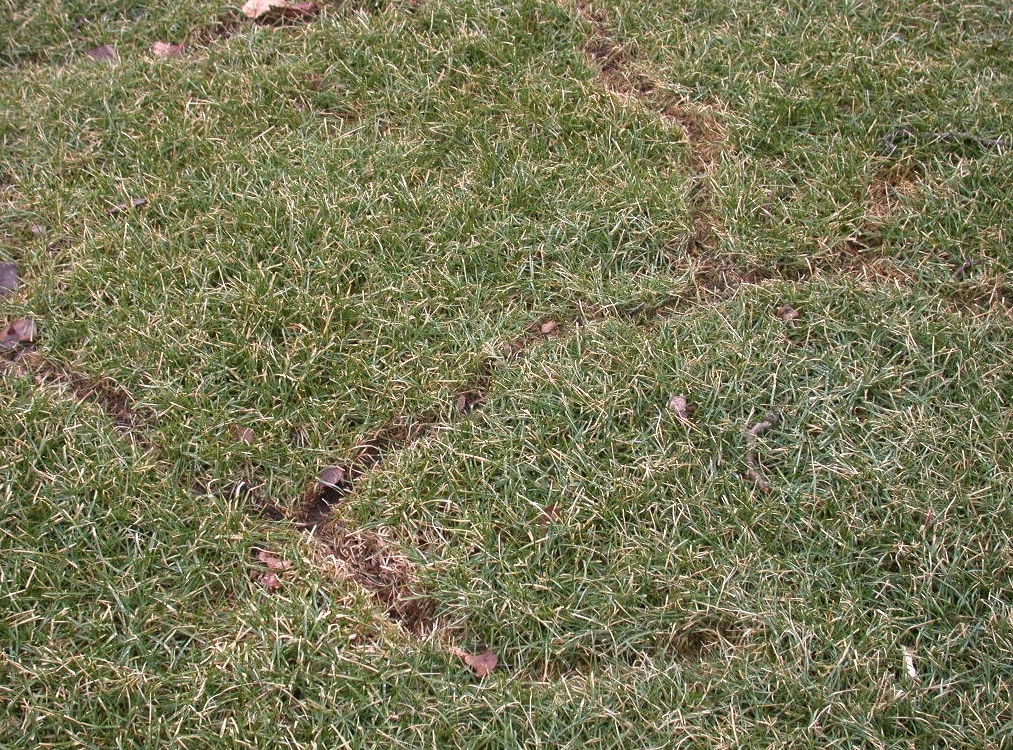
Quick troubleshooting: Clean cuts can also come from your own pruners (easy to rule out, but it happens). And if you see gnawing right at the soil line plus little runways through grass or mulch, you may be dealing with voles, which need a slightly different plan.
If you have both deer and rabbits, do not worry. The strategy below covers a layered approach that handles the double-team.
Fencing: the most reliable option
I love a good spray, but fencing is the one method that keeps working in the rain and on the weeks you forget to reapply. If you want the highest success rate, start here.
Deer fencing options
Deer can jump, but they do not love jumping into tight spaces where they might feel trapped. Use that to your advantage.
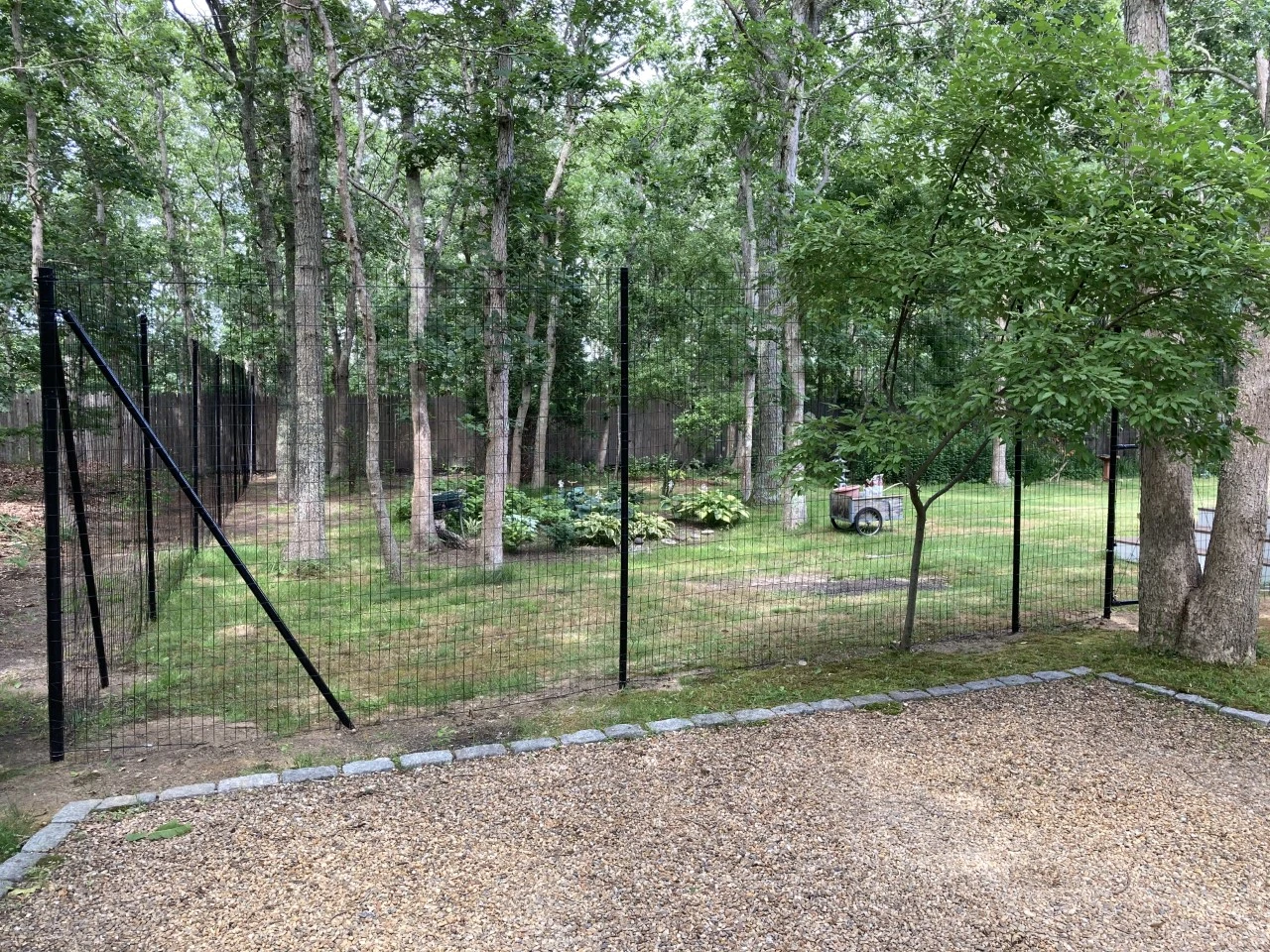
- Best overall: 8-foot perimeter fence (woven wire, poly deer fence, or similar). This is the gold standard for a whole yard or a dedicated garden area.
- Good compromise: 7 to 8-foot polypropylene deer fencing attached to sturdy posts. Less visually heavy than metal, but needs good tension and maintenance.
- For smaller beds: double fencing (two 4 to 5-foot fences spaced about 3 to 5 feet apart). Spacing varies by site, but the idea is to create an awkward depth that makes deer hesitate.
Tips that matter more than brand names:
- Close the gaps. Deer will slip through surprisingly small openings at gates, along a compost area, or where fencing sags.
- Make corners strong. Corner posts take the most tension, especially with mesh fencing.
- Do not invite a jump. Keep tall objects (logs, benches, stacked pots) away from the fence line so you are not providing a launch pad.
- Install before planting if you can. It is easier to prevent a habit than to break one.
If an 8-foot fence is not simple where you live: Check HOA rules, local ordinances, and permit requirements before you buy materials. If height or visibility is an issue, double fencing, discreet black poly mesh, or fencing only a smaller “core garden” area can be a practical compromise.
Rabbit fencing options
Rabbits are all about the ground game. A tall fence does not help if the bottom is easy to squeeze under.
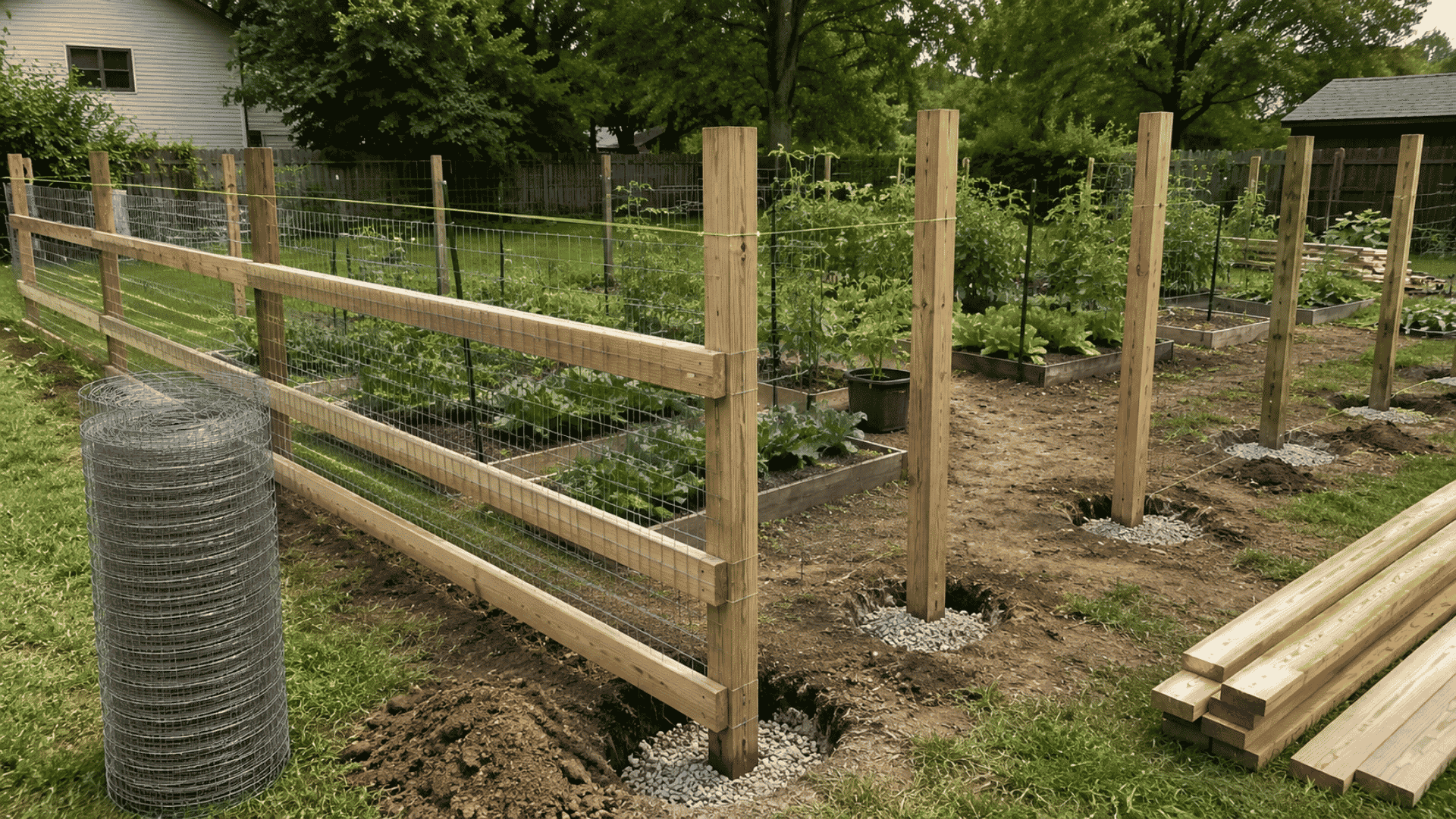
- Use hardware cloth (not chicken wire) for real protection. A mesh around 1/2 inch is a solid all-around choice for rabbits, including smaller juveniles.
- Height: 24 to 30 inches is usually enough for rabbits.
- Bury it: sink the bottom at least 4 to 6 inches into the soil, or flare it outward in an L-shape and pin it down with landscape staples. Go deeper in loose or sandy soil, or if you have persistent diggers.
- Protect individual plants: hardware cloth cylinders work beautifully around new perennials and small shrubs.
If you are fencing a bed for both deer and rabbits, a simple trick is to add a 24-inch band of hardware cloth along the bottom of a taller deer fence.
If you rent or cannot fence a perimeter, think smaller: pop-up mesh cages, individual cloches, and simple wire enclosures around the most targeted plants can still save a bed while you figure out a long-term plan.
Repellents: helpful, but only if you use them correctly
Repellents can be very effective, especially for protecting new plantings, “deer candy” perennials, and the weeks when browse pressure spikes. The catch is that you have to treat them like part of your routine, not a one-and-done miracle.
How repellents work
- Smell-based repellents (often putrescent egg solids, garlic, predator scents). Deer and rabbits decide the area feels risky or the plant seems unappetizing.
- Taste-based repellents (often bittering agents). Animals may sample once, then move on.
Many gardeners, myself included, find that rotation helps repellents keep their edge, especially when animals are under pressure. It is not magic, but it can reduce the odds that a single smell becomes background noise.
Commercial sprays: what to look for
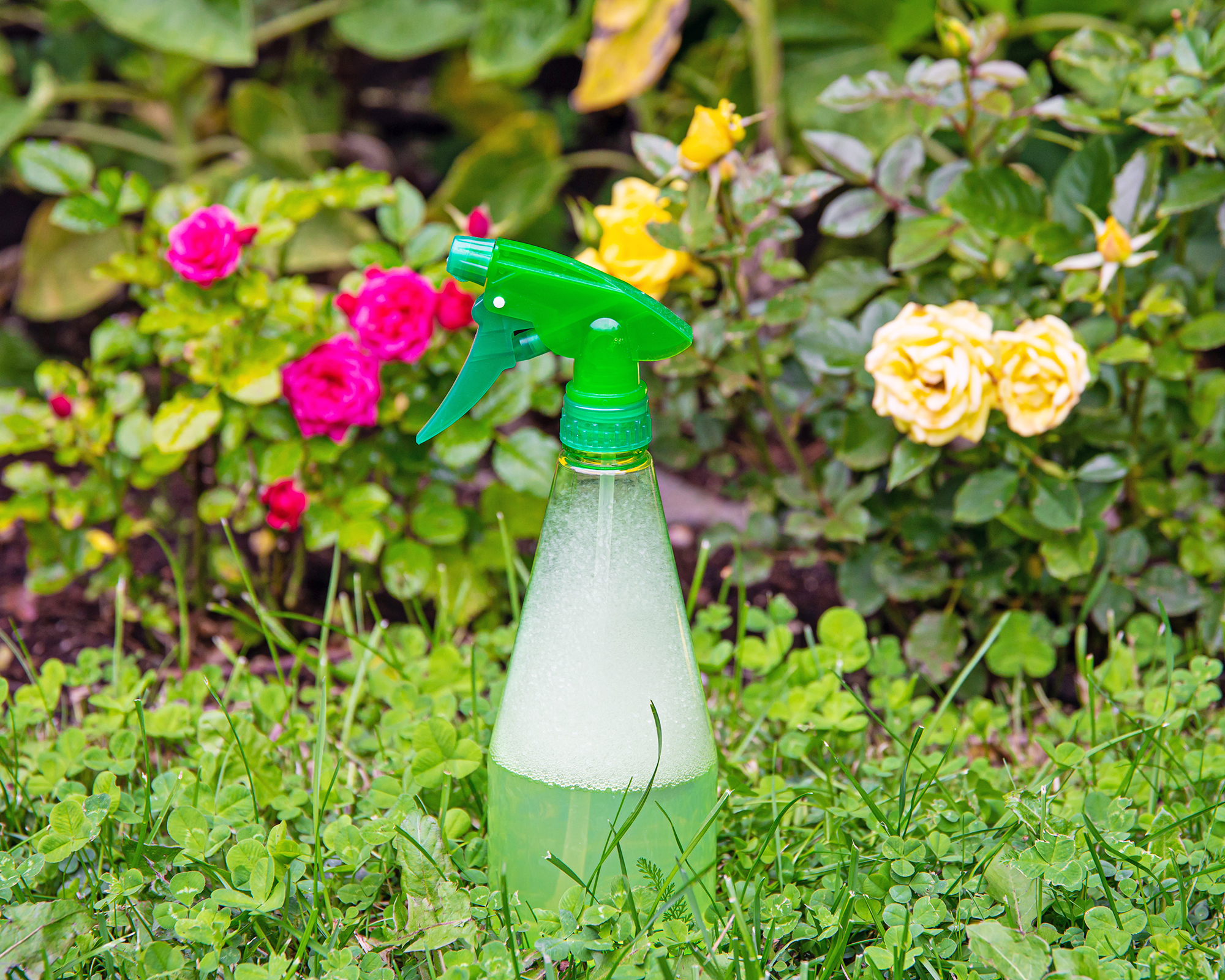
When I buy a spray, I look for three things on the label: “rain-resistant,” “for deer and rabbits,” and clear reapplication instructions.
- Pros: convenient, usually formulated to stick to leaves, often more consistent than DIY recipes.
- Cons: needs reapplication, can smell unpleasant at first, can be pricey for large gardens.
- Best use: early spring when perennials are emerging, during drought when natural forage is limited, and in fall and late winter when browse pressure often climbs.
Application tips that prevent disappointment:
- Spray new growth, not just old leaves. Deer and rabbits go for tender tips.
- Reapply after heavy rain and after rapid growth spurts. A plant that doubles in size in two weeks has a lot of unsprayed new tissue.
- Do not spray in heat unless the label says it is safe. Some products can cause leaf burn in hot sun.
- Spray the outside plants first. Browsers often start at bed edges.
DIY repellents: worth it, with a few cautions
DIY mixes can help in a pinch, especially for small beds, but they are usually less rainfast and more variable.
- Egg and water spray (a classic): effective for deer in many gardens, but must be strained well and reapplied often. It can also leave a noticeable odor for a day or two.
- Garlic and hot pepper mixes: sometimes helpful for rabbits and deer, but can irritate eyes and skin while mixing and spraying.
Two important cautions: Avoid DIY sprays on edible crops close to harvest since there is no label guidance for food safety, residue, or flavor tainting. If you spray edibles, use only products labeled for that use and follow any pre-harvest intervals. Also, avoid overspraying into ponds or waterways, and test on a small section of a plant first. Tender new leaves can be sensitive.
One more practical caution: Some repellents smell strong or can irritate noses and skin. Read labels, and keep sprays off patios, play areas, and anything pets like to rub against.
Deterrents: make the bed less inviting
Deterrents are the “nudges” that help, but they are rarely enough on their own if you have a determined rabbit family or regular deer traffic. Think of them as support players.
Motion and light devices
- Motion-activated sprinklers: surprisingly effective for deer when positioned along common entry routes. They work best when moved every week or two so deer do not learn the pattern. (They also need winterizing in cold climates.)
- Motion lights: can help a little, but deer in suburban areas often get used to them.
- Ultrasonic devices: mixed results. If they help, it is usually short-term.
Scare tactics and “predator” cues
I have tried a lot of these over the years, and my takeaway is simple: if it does not move or change, animals eventually ignore it.
- Reflective tape, pinwheels, hanging CDs: can help briefly, especially in open areas.
- Predator urine: sometimes helpful, but needs frequent reapplication and can be messy. It is best used as a short-term boost, not your whole plan.
Texture barriers for rabbits
Rabbits are hesitant about crossing certain textures and tight spaces.
- Gravel or crushed stone bands can make entry less comfortable along the bed edge.
- Dense edging plants can slow them down, but avoid using rabbit-favorite plants as your border.
Design your beds to reduce browsing
This is the part gardeners often skip because it sounds like “landscaping theory,” but it is actually very practical. A few design tweaks can reduce the number of tempting bites.
Put the favorites in the safest spots
If deer and rabbits are hitting the same bed, place the tastiest perennials closest to the house, inside a fenced courtyard area, or in beds you pass by frequently. Browsers prefer quiet corners.
Use less-tasty plants as a buffer
No plant is truly deer-proof or rabbit-proof when animals are hungry, but many are reliably less preferred. Use them as the outer ring of a bed, especially along woods lines.
Often less appealing to deer and rabbits:
- Strongly scented: lavender, catmint (Nepeta), many salvias, yarrow, and sometimes bee balm (Monarda), although it can be browsed in some areas.
- Fuzzy or rough leaves: lamb’s ear, and some echinacea and rudbeckia varieties once established (new plants are still vulnerable).
- Toxic or irritating sap: daffodils (bulbs), foxglove, euphorbia (handle with care).
- Herb-like texture: thyme, oregano, Russian sage (often sold under that common name; botanically Salvia yangii).
A gentle reminder: “resistant” is not the same as “never eaten.” In drought, late winter, or spring green-up, almost anything can get sampled.
Three common situations
1) You just planted a new perennial bed
- Install a temporary barrier immediately, even if it is simple stakes with netting.
- Spray a commercial repellent on planting day and reapply weekly for the first month.
- Protect individual “favorites” with cages until they fill in.
2) You have a small town yard with bold deer
- Prioritize an 8-foot perimeter fence if possible, or double fencing on the most vulnerable side.
- Use motion sprinklers near entry points.
- Rotate two different repellent types every couple of weeks during peak seasons.
3) You mainly have rabbits (especially in winter)
- Use hardware cloth edging, and bury or flare the bottom.
- Wrap young woody perennials and shrubs with hardware cloth cylinders before snow.
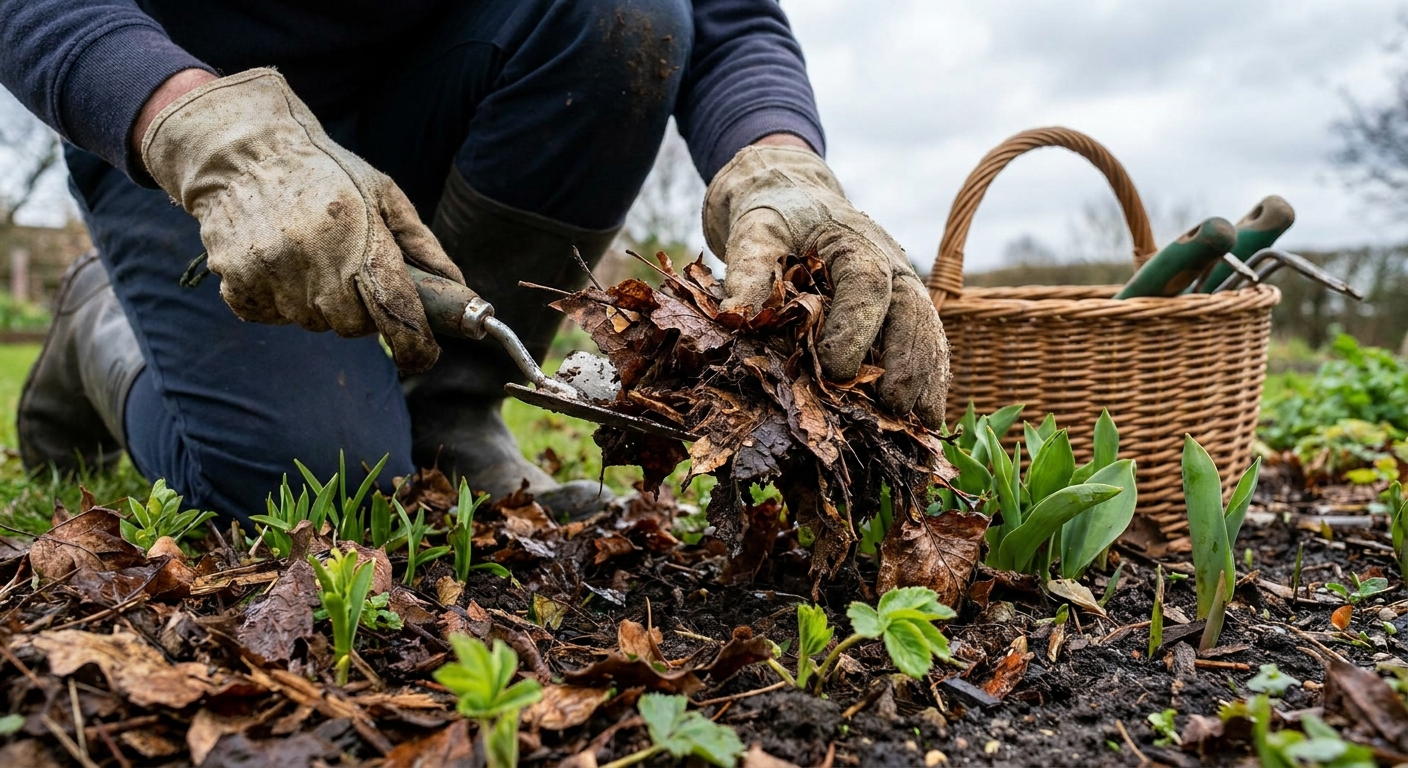
- Keep mulch and tall groundcover from forming a cozy hiding strip right along the bed edge.
Quick comparison
| Method | Best for | What to watch out for | Overall reliability |
|---|---|---|---|
| 8-foot deer fence | Consistent deer pressure, protecting whole areas | Cost, installation, HOA or permit limits, gate gaps | High |
| Hardware cloth rabbit fence | Rabbits, especially near beds and in winter | Must be buried or flared, small mesh matters | High |
| Commercial repellent spray | New growth, spot protection, seasonal surges | Reapplication after rain and growth, label precautions | Medium to high (when maintained) |
| DIY repellents | Small areas, short-term support | Not rainfast, inconsistent results, avoid on edibles near harvest | Low to medium |
| Motion sprinklers | Deer entry routes, open lawns | Needs repositioning, winterizing | Medium |
| Scare devices | Temporary relief | Animals habituate quickly | Low to medium |
FAQ
Will deer and rabbits come back after I repel them once?
Yes, if the food source is still easy. Repellents work best when they are paired with a barrier or when you are using them to protect a bed while plants establish. If deer already have a habit of visiting, you will get better results by combining fencing plus spray for a few weeks.
How often should I reapply deer and rabbit spray?
Follow the label, but as a general rhythm: reapply every 7 to 14 days during peak browsing and always after heavy rain. Also reapply when you notice lots of fresh, unsprayed growth.
What is the fastest fix for overnight damage?
Put up a temporary barrier the same day. Even a simple ring of stakes with netting can buy you time. Then spray repellent and protect the most targeted plants with cages until you decide on a permanent solution.
Is there any truly deer-proof perennial?
In a hard winter or drought, deer will test almost anything. “Deer-resistant” is the more honest term. Your best long-term bet is to combine resistant plant choices with a barrier, especially if deer are regular visitors.
A simple plan
If you want a straightforward path forward, here is the approach I recommend most often:
- Step 1: Identify whether you have deer, rabbits, or both.
- Step 2: Put up the right fence for the main culprit (tall for deer, tight and buried for rabbits).
- Step 3: Use a commercial repellent on new growth for 4 to 6 weeks, then taper to “as needed,” especially during seasonal pressure spikes.
- Step 4: Add a deterrent only where it helps most, like motion sprinklers on a deer entry path.
Your perennials want to come back year after year. With a little protection and consistency, they can, and you will get to enjoy them instead of serving them up as nightly appetizers.