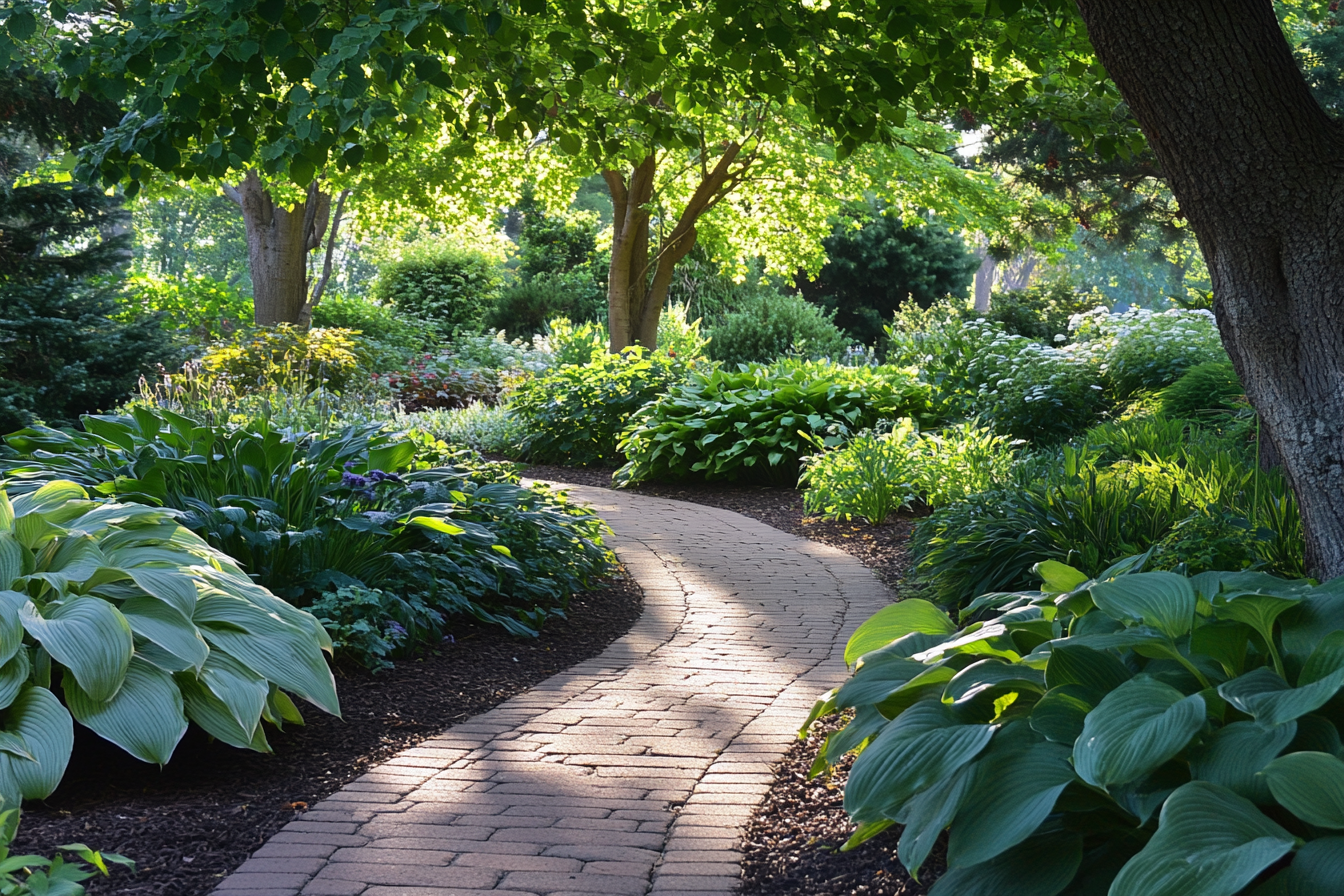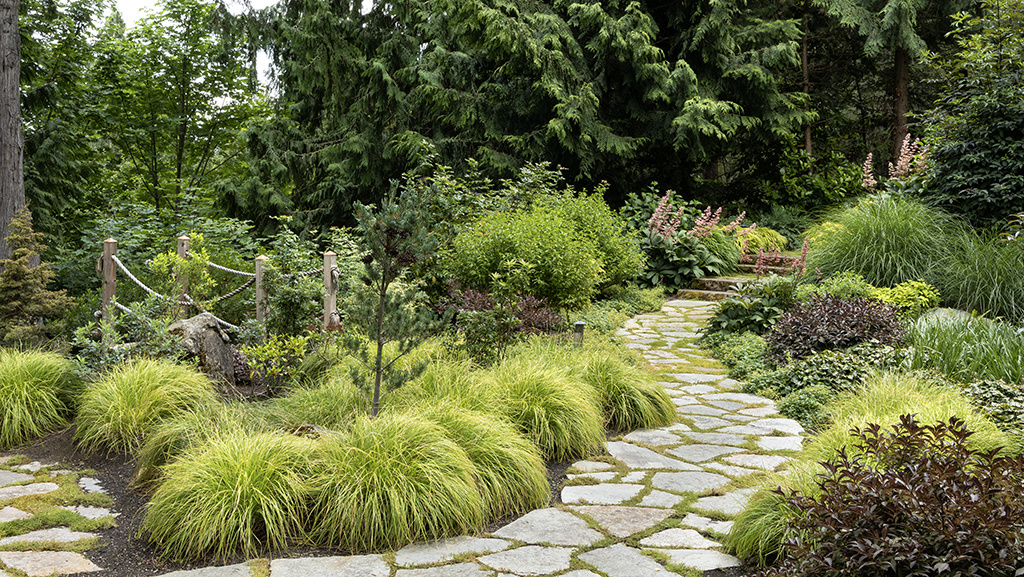

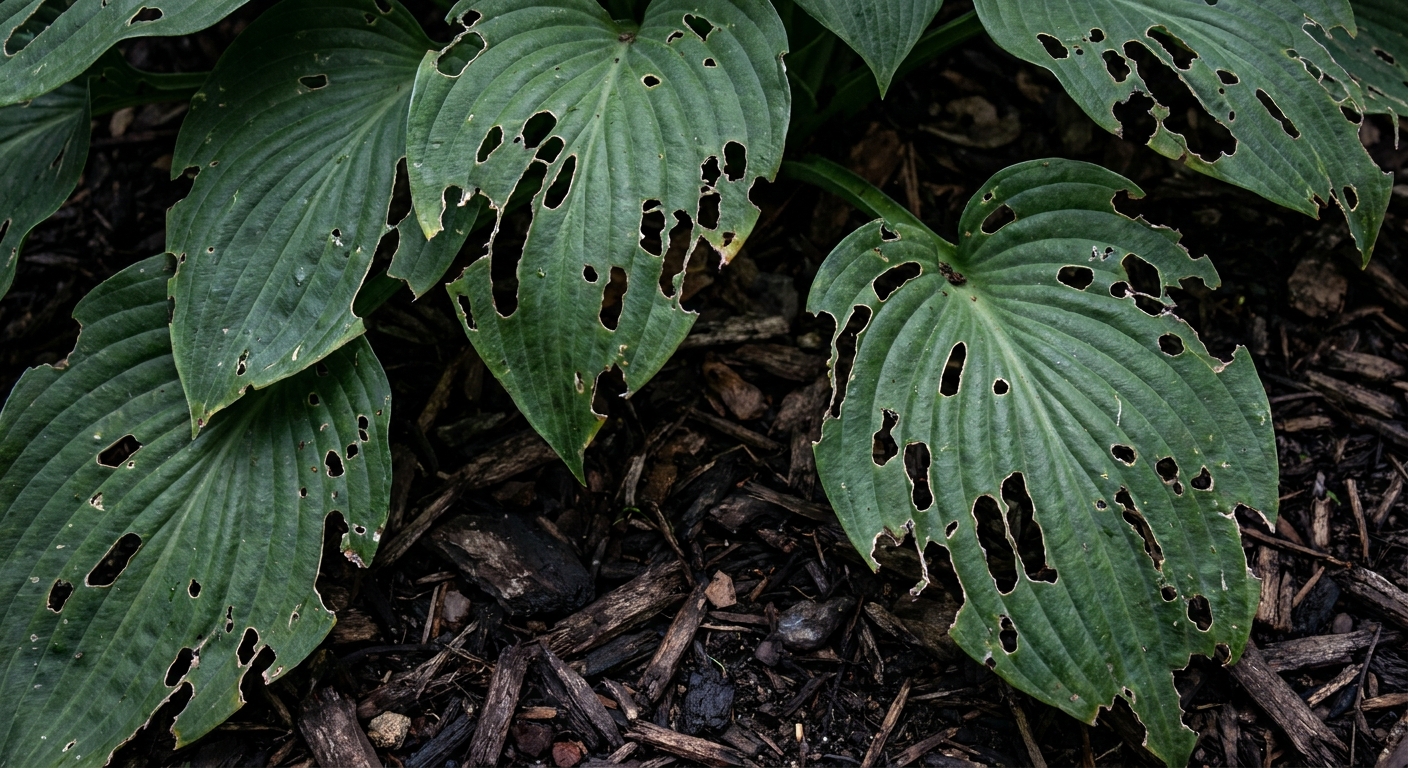
If you garden in shade, you already know the heartbreak: you wake up excited for a flush of fresh hosta leaves or a new coral bell unfurling, and instead you find lacework holes and shiny little trails like the culprits signed their names. Slugs and snails love the same things shade perennials do: moisture, shelter, and tender new growth.
The good news is you do not need harsh chemicals to protect a shade bed. Over the years, moving between different growing zones taught me that slug control is less about one magic product and more about a simple, repeatable routine. Think barriers + baits + cleanup, all timed to slug behavior.
Know your enemy
Slugs and snails are most active when it is cool and damp, especially at night, during rain, and in the shoulder seasons of spring and fall. They hide in the day under mulch, boards, stones, pots, dense groundcovers, and any tight, dark crevice.
They also have a strong preference for soft, juicy leaves. In many shade beds, the “buffet favorites” tend to be:
- Hosta
- Ligularia
- Delphinium (young shoots in spring)
- Dahlias (if you tuck them into part shade)
- Newly planted seedlings or divisions
- Fallen petals and decaying plant matter (easy harborage and common egg-laying spots)
If you are seeing damage mostly on the newest growth, slugs are a common suspect, but they are not the only one. Earwigs, caterpillars, and even rabbits can also go for tender new leaves. The fastest way to confirm is a quick night check with a flashlight, or by setting a simple shelter you can lift in the morning.
Start with prevention
I think of prevention as “drying out the welcome mat.” You are not trying to create a desert, especially in a shade garden. You are just removing the cozy hiding places that make slugs feel safe enough to feast.
Once you have reduced hiding spots, you can add one or two targeted tools for the plants you care about most.
Water earlier, not more
If you can, water in the morning. Evening watering keeps the soil surface damp right when slugs come out for dinner. Morning watering gives your plants time to drink while the top layer dries before nightfall.
Mulch, but do it thoughtfully
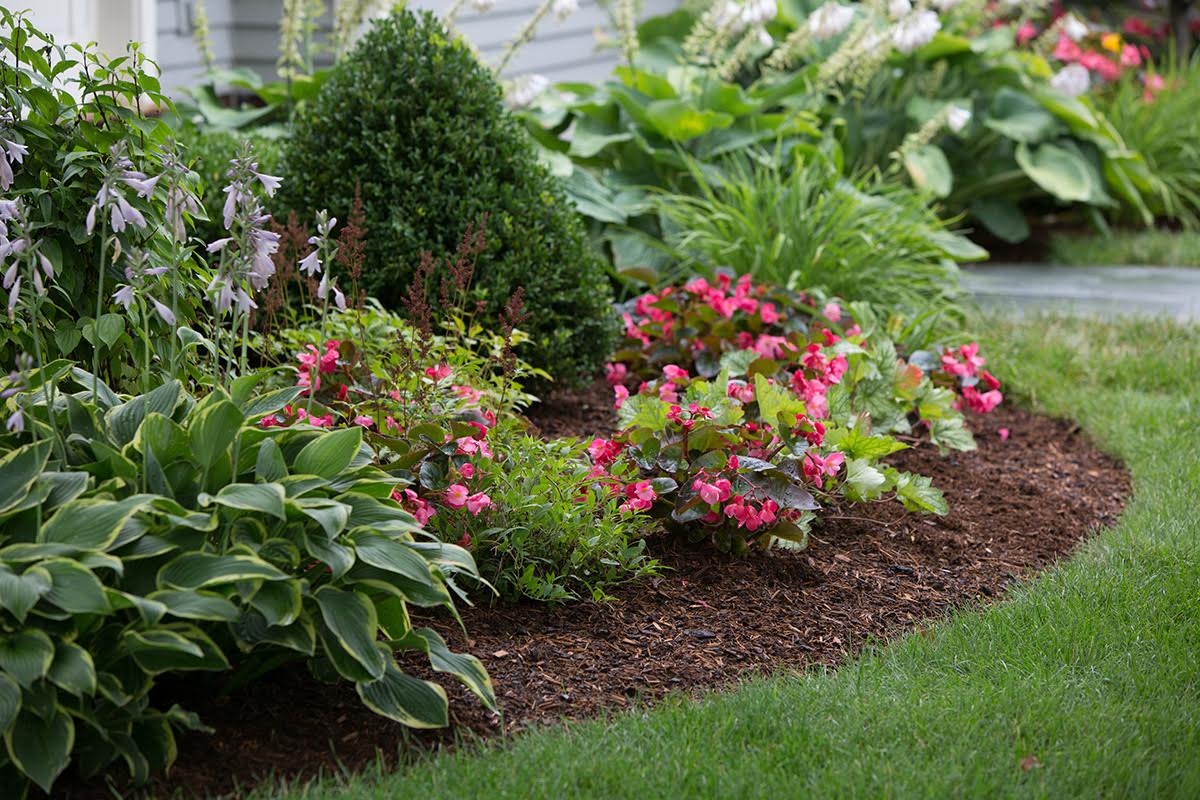
Mulch is wonderful for shade perennials, but thick, fluffy mulch can become a slug hotel. A few tips that help:
- Keep mulch pulled back an inch or two from the crown of plants (especially hostas and heuchera).
- Avoid piling mulch in deep drifts in the wettest, darkest pockets.
- Rake and refresh compacted mulch so it dries more evenly on top.
Clean up the hiding spots
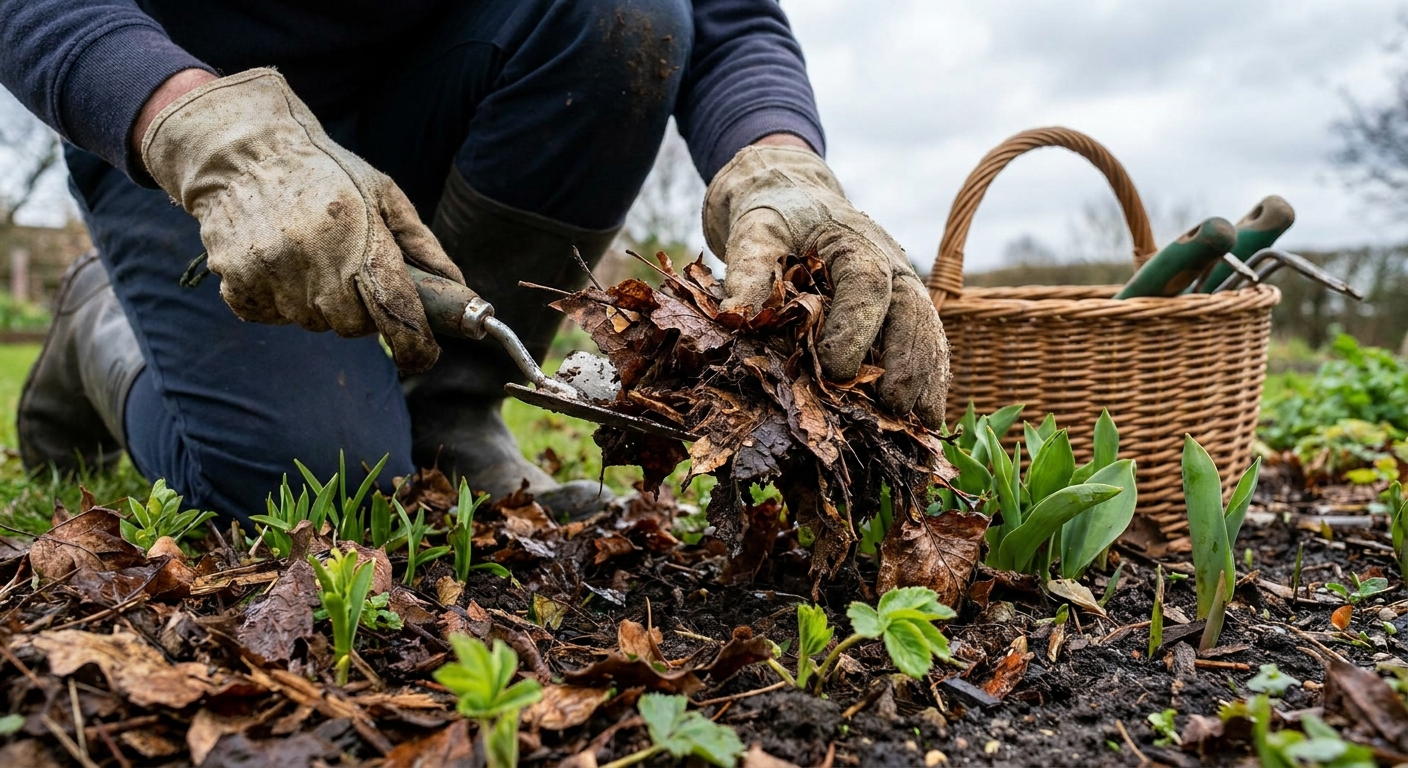
In spring, I do a quick “slug sweep” while I am already tidying beds:
- Remove rotting leaves and old flower stalks where slugs can hide and lay eggs.
- Lift flat stones, boards, and empty pots sitting on damp soil.
- Thin groundcovers that are choking air flow around prized perennials.
None of this eliminates slugs, but it lowers pressure and makes every control method work better.
Copper barriers
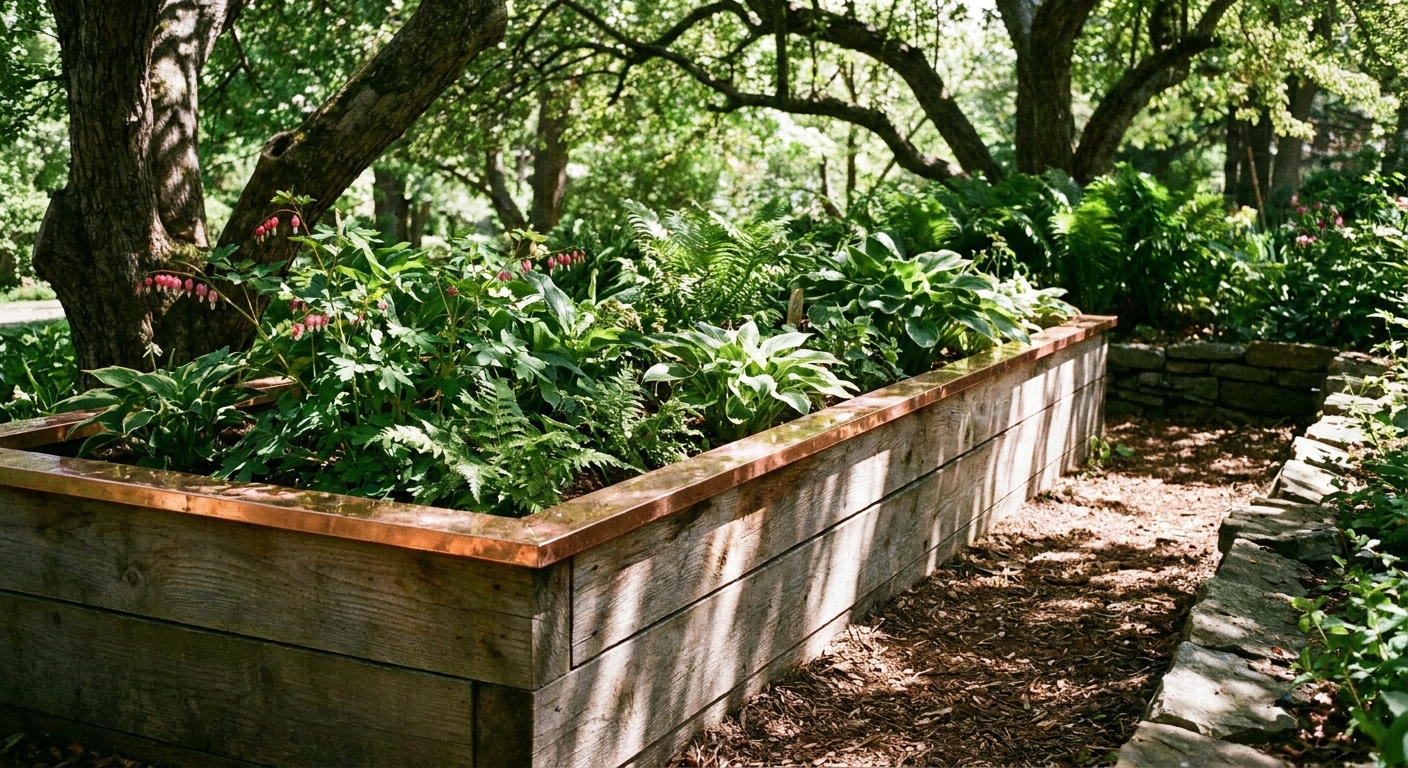
Copper is one of my favorite low-effort tools for protecting a specific plant or container. For many gardeners, copper can deter slugs and snails, likely because contact with copper and their slime is irritating enough that they turn away. It is not a force field, and results vary with moisture, oxidation, and how clean the barrier stays, but it is very useful when installed well.
Where copper works best
- On raised beds with wooden sides
- Around the rim of pots (especially shade patio containers)
- As a collar around a treasured plant that gets hit every year
How to use it so it actually helps
- Start clean and dry. Copper tape sticks best to a scrubbed, dry surface.
- Make an unbroken ring. Overlap tape ends so there is no gap.
- Prevent bridges. Leaves draping across the tape, mulch piled against it, or vines touching from outside can create a bridge that lets slugs bypass the barrier.
- Widen the barrier if pressure is high. A wider band is harder for them to cross.
- Check it after storms. Debris stuck to the tape can reduce effectiveness. A quick wipe keeps it working.
Wool pellets
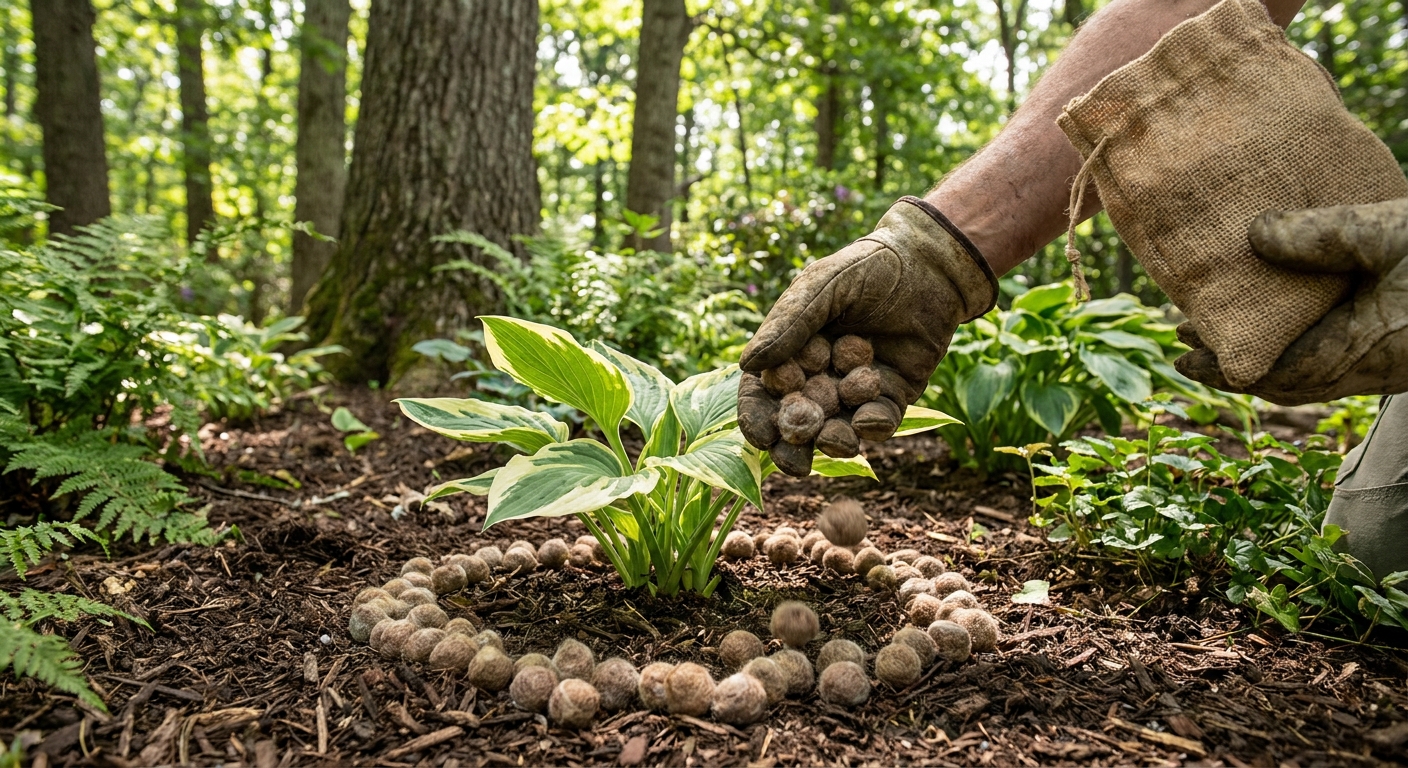
Wool pellets are made from compressed sheep wool. When they get wet, they swell into a springy, slightly scratchy mat that many slugs do not like to cross, and they also help hold moisture in the soil. That said, results can be mixed depending on brand, rain patterns, and how thickly you apply them, so I treat wool as one part of an integrated approach, not the only line of defense.
Best uses for wool pellets
- As a ring around hostas, ligularia, and young shoots in spring
- At the base of newly planted divisions while they establish
- In containers where you want a clean, low-toxicity barrier
Tips for success
- Apply before the feast starts. Put pellets down early in the season as new growth emerges.
- Use enough. A thin scattering does not create a real barrier. Aim for a noticeable band around the plant.
- Refresh after heavy rain. If pellets break down or get buried under leaf litter, top them up.
Diatomaceous earth
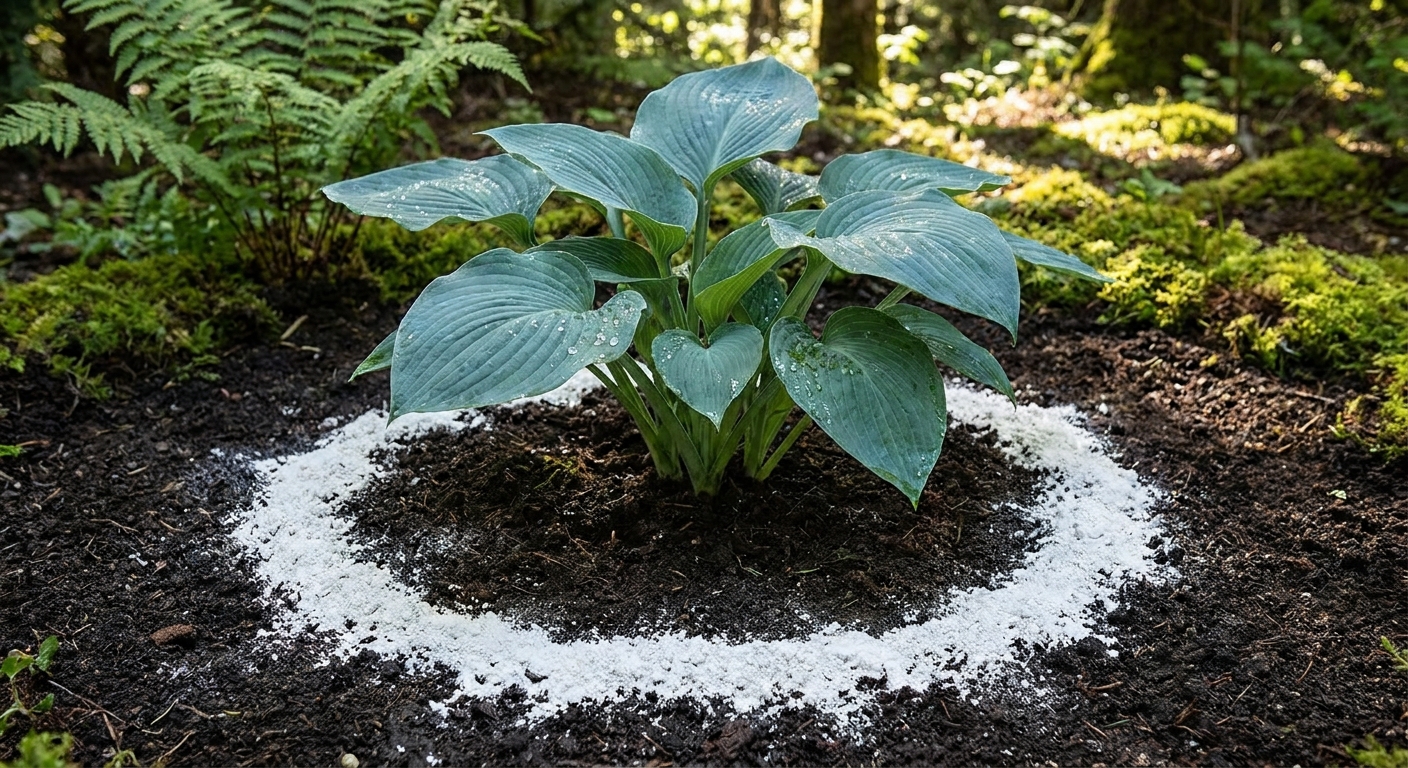
Diatomaceous earth (often labeled DE) is a powder made from fossilized diatoms. It works by physically abrading soft-bodied pests. The catch in a shade garden is moisture: once DE is wet, it stops being effective until it dries again.
When to use DE in shade beds
- During a dry stretch when slugs are still active
- In covered containers or under eaves where it will not get washed away
- After you water in the morning, once the soil surface dries a bit
How to apply it safely
- Choose food-grade DE intended for garden use.
- Dust a thin, even ring around the plant, not directly on the leaves.
- Reapply after rain or heavy dew.
- Avoid breathing the dust when applying. I apply low to the ground and on calm days.
DE is nonselective. Anything soft-bodied that crawls through it can be affected, including beneficial insects. That is why I use it in small, targeted rings rather than broad dustings.
If your garden is consistently damp, consider DE a “sometimes tool,” not your main strategy.
Beer traps
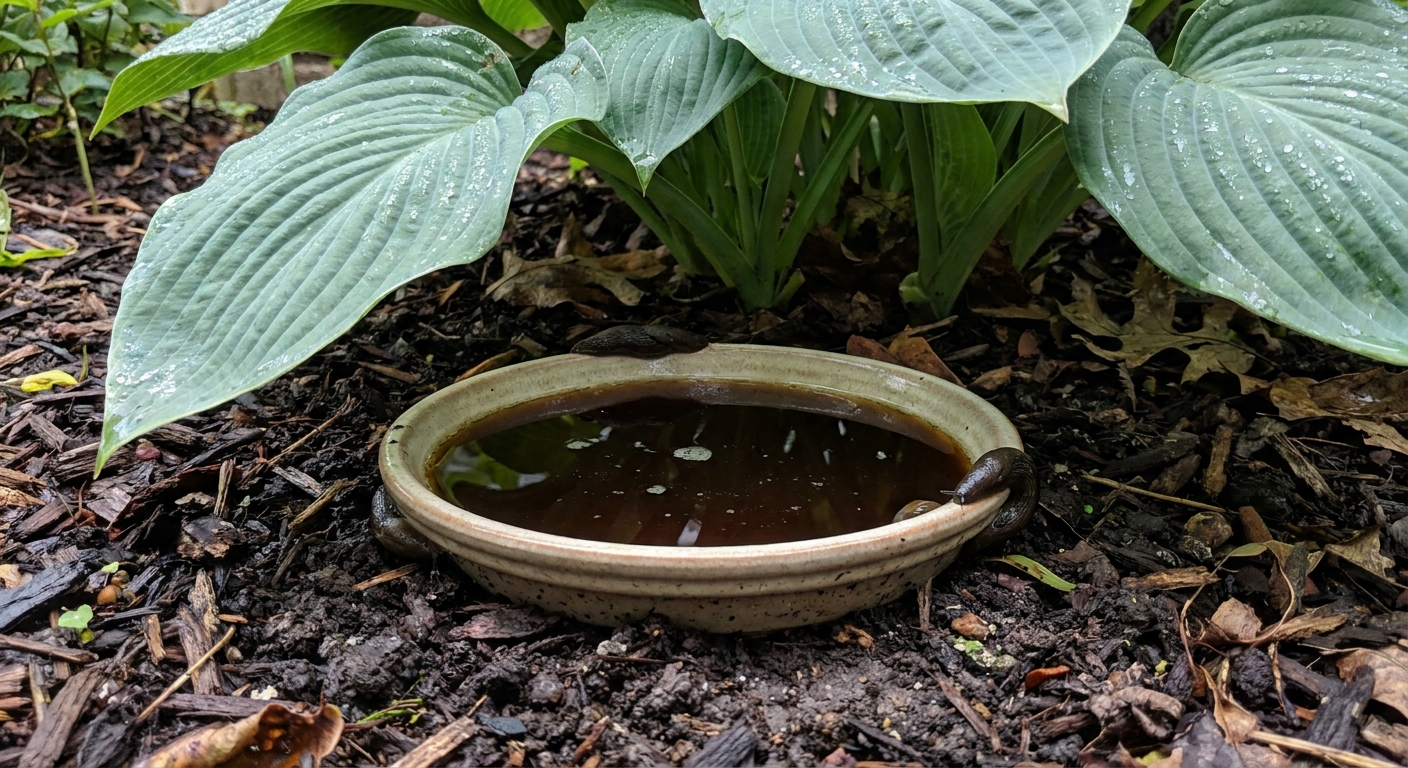
Beer traps work because slugs are attracted to the yeast smell. They crawl in, and many will drown, especially if the container sides are smooth and the beer level is right. This is one of the quickest ways to knock down a population during wet spells when damage explodes overnight.
One caveat: beer traps can also draw slugs in from nearby areas, so I treat them as a short, focused campaign near problem zones, not something I leave out all season.
How to set a beer trap that works
- Use a shallow container like a tuna can or a plastic cup with smooth sides.
- Bury it so the rim sits about level with the soil surface (or slightly above if you are worried about beneficial ground beetles falling in).
- Pour in enough beer to create an inch or two of depth.
- Place traps near problem plants, not right in the center of your prettiest clump.
- Empty and refresh every day or two in peak season.
- Place where pets and wildlife are unlikely to investigate.
I will be honest: the smell after a couple of warm days is not charming. I treat beer trapping like a short campaign. Three to seven nights during a wet stretch can make a big difference.
Hand-picking
If you want immediate results with no products at all, grab a flashlight and go out about an hour after dark. This is the method that taught me the most about where slugs hide and what they truly prefer.
Make it easier on yourself
- Wear gloves or use tongs.
- Check under leaf litter, at the base of hostas, and along edging stones.
- Drop them into a container of soapy water.
Do this for a few nights in a row in spring, and you can dramatically reduce early-season damage when perennials are most vulnerable.
Basic hygiene matters too. Wash your hands after gardening and after handling slugs or snails, especially before touching your face or preparing food.
Slug shelters
Slugs like tight, damp cover. You can use that against them by giving them a safe spot you can lift and clean out. A flat board, a grapefruit half, or an upside-down flowerpot saucer placed near susceptible plants can become a gathering point.
In the morning, flip it over and you will often find a cluster of slugs underneath. Remove them, rinse the shelter, and set it back down for the next round.
Iron phosphate bait
If you want an option that is hands-off and consistently effective, iron phosphate bait is worth knowing about. It is commonly sold for home gardens (often under brands like Sluggo) and is widely considered a lower-toxicity choice compared with older slug baits when used according to the label.
I still think of it as a targeted tool, not something to broadcast everywhere. Sprinkle it lightly where you see activity, especially around the plants that always get hit, and reapply as directed after heavy rain.
A hard warning: avoid slug baits containing metaldehyde, especially in gardens where pets, wildlife, or small children might access the area. If you are unsure what you have, check the active ingredient on the label.
Encourage predators
You will never eliminate slugs entirely, and that is normal. What you can do is keep the balance tipped in your favor. Ground beetles, frogs and toads, garter snakes, and many birds all help with slug pressure.
I try to support them with simple choices: a shallow water source, a little messy habitat at the edge of the garden (not right in the hostas), and fewer broad-spectrum pesticides that wipe out the helpers along with the pests.
Put it together
If you are feeling overwhelmed, try this simple plan. It is gentle on pets, kids, pollinators, and the soil life you are working so hard to build.
Early spring
- Tidy old debris and pull mulch back from crowns.
- Add wool pellets around your most targeted perennials.
- Install copper tape on pots and raised beds.
- Set one or two slug shelters so you can monitor activity.
Rainy weeks
- Run beer traps for a few nights, then pause.
- Do one or two after-dark hand-picking walks.
- Use iron phosphate bait if you want a low-effort, targeted boost.
Drier stretches
- Use food-grade DE selectively where it will stay dry.
- Keep morning watering and avoid creating damp evening surfaces.
Common questions
Will these methods hurt earthworms or beneficial insects?
Barriers like copper and wool pellets are very targeted. Beer traps can catch non-target insects if the rim is perfectly level with the soil, so I often keep the rim slightly above soil level and place traps where I am seeing slug trails. DE is nonselective and can irritate or harm small-bodied insects that crawl through it, which is another reason I use it sparingly and in tight rings rather than broad dustings. Iron phosphate bait is designed for slugs and snails, but it should still be used exactly as the label directs.
Can I use eggshells or coffee grounds instead?
You will hear these recommended a lot. In my own beds, they are inconsistent. Eggshells break down and get buried, and coffee grounds can mat when wet. If you enjoy using them, treat them as a minor deterrent, not your main line of defense. I have had far better results with copper, wool pellets, and short beer-trap campaigns, plus iron phosphate when I want something hands-off.
Why is the damage worse some years?
Wet springs, mild winters, heavy mulch, and dense shade can all increase survival and breeding. A single rainy week at the wrong time can make a healthy hosta look shredded. The earlier you respond, the easier it is to stay ahead of it.
Which shade perennials are most slug-resistant?
Nothing is completely immune, but tougher, fuzzier, or thicker leaves are often less appealing. In my gardens, hellebores, Japanese painted fern, brunnera, epimedium, and many hardy geraniums tend to be less damaged than hostas and ligularia.
A final note
If you have ever felt like slugs “win” in shade gardens, I promise you are not alone. I have had years where I thought I would have to give up on hostas entirely. What changed everything for me was treating slug control as a seasonal habit, not a one-time product.
Choose two or three methods that fit your garden and your patience level, start early, and be consistent during wet weather. Your shade perennials can absolutely be lush again, with leaves you actually want to lean in and admire.