
If you garden long enough, you will eventually have the same thought I do every spring: I do not want to nuke my whole garden, but I also do not want aphids hosting a family reunion on my phlox. Two of the most common organic sprays for perennial flowers are neem oil and insecticidal soap, and they are not interchangeable.
The best results come from matching the product to the pest and the plant stage. A spray that works beautifully on aphids can disappoint on mites, especially spider mites. Another that slows a pest’s life cycle can scorch petals if you use it at the wrong time of day.
The quick difference
- Insecticidal soap is a contact killer. It works best when you can hit soft-bodied pests directly (aphids, young whiteflies, some mites, and thrips you can actually reach). It has little to no residual activity once dry.
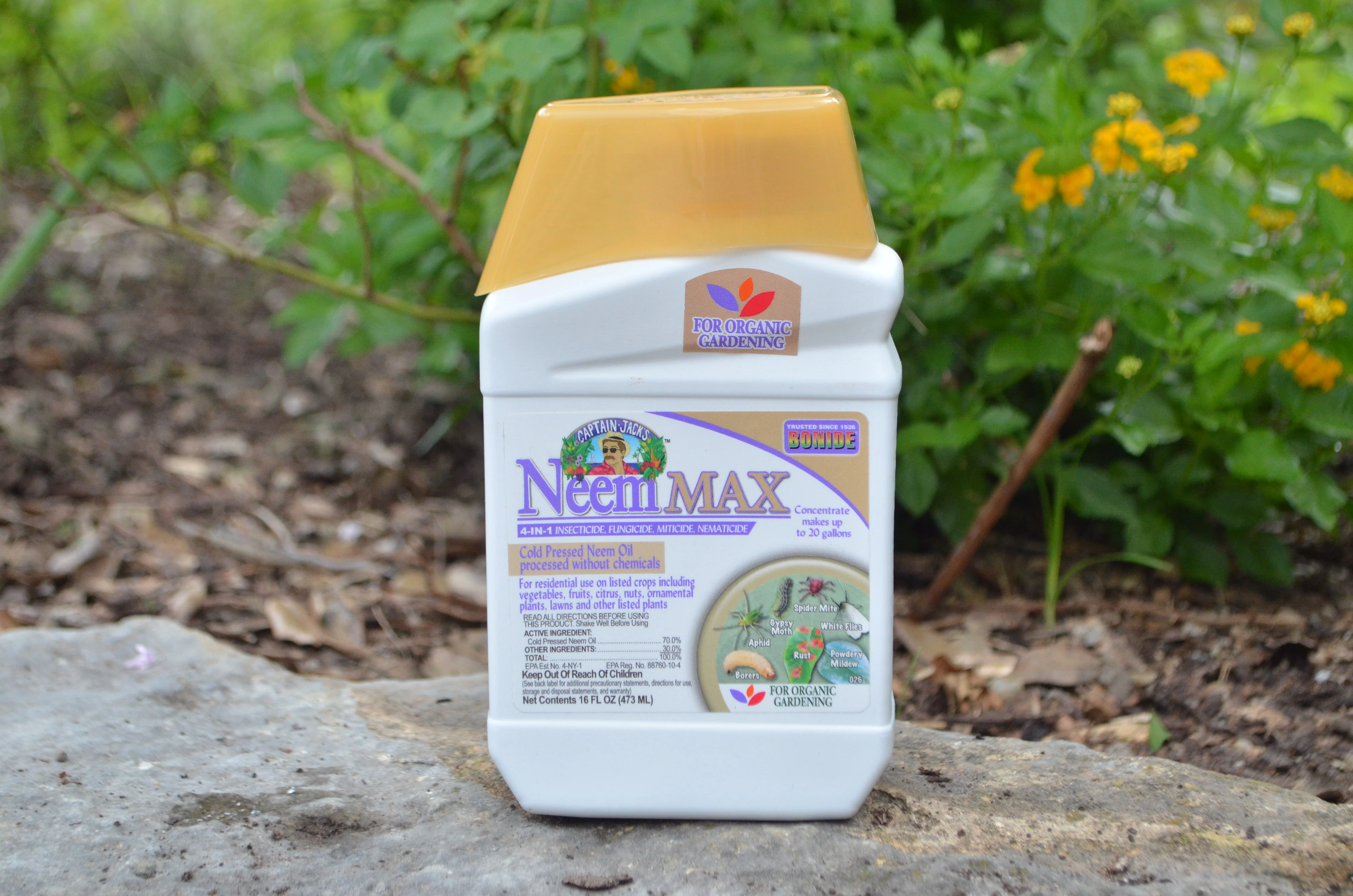
- Neem oil can mean two different things depending on the label. Products that contain azadirachtin act more like a feeding and growth disrupter (plain-English version: it helps make it harder for certain pests to keep eating and developing normally). Products that are mostly neem oil without azadirachtin behave more like a horticultural oil that works by smothering pests and eggs. Coverage is everything either way.
If you are looking at an active infestation you can see right now, insecticidal soap often gives faster visual relief. If you are trying to reduce repeated flare-ups and you can be consistent with reapplication, neem can be useful, especially early in an outbreak.
Know what you are spraying
Insecticidal soap
Insecticidal soaps are potassium salts of fatty acids. When they coat soft-bodied insects, they disrupt cell membranes and the insect dehydrates. That sounds intense, but the key detail is this: it only works when wet and in contact with the pest.
Neem oil
“Neem” can mean a few different things on labels:
- Clarified hydrophobic extract of neem oil: mostly the oil fraction. It behaves like a horticultural oil and may help with certain leaf diseases when the label says it does. It often has little or no azadirachtin.
- Neem seed extract with azadirachtin: includes the compound that interferes with feeding and development for certain insects.
Before you spray, glance at the active ingredients. If azadirachtin is not listed, do not expect much “life cycle” disruption. If it is mostly oil, treat it like an oil spray with oil rules, including heat caution and a real need for even coverage.
One more practical note: products vary a lot by brand, formulation, and what is labeled for ornamentals in your area. The label is the final word on what plants and pests your bottle is meant for.
Best pest matches
Here is how I decide what to grab from the shelf, based on the pests most of us see on blooming perennials.
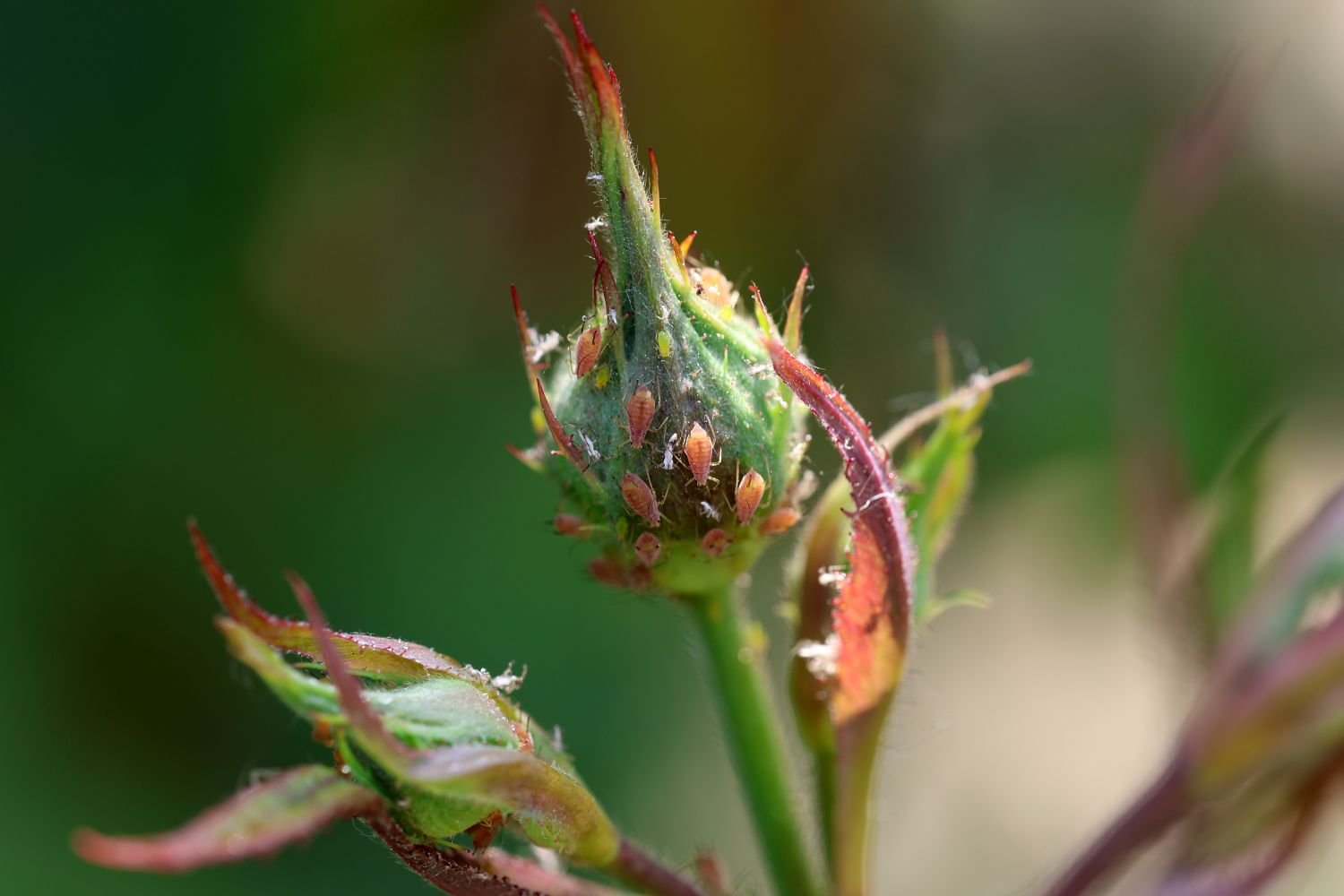
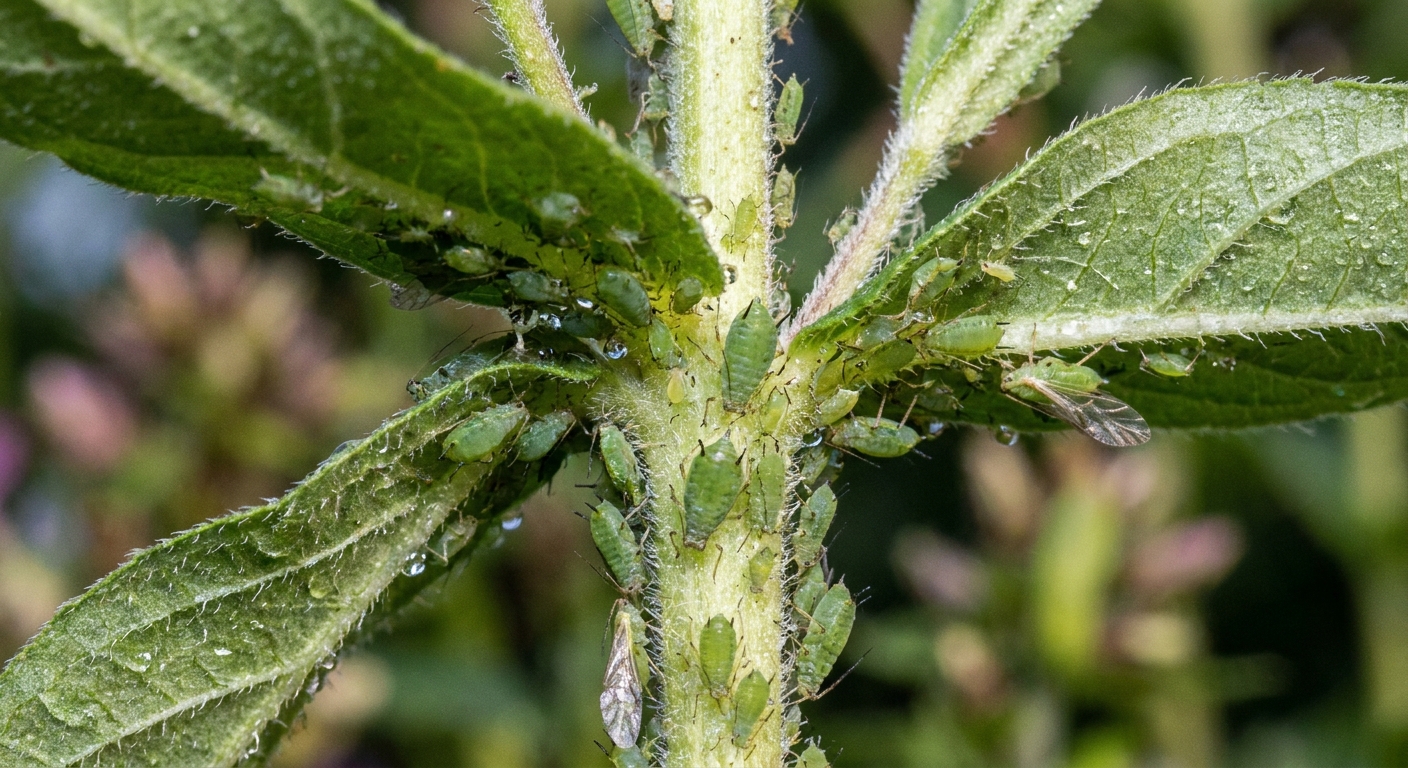
Aphids (roses, phlox, milkweed, asters, delphinium)
- Best first choice: Insecticidal soap, because it can drop aphid numbers quickly when you spray the clusters directly, including undersides of tender tips.
- Neem role: Useful if you keep seeing re-infestation and want to slow population rebound. Apply early in the outbreak, and repeat as directed.
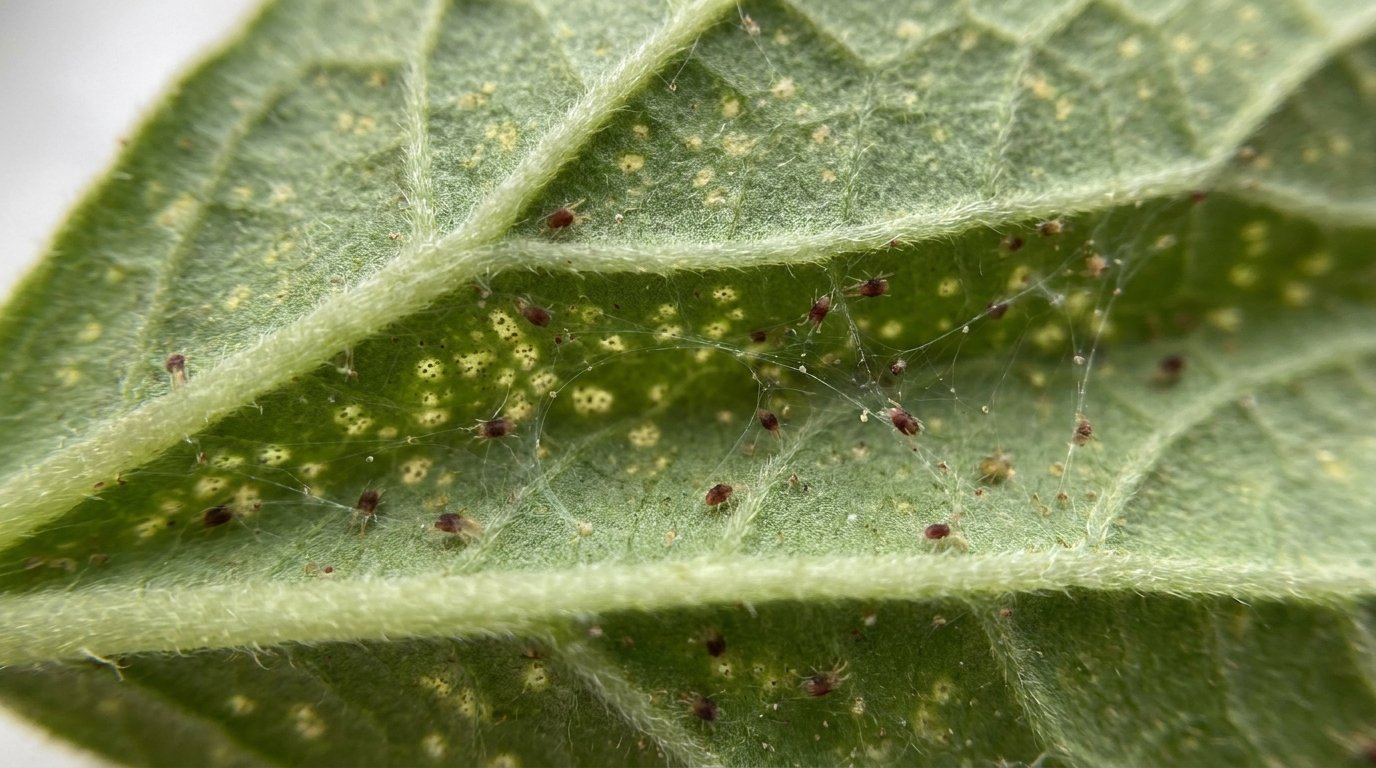
Spider mites (coneflower, bee balm, garden phlox, daylily in hot dry spells)
- Often helpful: Insecticidal soap, plus repeated sprays and a strong water rinse in between. Mites demand persistence.
- Also common: Horticultural oils can be comparable or even better when applied correctly, but they come with more heat and stress risk. If your “neem” is mostly oil, think of it in this category.
- Neem role: Can suppress mites, but results vary. Avoid oil-based sprays on drought-stressed plants and during hot weather to reduce burn risk.
Thrips (buds and petals on lilies, iris, yarrow, dahlias grown as tender perennials)
- Soap: It can kill thrips on contact, but thrips love hiding inside buds and blooms, so coverage is the problem.
- Neem: Sometimes helpful for reducing feeding and development, especially early, but it still comes down to coverage.
- If thrips are wrecking blooms: This is one of the few times I consider stepping beyond neem and soap. In many gardens, spinosad is more effective for thrips when used according to the label. Use extra pollinator caution and avoid spraying open flowers.
Whiteflies (more common on nearby annuals, but they wander to perennials)
- Soap: Very effective on nymphs on the undersides of leaves when you spray thoroughly and repeat.
- Neem: Helpful as a follow-up for ongoing pressure, especially if you are treating several nearby host plants.
Mealybugs and soft scale (hardy hibiscus, some salvias, indoor-overwintered plants moved outside)
- Soap: Can work on crawlers and exposed mealybugs, but heavy infestations often need multiple rounds and physical removal.
- Neem: Can suppress crawlers and reduce feeding, but thick waxy coatings can limit contact. A cotton swab with alcohol for clusters plus a spray program is often the most realistic plan.
Leafhoppers (echinacea, salvia, asters)
- Soap: Limited, because leafhoppers are quick and not always easy to hit directly.
- Neem: Can reduce feeding for some sucking insects, but results vary. For leafhoppers, I focus more on plant vigor, removing heavily damaged leaves, and using row cover early when practical.
Japanese beetles, earwigs, slugs
Neither neem nor insecticidal soap is a satisfying solution for these bigger chewers.
- Better strategies: hand-picking into soapy water, beetle bags placed away from beds, physical barriers, iron phosphate bait for slugs, and habitat tweaks (mulch management and hiding spots for earwigs).
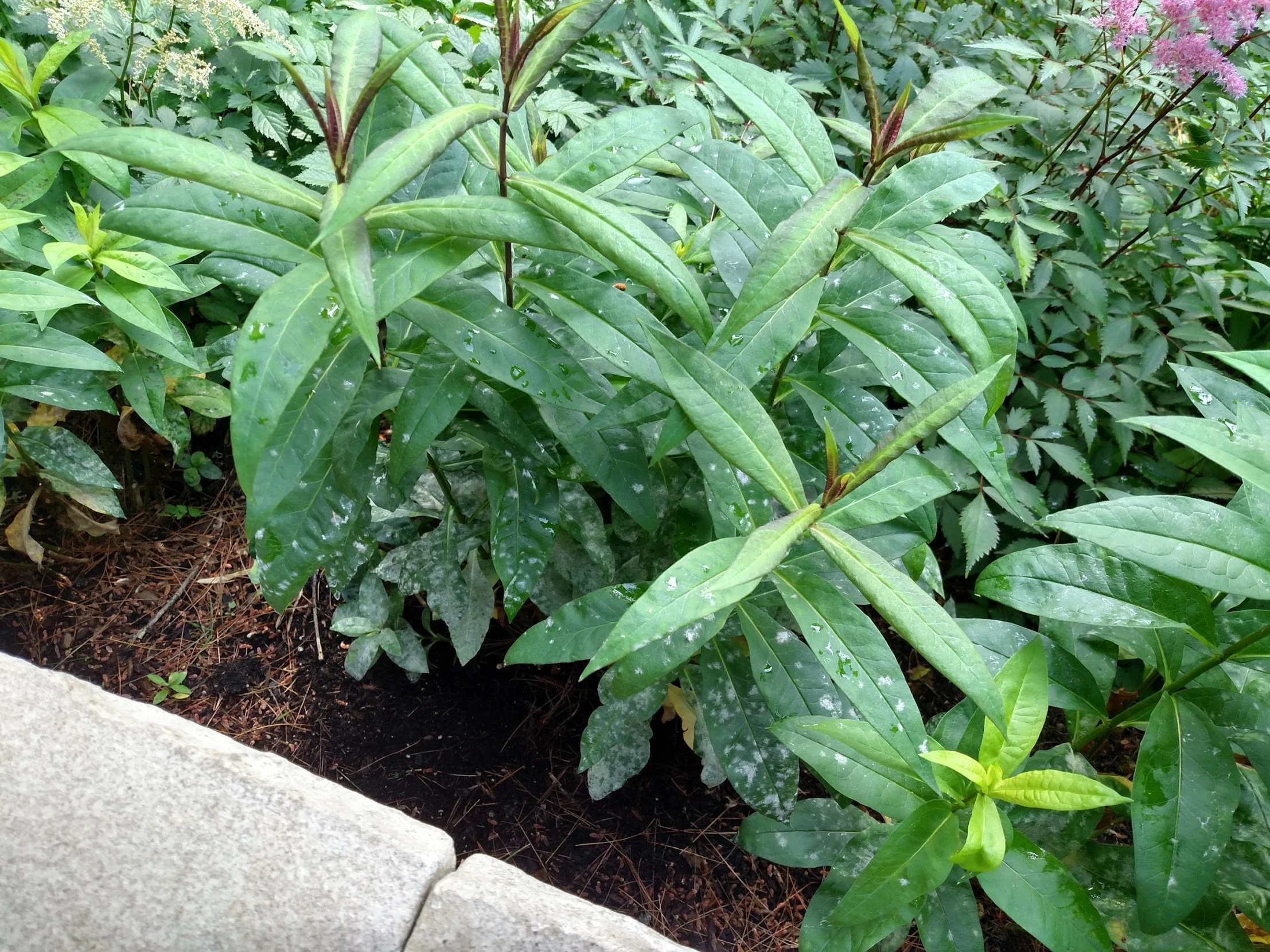
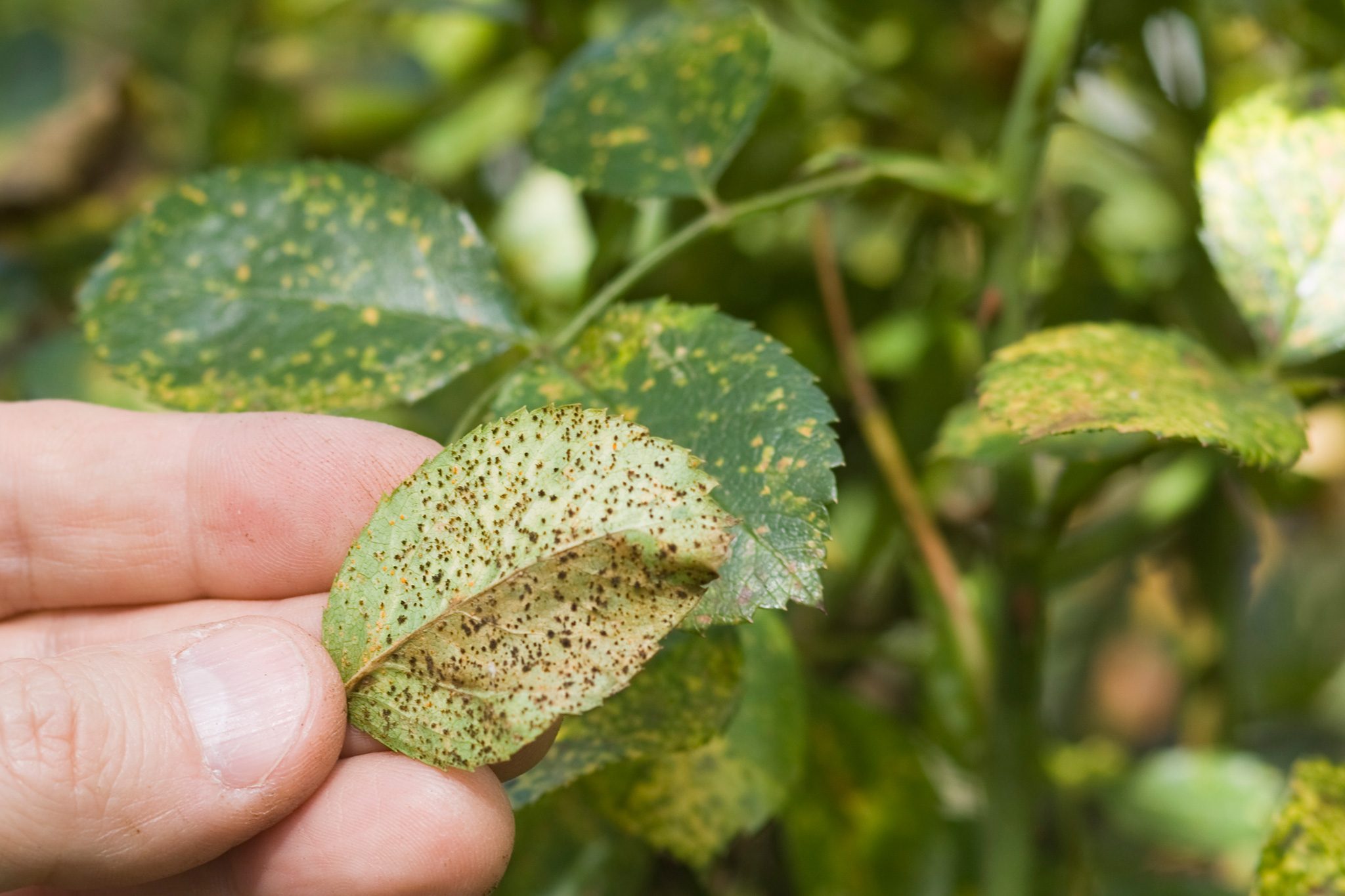
Fungal leaf issues (powdery mildew, black spot)
This is where neem sometimes gets chosen for the wrong reason.
- Insecticidal soap: Not a fungicide.
- Neem products: Some are labeled for certain fungal diseases as a protectant, and performance varies by formulation, timing, and conditions. They tend to work best preventatively and with careful timing, plus the basics (sun, spacing, airflow, watering at the soil line). Once a plant is heavily infected, removing infected leaves and improving growing conditions often matters more than any spray.
When neem is better
- You want ongoing pressure, not just a quick knockdown. Neem products with azadirachtin can help slow repeat cycles if you reapply consistently.
- You are treating early. I prefer neem on leafy growth and developing buds rather than open petals.
- You are also trying to protect foliage from recurring mildew (where labeled). Think prevention, not rescue.
My personal neem sweet spot: early season on leafy perennials that reliably get aphids or mildew, before hot weather and before peak bloom.
When soap is better
- You can see the pests and spray them directly. Soap shines when you can drench aphid clusters, whitefly nymphs, and tender new growth where pests gather.
- You want minimal residue. Once dry, soap leaves little lasting effect and typically less of a visible film.
- You are working in warm weather and want a bit more safety margin. Soap can still cause burn, but oils tend to be riskier in heat and on drought-stressed plants.
My personal soap sweet spot: surprise aphids on flower stems, especially right before guests come over and I want quick improvement without a lingering sheen.
How to apply safely
Phytotoxicity is just a fancy word for “the spray burned your plant.” It can look like bleached spots, crispy edges, stippling that gets worse after spraying, or petals that brown and drop faster than usual.
General rules
- Spray in the cool part of the day. Early morning or early evening is safest. Avoid full sun applications.
- Avoid spraying stressed plants. If your perennials are wilting, newly transplanted, or drought-stressed, water first and wait a day.
- Do a small test first. Spray a few leaves, wait 24 to 48 hours, then proceed if all looks normal.
- Use label rates, not “a little extra for luck.” Overconcentration is a common cause of burn.
- Get coverage, especially undersides. If you only mist the top, you are mostly watering the problem.
- Avoid spraying open blooms unless you truly need to. Petals stain and bruise easily, and pollinators visit blooms. Target foliage and stems where pests are active.
- Let sprays dry before overhead watering. Rain or sprinklers can reduce effectiveness for both products. If you can, keep irrigation at the soil line around spray day.
Extra cautions for neem
- Heat risk is real. Many labels caution against applying oils in high heat or intense sun. A common rule of thumb is to avoid oil sprays when the day is headed much above the mid-80s Fahrenheit, but your product label should be your guide.
- Mix well and keep mixing. Neem needs thorough emulsification. Shake often during application so the concentration stays consistent.
- Watch tender plants. Some perennials are more sensitive to oils, especially those with fine hairs or delicate new growth.
Extra cautions for insecticidal soap
- Hard water can reduce effectiveness. If your water is very hard, you may see less control. Distilled water can improve consistency for small batches.
- Do not let it dry too fast. Soap works while wet. Spray until the pests are coated, not just lightly misted.
- Rinse if you overdid it. If you accidentally applied in brighter sun than planned, a gentle rinse later the same day can reduce plant stress.
Do not mix neem and soap unless the label says you can
Gardeners sometimes combine them thinking it is “double strength.” In reality, mixing can increase the chance of leaf burn. If you want to alternate, space applications a few days apart and watch the plant response.
Timing and reapply
Insecticidal soap
- Initial knockdown: Spray thoroughly, then repeat in 4 to 7 days.
- Heavy infestations: You may need 2 to 3 rounds, sometimes weekly, because new pests hatch and move in.
Neem
- Early intervention: Often applied every 7 to 14 days depending on the label and pressure.
- After rain or overhead watering: Expect to reapply, since coverage matters for both products.
If you spray once and walk away, both sprays will disappoint you. Consistency is the not-so-glamorous secret.
Plant sensitivity notes
Every garden has that one plant that acts like it is allergic to everything. These are not strict rules, but they match what I have seen in my own beds and what many gardeners report.
- Fuzzy leaves (like lamb’s ear): test carefully before using oils. Trapped oil can lead to spotting.
- Blue-gray and waxy foliage (some sedums and certain salvias): can show cosmetic spotting from sprays. Test first.
- Ferny or very delicate foliage (some yarrow cultivars, some astilbe): avoid heavy applications and spray in cool conditions only.
- Roses: soap is often a safer first step for aphids. Neem can be useful for repeat issues, but avoid spraying in heat and avoid coating open blooms.
Decision guide
Choose insecticidal soap if
- You have visible soft-bodied pests right now.
- You can spray thoroughly and reach leaf undersides.
- Your perennials are already in bloom and you want minimal residue.
Choose neem if
- You are early in an outbreak and want to reduce repeat cycles.
- You are treating mostly foliage and buds, not open flowers.
- You have checked the label so you know whether it contains azadirachtin.
- You can spray in cool conditions and stick with a schedule.
If you are not sure
Start with a strong water spray (especially for aphids), then use insecticidal soap. Save neem for when you have recurring pressure, you have the right formulation, and the weather cooperates.
Pollinators and beneficials
I care deeply about keeping the garden lively with bees, hoverflies, and lady beetles, and sprays can harm helpers if we are careless. “Organic” does not mean harmless. Most of these products can affect beneficial insects if they are hit directly at application.
- Do not spray flowers that are actively being visited.
- Spray at dusk when possible. Pollinators are less active, and sprays have time to dry.
- Target the infestation, not the whole bed. Spot treat the affected plant or section.
- Leave some pests as food. A few aphids can support beneficial populations that do free pest control for you.
Common mistakes
- Spraying in midday sun. This is the fastest road to leaf scorch, especially with oils.
- Spraying once and expecting it to last. Organic sprays typically require follow-up.
- Missing the undersides of leaves. That is where the action is.
- Using neem on heat-stressed plants. The plant is already struggling and the oil can push it over the edge.
- Ignoring ants. Ants farm aphids. If you have ants running up stems, consider sticky barriers or managing nearby nests.
What if neither works?
If you have sprayed carefully, repeated on schedule, and you are still losing the battle, I take it as a sign to change tactics, not to double the dose.
- Consider horticultural oil (if you were using soap) for certain pests like mites and scale crawlers, but follow heat and plant-sensitivity rules closely.
- Consider spinosad for thrips (and sometimes certain leaf-chewing pests), where labeled and permitted. Keep it off open blooms and treat at dusk.
- For caterpillars: Bt products can be a better fit than neem or soap when the label matches the caterpillar and host plant.
- For serious scale: pruning out heavily infested stems, improving plant vigor, and, in extreme cases, using a labeled systemic may be the realistic option. If you go that route, read pollinator precautions carefully and avoid using systemics on pollinator-attractive plants in bloom.
FAQ
Can I spray neem on open flowers?
I avoid it when I can. Neem can leave a film, spot petals, and it is harder to keep it off visiting pollinators. If you must treat a pest that is damaging blooms, spray at dusk and aim for foliage and stems rather than directly saturating petals.
Is insecticidal soap safe for buds?
Usually safer than oils, but buds can still spot. Use the lowest effective rate, spray in cool conditions, and test on a small area first if the plant is a prized bloomer.
Why did my leaves turn brown after spraying?
The most common reasons are heat plus sun exposure after spraying, too-strong mixing, spraying a drought-stressed plant, or using an oil-based product on a sensitive plant. Rinse foliage gently, remove badly damaged leaves, and wait for healthy new growth before trying again with a tested, lighter approach.
What about homemade dish soap sprays?
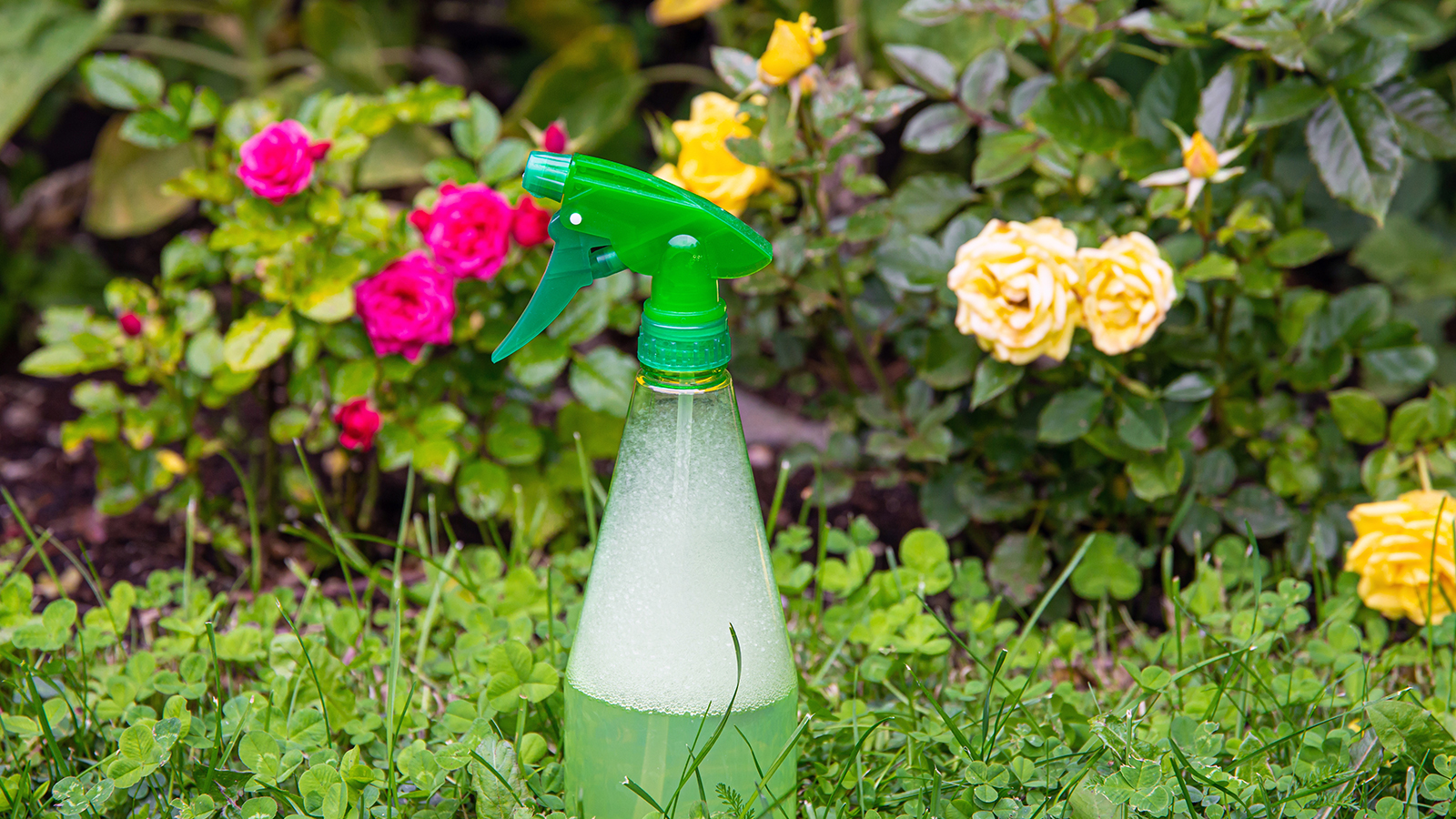
I skip them on perennials. Dish soaps and degreasers are not the same as true insecticidal soap and can be harsher on leaf tissue. If you want soap control, buy a product labeled as insecticidal soap and follow the directions.
My go-to plan
If aphids or mites keep returning, I use a layered plan rather than escalating spray strength:
- Step 1: Blast with water to knock pests off (especially aphids).
- Step 2: Insecticidal soap, thorough coverage, repeat in 5 to 7 days.
- Step 3: If pressure continues and weather is mild, consider neem on foliage and developing growth, following label intervals and confirming whether your product contains azadirachtin.
- Step 4: Prune and dispose of the worst-infested tips, and improve airflow and watering habits so plants can outgrow damage.
Perennial gardening rewards patience. The goal is not perfection. It is keeping plants healthy enough that they bloom beautifully and come back strong next year, pests and all.