
Aphids have a knack for showing up right when your perennials are gearing up to bloom. One day the buds look perfect, and the next you notice curled new growth, sticky leaves, and clusters of tiny pear-shaped insects tucked along stems like they own the place.
The good news is you can get aphids under control without turning your garden into a no-fly zone for bees, butterflies, and all the other helpful visitors. The trick is to start with the gentlest methods, aim your treatments where the aphids actually are, and spray at times when pollinators are least active.
First, make sure it's really aphids
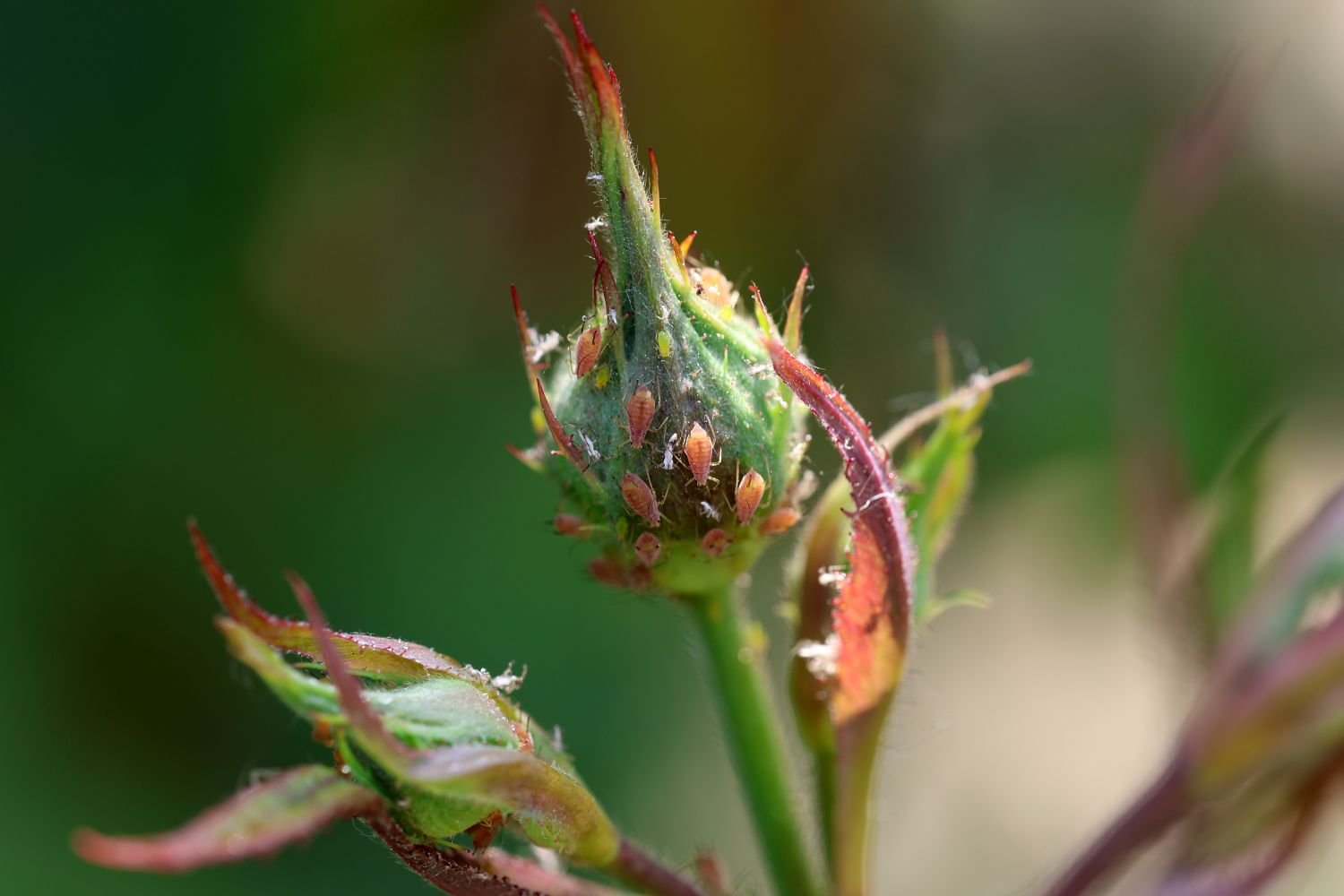
Aphids are small, soft-bodied insects that gather in groups, especially on tender new growth, flower buds, and the undersides of leaves. You'll often see:
- Clusters of green, black, brown, or pink insects on stems or buds
- Curled or puckered new leaves, especially at shoot tips
- Sticky honeydew on leaves or nearby surfaces
- Ants “farming” aphids and running up and down stems
- Sooty mold, a dark film that can grow on honeydew later on
If you see a few tiny insects moving solo, you might be looking at harmless springtails or even tiny predators. Aphids tend to group up and feed in place.
Pollinator-friendly game plan
When I'm dealing with aphids on perennials, I use a simple ladder of response. I climb only as high as I need to. Most infestations fold quickly if you catch them early.
- Water blast
- Hand removal and pruning
- Protect beneficial insects
- Targeted insecticidal soap (lower-risk when used correctly)
- Repeat and monitor
Step 1: Knock them off with water
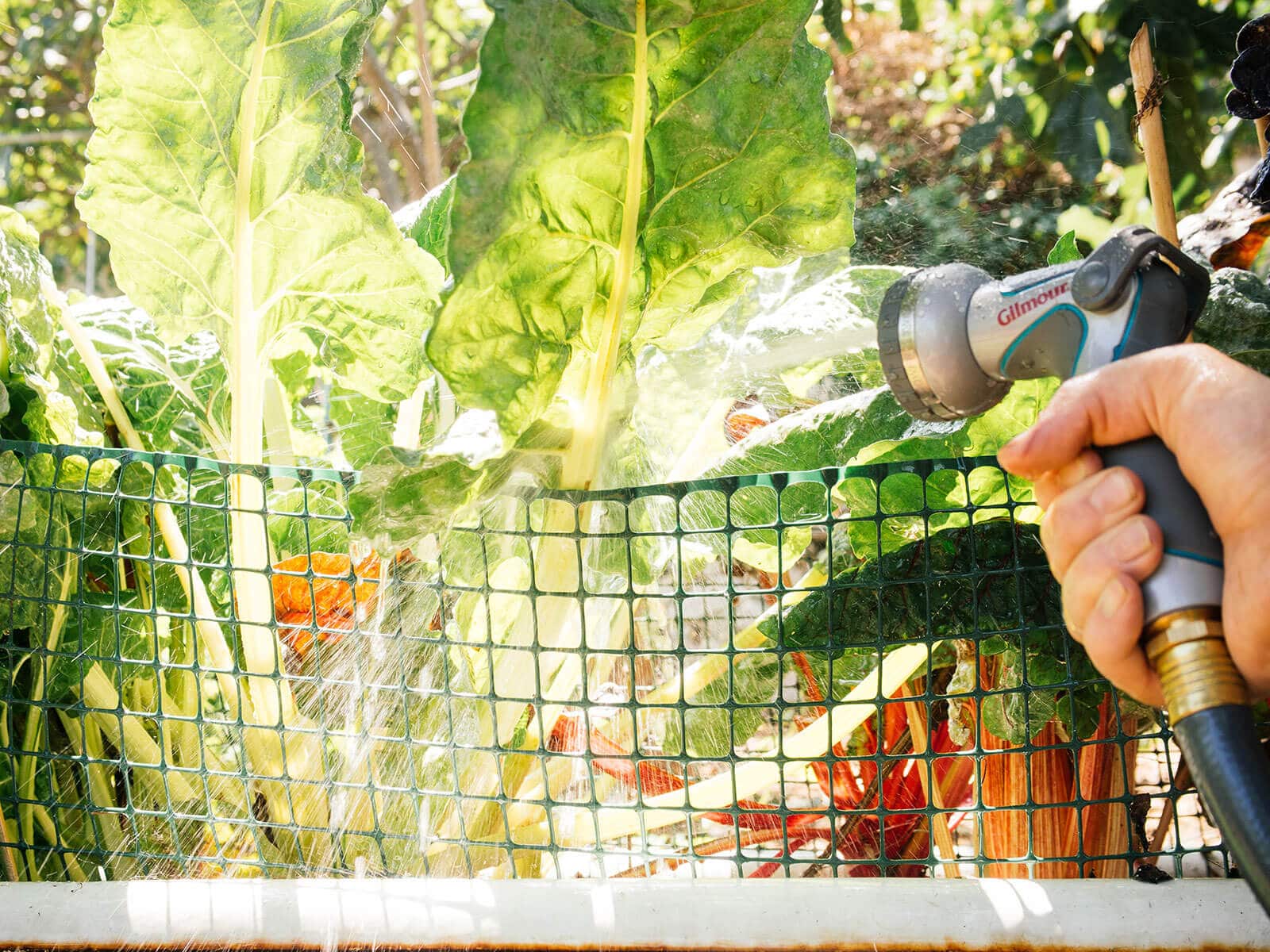
This is my favorite first move because it's fast, chemical-free, and surprisingly effective. A hard spray dislodges aphids and disrupts feeding, and many won't return immediately. A couple days of repeat sprays can keep numbers down until predators catch up.
How to do it
- Use a hose with a spray nozzle set to a strong shower (or a narrow stream if the plant can take it).
- Aim from below to reach undersides of leaves and along stems.
- Focus on stems, leaf joints, and buds where colonies hide.
- Spray in short bursts so you don't snap stems or shred petals.
- Avoid blasting open, pollen-heavy flowers when you can. Target the aphids instead.
- Repeat daily for 2 to 3 days if needed.
Best time: Early morning is ideal. Leaves dry quickly, and pollinators aren't as active yet.
Tip from my own beds: On plants with more delicate flower spikes (like salvia or delphinium), I brace the stem gently with one hand and spray with the other so I can be firm without bending everything over.
Step 2: Pinch, wipe, or prune
If the water blast leaves a few stubborn pockets, physical removal gets you ahead of the population curve.
Three quick options
- Pinch and squish: Run your fingers down an infested stem or bud cluster. It's not glamorous, but it works.
- Wipe: Use a damp paper towel or soft cloth to wipe colonies off stems.
- Prune: If a tip is heavily distorted and packed with aphids, snip it off and discard it. This is especially helpful on plants with lots of tender tips, like asters and garden phlox early in the season.
Drop prunings into a bag or bucket. If you toss them on the soil surface, aphids can crawl back up or hitch a ride on another stem.
One expectation check: Leaves and buds that are already curled or puckered may not snap back overnight, even after the aphids are gone. What you're looking for is clean, healthy new growth going forward.
Step 3: Protect the helpers
Aphids are a snack for lots of beneficial insects, and in a perennial garden you often already have the cavalry nearby.
Beneficials to watch for
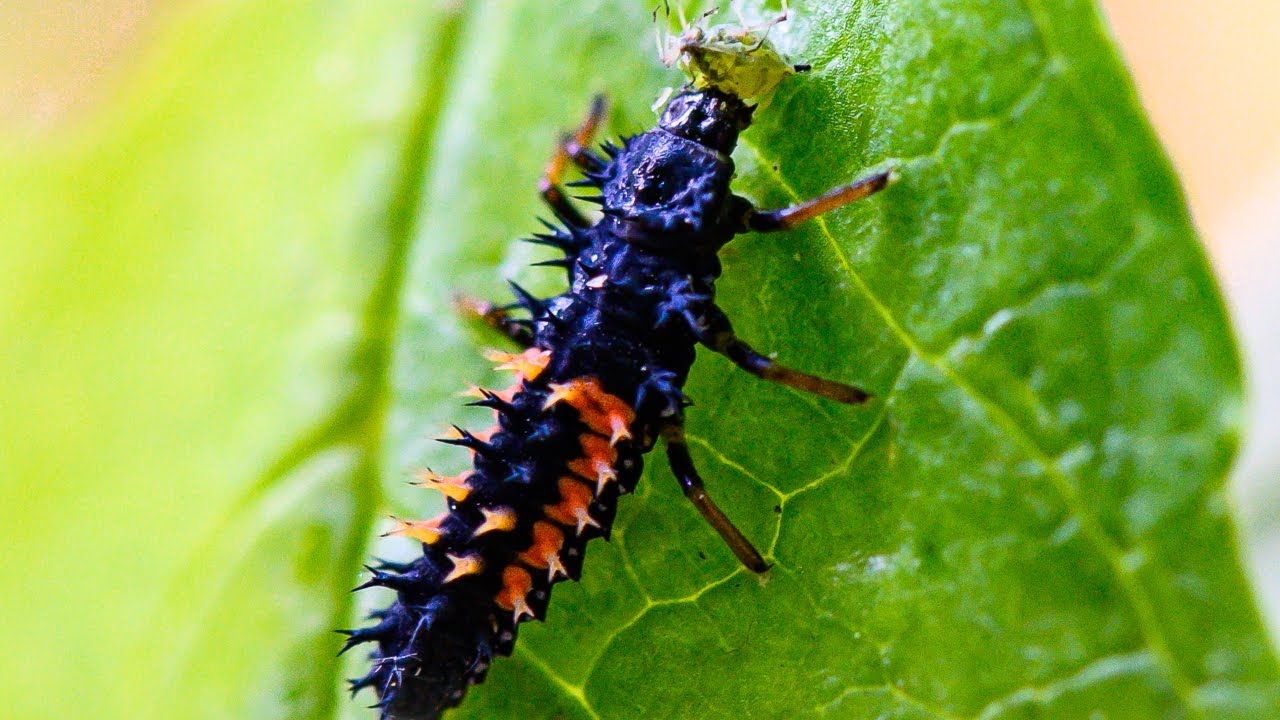
- Lady beetles (adults and their alligator-looking larvae)
- Lacewing larvae (tiny, fierce, and easy to miss)
- Syrphid fly larvae (hoverflies as adults, aphid-eaters as babies)
- Tiny parasitic wasps (they leave behind tan “mummy” aphids)
If you spot lots of larvae and aphid mummies, consider sticking with water blasts and hand removal for a week before reaching for soap. Often the beneficials catch up and the problem resolves naturally.
One important note: Ants protect aphids because they like the honeydew. If you're seeing a steady ant highway, it's harder to get lasting control until you disrupt that traffic (more on that below).
Step 4: Use insecticidal soap carefully
When aphids keep bouncing back, or you're seeing buds stunted and sticky despite water blasts, insecticidal soap is my next step. It's generally pollinator-friendlier than broad-spectrum insecticides because it has low residual activity, but it can still kill bees and beneficial insects if you spray them directly.
Why insecticidal soap works
Soap sprays kill soft-bodied insects by breaking down their outer membranes. It has to contact the aphids directly. Once it dries, it has very little residual effect, which is part of why careful spot-treating can work well around a busy garden.
How to apply it with pollinators in mind
- Spray at dusk or very early morning when bees aren't foraging.
- Don't spray open blooms if you can avoid it. Aim for stems, leaf undersides, and bud clusters where aphids are feeding.
- Spot-treat instead of coating the whole bed.
- Follow the label exactly for dilution and frequency. More isn't better with soaps.
- Test first on a small section of the plant, especially in heat or bright sun.
Weather matters: Avoid spraying when temperatures are high (many labels warn against use above about 85°F/29°C) or when plants are drought-stressed. Soap plus heat can cause leaf burn, so check your specific label and use good judgment.
What to look for on the label
Choose a true insecticidal soap, not a household detergent. Many “insecticidal soap” products use potassium salts of fatty acids. These are designed for plant use and are less likely to damage foliage when used correctly.
If you only remember one rule: spray the aphids, not the flowers. Targeting is what keeps this method lower-risk for pollinators.
Step 5: Repeat, then maintain
Aphids reproduce quickly, so follow-up is part of the plan, not a sign you failed.
- Recheck plants in 24 to 48 hours.
- Hit any survivors with another water blast.
- If you used soap, you may need a second application in 5 to 7 days, depending on the label and what you see.
- Keep watching tender new growth for the next two weeks.
Once you're down to a few stragglers, I recommend going back to water sprays and hand removal. That way you're less likely to knock back the beneficial insects that are now helping.
Quick honeydew fix: After you get the aphids under control, rinse sticky leaves with plain water. Sooty mold is mostly cosmetic and usually fades once the honeydew stops.
Dealing with ants
If ants are tending aphids, they'll literally defend them from predators. You can blast aphids off all week and still feel like you're losing the battle.
What helps
- Knock aphids back first with water or soap, then deal with ants.
- Remove bridges like tall weeds or touching stems that give ants easy access.
- Use sticky barriers on stakes or supports near (not directly on) delicate perennial stems, following product instructions.
- Place ant baits along trails away from blooms, like at the base of the bed, along a fence line, or near the nest area. Keep bait off plant surfaces and out of reach of kids and pets.
Once ant pressure drops, you'll usually notice predators showing up more often, and aphid outbreaks become shorter and less dramatic.
Perennials aphids love
Aphids can show up anywhere, but I see them most often on lush, fast-growing perennials and plants pushing lots of new buds.
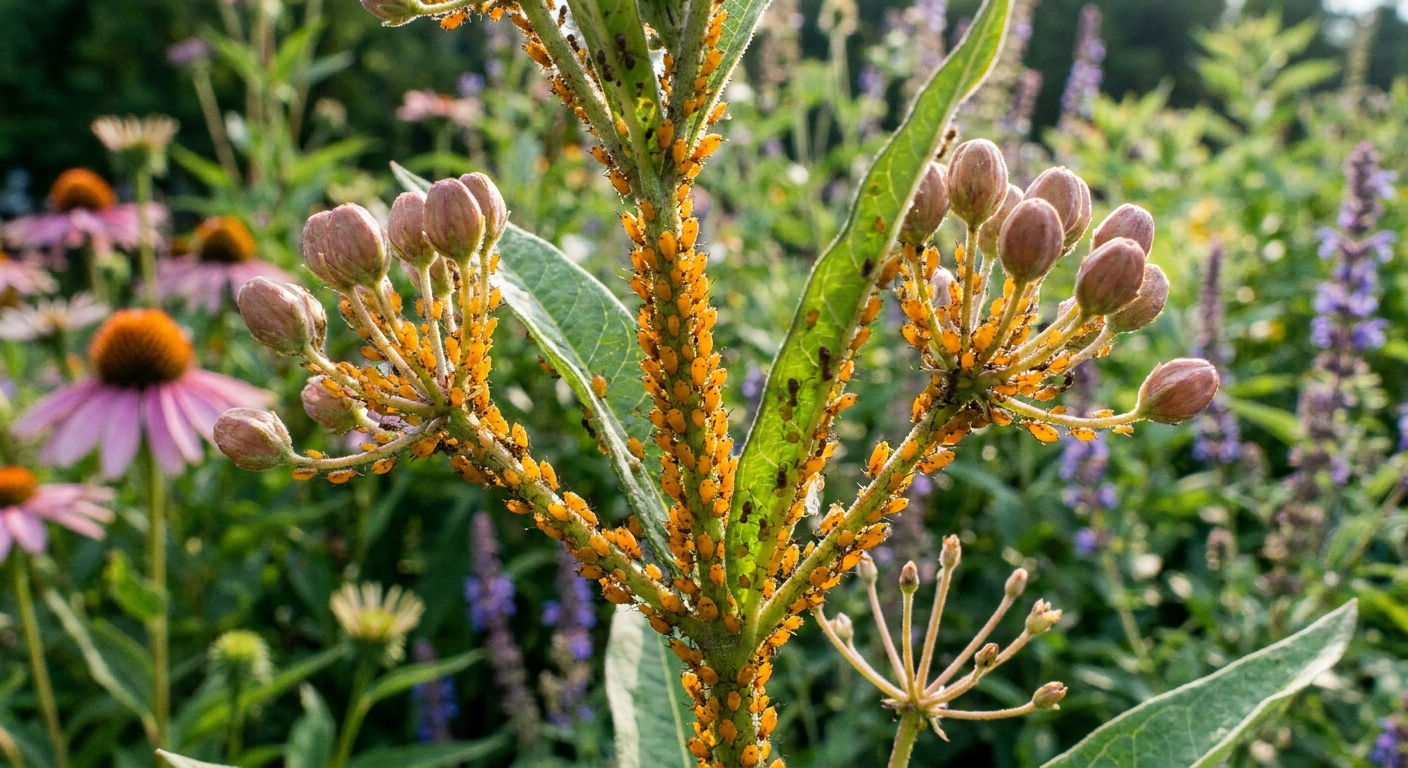
- Milkweed: check stems and flower clusters for orange oleander aphids
- Garden phlox: inspect soft shoot tips and undersides of new leaves
- Bee balm (Monarda): look along stems and in leaf joints
- Asters: check new growth early, then buds later
- Delphinium and lupine: inspect flower spikes and tender tips
- Roses (often grown with perennials): look at buds and curled new leaves
What not to do
It's tempting to reach for the strongest solution when you see sticky buds, but a few common moves can cause bigger problems than the aphids.
- Don't use systemic insecticides on flowering plants. These can move into pollen and nectar.
- Avoid broad-spectrum sprays that kill on contact but also wipe out lady beetles, lacewings, and other natural controls.
- Skip DIY dish soap mixes unless you truly know what you're doing. Many detergents strip leaf coatings and can burn foliage. Purpose-made insecticidal soaps are formulated for plants.
- Be cautious with other DIY sprays (like alcohol or essential oils). They can damage leaves and may still hit helpful insects on contact.
- Don't spray mid-day when bees are actively foraging.
- Don't over-fertilize with high nitrogen. It pushes soft, sappy growth that aphids love.
Prevention basics
I don't believe in aphid-proof gardens, but you can make outbreaks less frequent and less intense.
- Scout early: check tender tips and buds once or twice a week during rapid growth.
- Go easy on nitrogen: steady, moderate feeding keeps growth sturdier.
- Give plants some breathing room: good spacing and airflow reduce stress and make it easier to spot problems fast.
- Watch nearby plants: a heavily infested annual or weed can keep re-seeding your perennials.
FAQ
Will a water blast really solve an aphid infestation?
Often, yes, especially early on. Aphids feed in clusters and are easily dislodged. Two to three days of targeted spraying can drop numbers dramatically, and then beneficial insects usually mop up the rest.
Can I use neem oil instead of insecticidal soap?
Neem can affect a range of insects and can be riskier around beneficials if sprayed broadly. Neem oil can also burn foliage in heat or bright sun. If you use it, treat it like soap: spray at dusk or dawn, avoid open flowers, and spot-treat only. In my perennial beds, I reach for water and insecticidal soap first because they're simpler to target.
How do I know if I accidentally harmed pollinators?
The biggest risks are spraying open flowers during peak bee activity, or directly hitting bees and other beneficials with a contact spray. If you spray at dusk or dawn, avoid blooms, and follow the label, the risk is much lower.
Will aphids kill my perennials?
Established perennials rarely die from aphids alone, but heavy feeding can distort growth, reduce flowering, and weaken plants over time. Young plants and stressed plants suffer the most, so it's worth stepping in early.
A routine that works
If you want the simplest pollinator-friendly routine to keep in your back pocket, it's this: blast with water, prune the worst tips, then spot-treat with insecticidal soap only if colonies keep returning. Check again in a couple days and repeat as needed.
Perennial gardens are living little ecosystems. When we handle aphids with a light touch, we give the beneficial insects and pollinators room to do what they do best. Over time, the whole bed gets steadier and easier to care for.