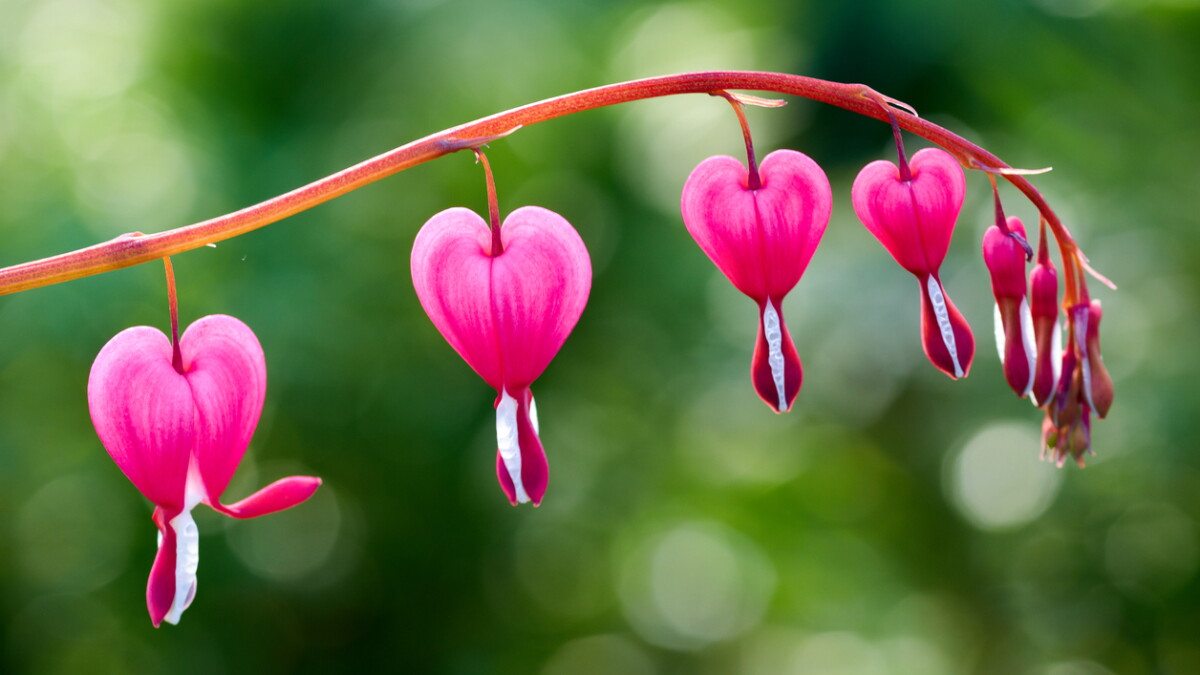

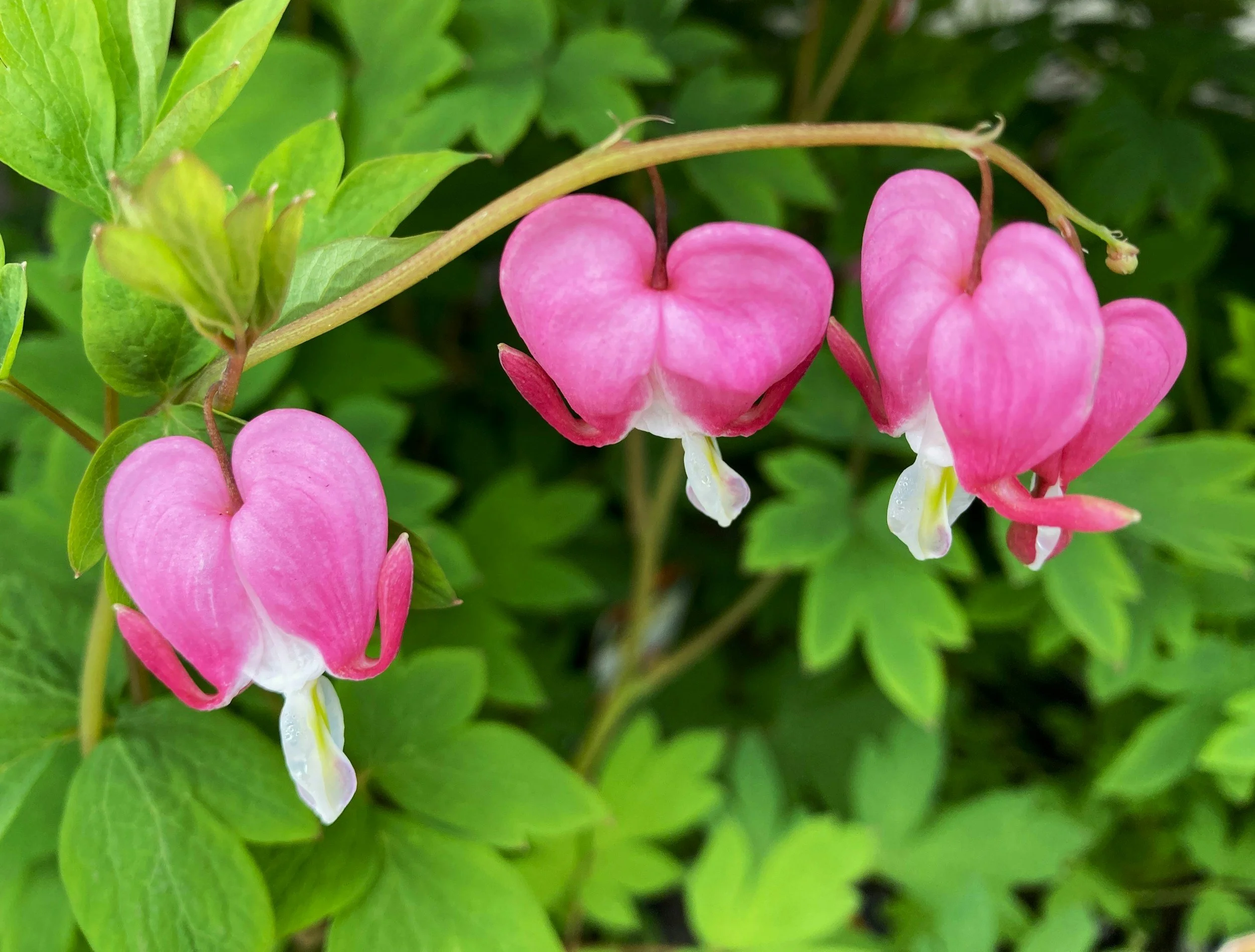
Bleeding heart has a special kind of spring magic. One week your shade bed is mostly sleepy mulch and emerging hosta noses, and the next you have arching stems strung with pink heart-shaped blooms like tiny lanterns. It is also one of the easiest “woodland look” perennials to grow once you understand two quirks: it hates soggy soil, and it often disappears in summer.
This guide walks you through planting Dicentra (commonly old-fashioned bleeding heart and its cousins), caring for it through bloom season, and staying calm and confident when it slips into dormancy.
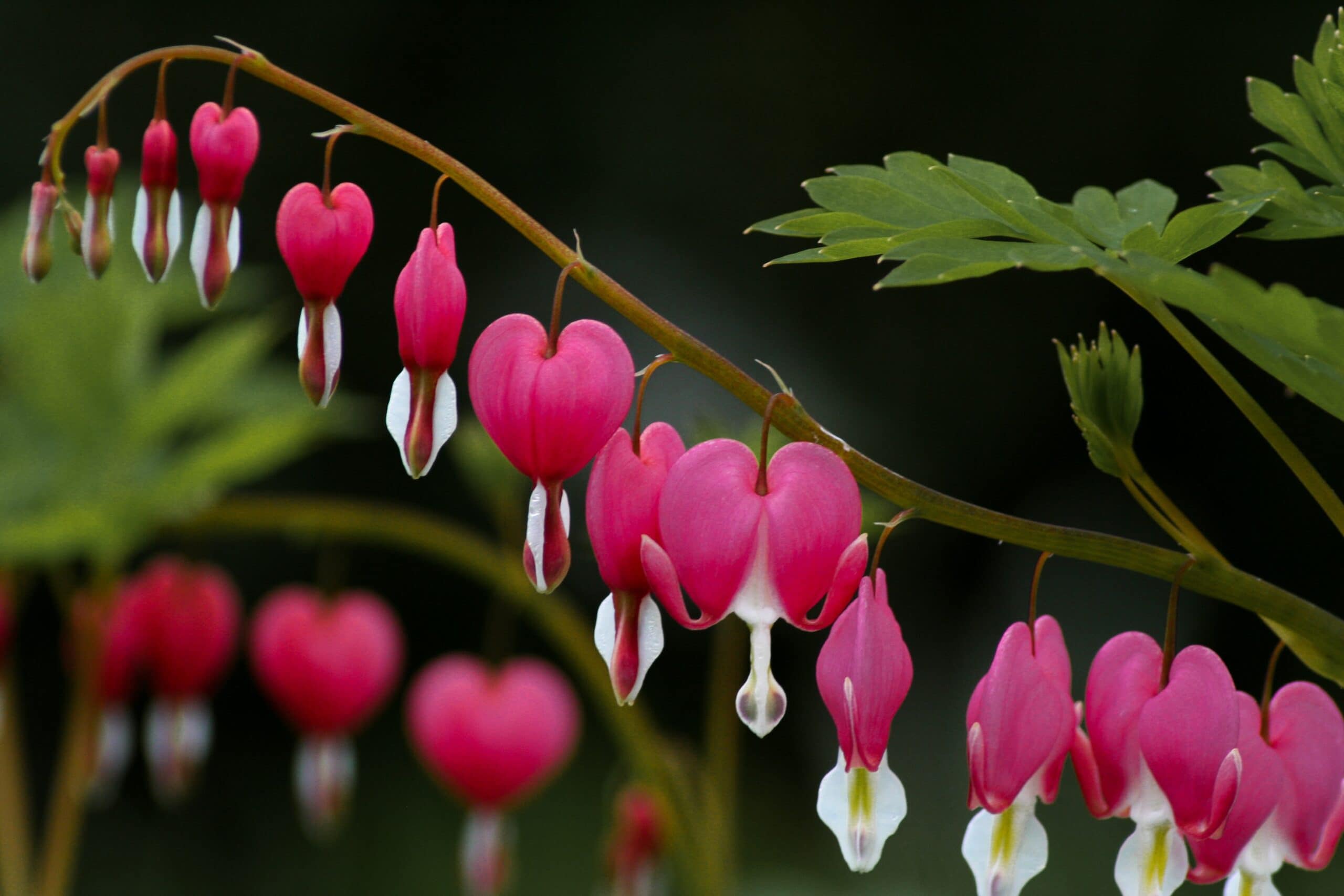
Meet Dicentra: often spring-ephemeral
Most gardeners mean old-fashioned bleeding heart when they say “bleeding heart,” traditionally labeled Dicentra spectabilis and now often sold as Lamprocapnos spectabilis. Both names are still widely used in the nursery trade, so do not be surprised to see either on a plant tag.
You may also see fringed bleeding heart (often Dicentra eximia) and a few newer hybrids.
- Old-fashioned bleeding heart: Big, dramatic spring show in part shade, then it often goes dormant as summer heats up.
- Fringed bleeding heart: Finer foliage, typically smaller flowers, and it can keep going longer into summer if moisture is steady and heat is moderate.
Across the board, these plants read “delicate,” but they are surprisingly tough when their roots are kept cool, evenly moist, and well drained.
Bloom timing: Expect flowers in spring, often mid- to late spring depending on your climate.
Hardiness note: Old-fashioned bleeding heart is generally happiest in temperate climates and is commonly grown in USDA Zones 3 to 9. In hot summers, it may go dormant earlier, even with good care.
Is bleeding heart deer-resistant?
In my experience, bleeding heart is often deer-resistant, likely because the foliage contains bitter, irritating compounds. “Resistant” is the keyword, not “deer-proof.” In a hungry season, deer will sample almost anything, especially tender spring growth.
Simple deer-smart habits
- Protect new growth in early spring with a light barrier or repellent if deer pressure is high in your area.
- Plant near other resistant companions like ferns, hellebores, pulmonaria, brunnera, and daffodils to make a less tempting buffet.
- Avoid heavy feeding. Extra-soft, lush growth is more appealing to browsers.
Where bleeding heart grows best
Light
Part shade to shade is the sweet spot. Morning sun with afternoon shade is ideal in many gardens. In cooler climates, old-fashioned bleeding heart can tolerate more sun if soil moisture is consistent, but hot afternoon sun will shorten bloom and encourage earlier dieback.
Soil
Think “woodland floor,” not “wet woods.” Bleeding heart likes humus-rich soil that drains well. The number one enemy is standing water around the crown and roots.
Moisture
Aim for even moisture in spring. Once the plant naturally yellows and retreats, you can ease up on watering.
Step-by-step planting
If you have ever tucked a plant into a shady corner and watched it sulk, you are not alone. Shade gardening is all about soil preparation. Here is the approach that has given me the most reliable Dicentra clumps.
1) Choose a cool spot that drains
Look for dappled light, protection from hot afternoon sun, and soil that does not hold puddles after rain. If your shade bed is low and stays wet, plan to amend heavily or choose a slightly higher spot.
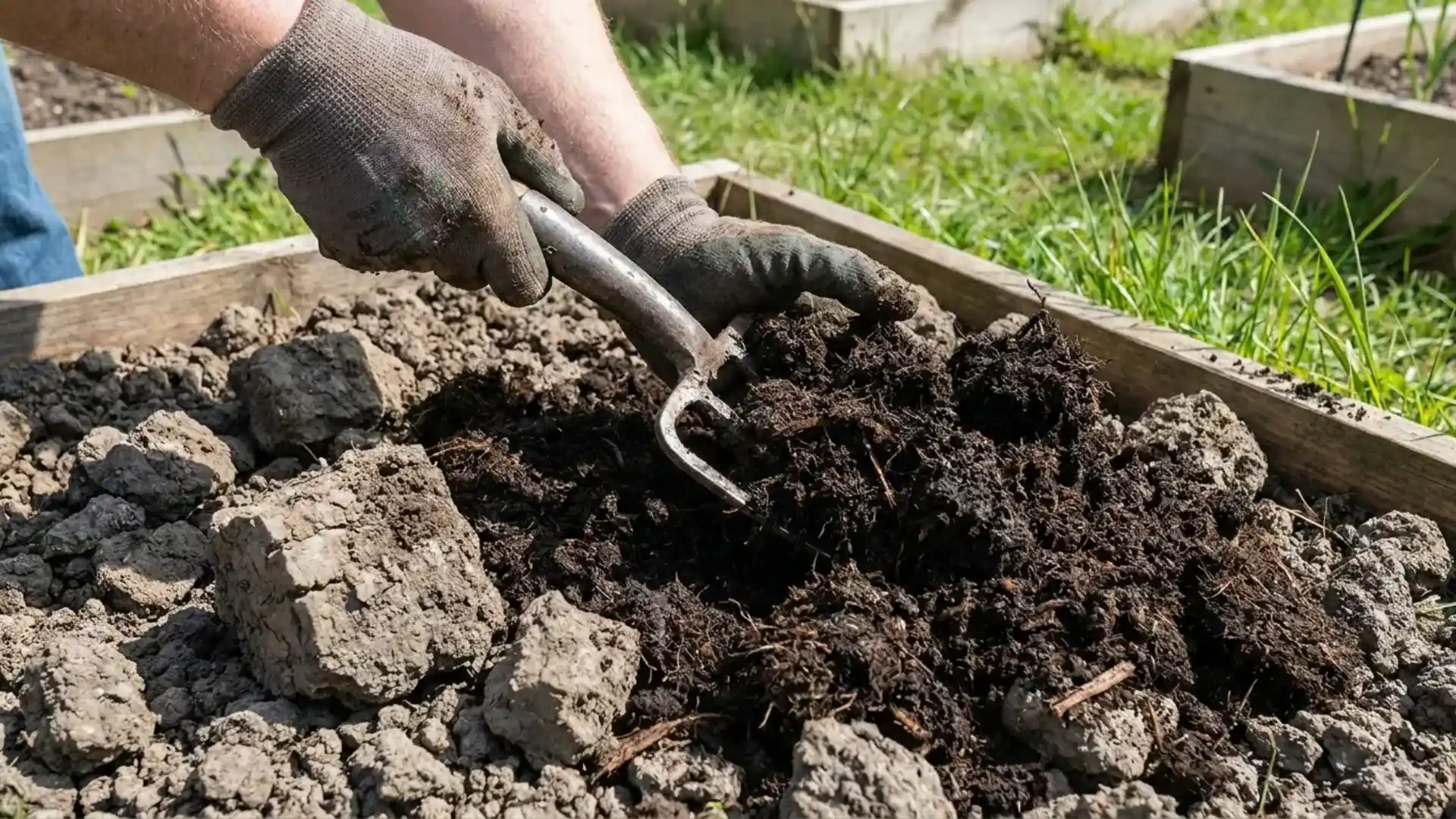
2) Loosen the soil wider than you think
Bleeding heart appreciates a soft landing. Widen the planting area to 12 to 18 inches across and loosen it at least 10 to 12 inches deep for each plant, especially in compacted clay.
3) Add organic matter, plus structure if needed
- Work in compost or leaf mold to mimic woodland soil.
- If your soil is heavy, blend in pine fines or shredded bark to improve structure and drainage.
Avoid creating a “bathtub” effect in clay by digging a deep hole and filling only with fluffy compost. Instead, amend the broader area so water can move through evenly.
4) Plant at the right depth
Set the plant so the crown sits at the same level it was growing in the pot. Planting too deep can invite crown rot, especially in wet springs.
5) Water in, then mulch lightly
Water thoroughly at planting to settle soil around the roots. Then add 1 to 2 inches of shredded leaves or fine bark mulch, keeping mulch pulled back from the crown.
6) Give it room
Old-fashioned bleeding heart can become a generous mound. A spacing of 24 to 30 inches is not excessive, and good airflow helps prevent problems in humid gardens.
Watering and feeding
Watering rhythm
- Spring (active growth and bloom): Water when the top inch or two of soil is dry. In shade, the surface can feel dry while the soil underneath is still moist, so poke a finger down a little deeper before you water. In many gardens this works out to a deep soak about once a week, more during windy dry spells.
- Early summer (transition): As flowers fade and the plant begins to yellow, gradually reduce watering.
- Summer dormancy: If the plant has fully disappeared, keep the area on the drier side unless nearby plants need water.
The goal is steady moisture while the plant is working hard in spring, followed by a gentle “rest” once it is naturally done for the year.
Fertilizer
Bleeding heart is not a heavy feeder. In most beds, a spring top-dressing of compost is plenty. If your soil is very lean, you can use a mild, balanced, slow-release fertilizer (something in the neighborhood of 5-5-5) in early spring, but keep it light. Too much nitrogen gives you floppy, overly lush growth.
Bloom care and support
Those arching stems are part of bleeding heart’s charm, but a hard rain can flatten them. If your plant tends to flop:
- Use a small peony ring or discreet hoop support early in the season while stems are short.
- Plant it near sturdy neighbors like ferns or brunnera that can provide gentle, natural support.
- Avoid heavy feeding, which can make stems weaker.
You can deadhead spent flowers for tidiness, but it is not required for plant health.
Summer dormancy: when it disappears
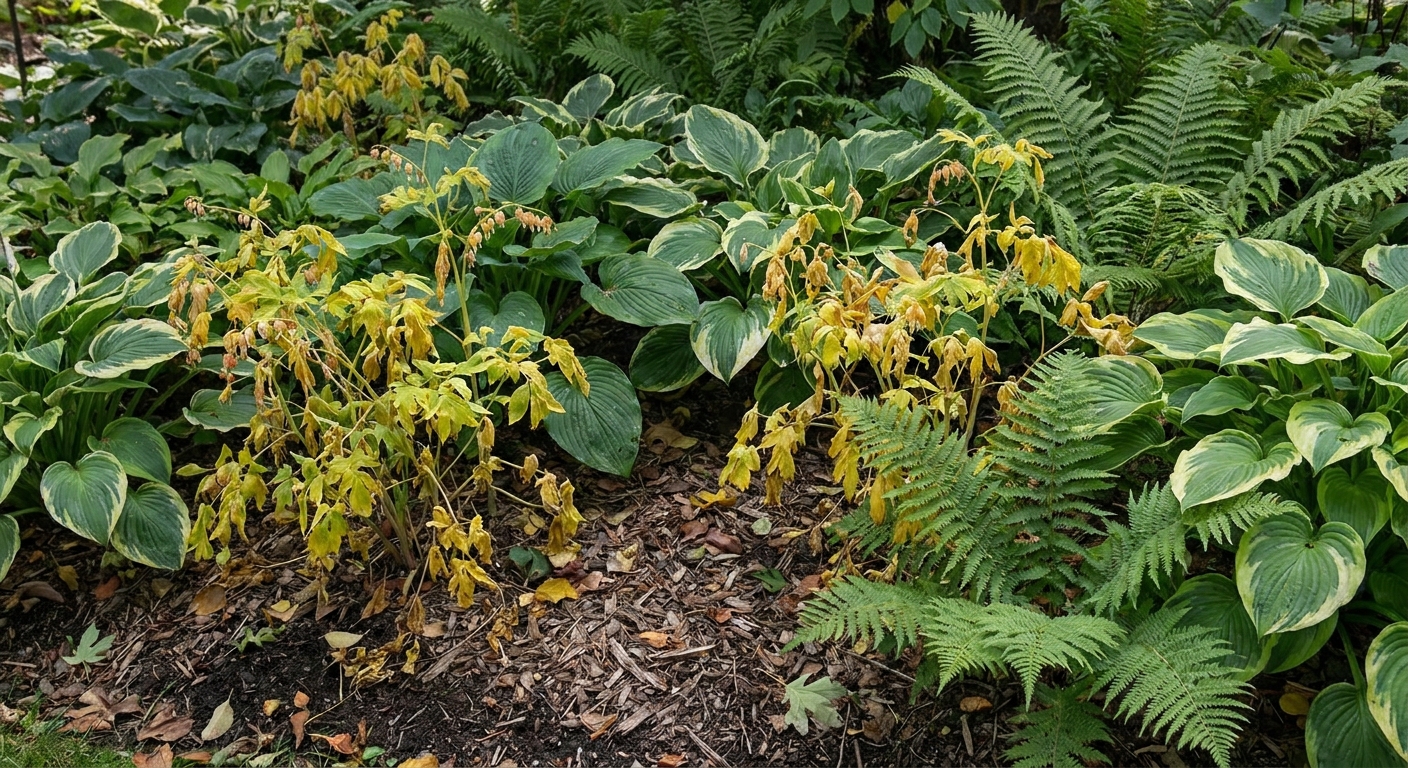
This is the moment that worries new growers most: the foliage yellows, thins, and then the whole plant seems to vanish. For old-fashioned bleeding heart, that is completely normal, especially once summer heat arrives.
What dormancy looks like
- Leaves fade from fresh green to yellow
- Stems flop and soften
- The plant collapses and dries back to the ground
What you should do
- Do not panic-water. Extra water in warm weather is a recipe for rot.
- Let the foliage die back naturally until it pulls away easily. Then cut stems to the ground.
- Mark the spot. I tuck in a small plant label or a simple stone so I do not accidentally dig there later.
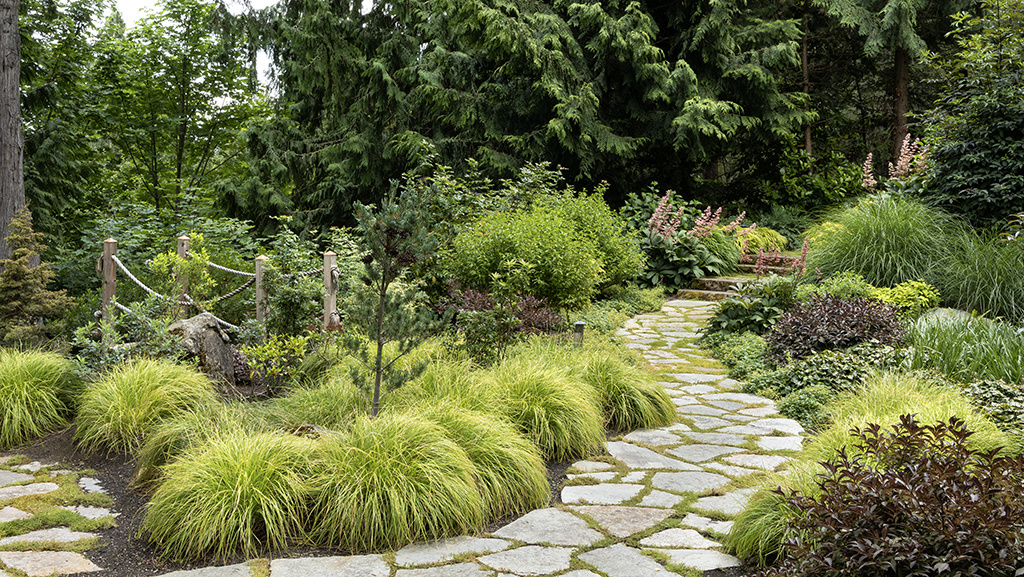
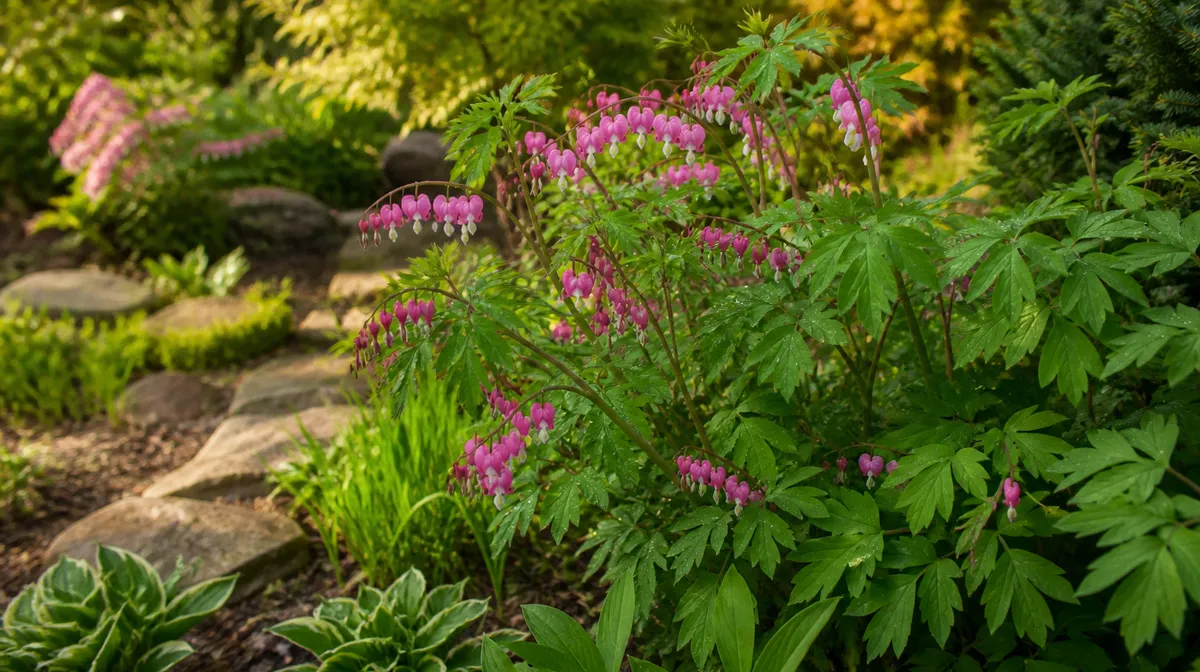
- Fill the gap on purpose. Plant companions that peak later so the bed stays full.
Perennials that hide the gap
- Hostas
- Ferns
- Astilbe
- Heuchera (coral bells)
- Brunnera
- Epimedium
- Japanese forest grass
Preventing rot
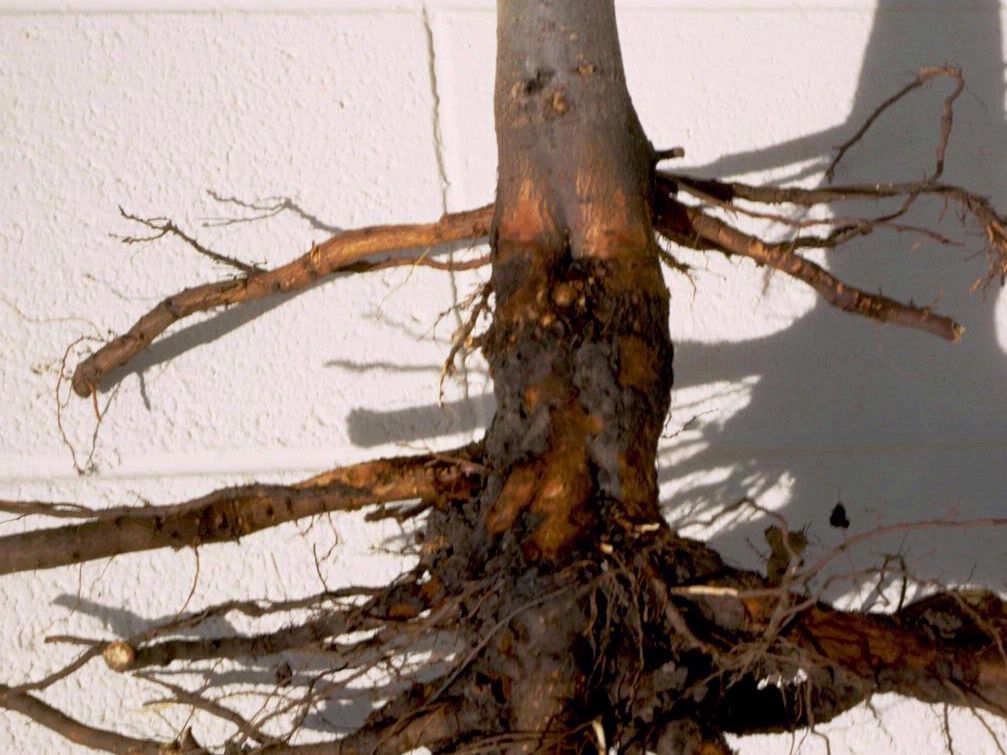
If bleeding heart fails, root or crown rot is usually the reason. Dicentra wants moisture, but it insists on oxygen around the roots. Here is how to keep that balance.
Know the risk factors
- Heavy clay that stays wet
- Low spots where water collects
- Overwatering in warm weather
- Mulch piled directly against the crown
- Dense shade with poor airflow plus consistently wet soil
Soil fixes that help
- Widen the amended area. Improve a broad section of soil, not just a single hole.
- Add structure, not just softness. Compost is great, but in clay you also want bark fines or similar material to keep pores open.
- Consider a slight grade change. Even a gentle mound of a few inches can improve drainage in a shade bed.
Water smarter
- Water at the base, not overhead, when possible.
- In spring, water deeply and less often rather than frequent light sprinkles.
- Once the plant yellows, taper off.
Early warning signs
Rot is sneaky. Watch for:
- Sudden collapse while leaves are still green
- Mushy stems at the crown
- A sour smell in the soil
- Blackened, soft roots if you lift the plant
If you suspect rot, the best path is usually to improve drainage before replanting, and to discard badly rotted material rather than composting it.
Dividing and transplanting
Bleeding heart does not need frequent division, but you can divide to share or to rejuvenate an older clump.
Best time
- Early spring as shoots are just emerging
- Early fall when temperatures cool and soil is still workable
How to divide
- Water the day before so roots are less stressed.
- Lift the clump carefully with a spade, giving a wide berth.
- Use a clean knife or spade to split into sections with several buds or shoots each.
- Replant promptly at the same depth in improved soil.
- Water in well, then keep evenly moist for a couple of weeks.
A gentle reminder from my own trial and error: divisions are more likely to fail when the soil stays wet and warm. If your summers are humid, spring division tends to be easier.
Common problems
No blooms
- Too much shade: Brighten the spot slightly if possible, especially for old-fashioned types.
- Too much nitrogen: Skip high-nitrogen fertilizers and stick to compost or a light, balanced feed.
- Plant is too young: Many perennials take a season to settle in.
Flopping stems
- Add a small support early.
- Reduce fertilizer, especially high nitrogen.
- Check that it is not stretching for light in deep shade.
Yellow leaves in spring
- Check soil moisture. Both drought and saturated roots can yellow foliage.
- Look at sun exposure. Hot midday sun can scorch and fade leaves.
Aphids
Aphids sometimes cluster on tender new growth. Usually a strong spray of water knocks them off, or you can pinch off the worst tips. I avoid harsh sprays in shade beds because beneficial insects and pollinators are often working the same area.
Slugs and snails
In damp shade, slugs and snails can nibble tender shoots. If you see ragged holes, set traps, hand-pick at dusk, and keep mulch from piling right against crowns where they like to hide.
Quick care checklist
- Light: Part shade, ideally morning sun and afternoon shade
- Soil: Rich, well-drained, woodland-style
- Water: Even moisture in spring, less once dormancy begins
- Mulch: Light layer, keep away from crown
- Summer: Expect dieback, mark the spot, let companions fill in
- Biggest threat: Root and crown rot from saturated soil
FAQ
When should I cut back bleeding heart?
Wait until the foliage yellows and dries back naturally. Then cut stems down to a couple of inches above soil level. If it is still green, it is still feeding the roots.
Will bleeding heart come back if it disappears in summer?
Yes, dormancy is normal for many Dicentra, especially old-fashioned bleeding heart. Mark the location and let it rest. It should return the following spring.
Can I grow bleeding heart in a container?
You can, but containers dry out and heat up faster, which can shorten bloom and stress the plant. If you try it, use a large pot with excellent drainage, keep it in bright shade, and watch moisture closely in spring. In cold climates, overwintering can be the tricky part because pots can freeze solid, so protect the container or move it to a sheltered spot where it stays colder than freezing but not brutally exposed.
Is bleeding heart poisonous?
Bleeding heart can be toxic if ingested by people or pets, and the sap can irritate skin for some gardeners. If you garden with curious toddlers or nibbling pets, place it where it is less accessible and wash up after handling if you are sensitive.
A final note
If you remember just one thing, make it this: bleeding heart loves spring moisture, but it does not forgive saturated soil. Give it rich, well-drained ground and a shady, cool spot, and it will reward you with one of the sweetest spring shows in the perennial world. And when it vanishes in summer, take that as a friendly reminder that gardens have seasons too.